Skip to content

Real answers from WarriorBabe's coaches

Ask WarriorBabe

Straight answers to what women over 40 ask about fat loss, menopause, protein and lifting, drawn from every video and episode. Tap play on any question to hear our coaches and guests answer it.

Page 2

  • Holidays, Travel & Social Life

    How do I stay on track during the holidays?

    Set a floor you won't drop below, and treat each holiday as one day, not a whole season. Nikkiey suggests keeping one to three minimums, such as protein at every meal, water, 8,000 to 10,000 steps or three strength workouts a week. Then get right back to your routine the next morning instead of waiting for January.

    Read the answer →
  • Women's Health & Aging

    Does lifting weights help your mental health?

    Yes. On The WarriorBabe Show, Nikkiey explains that lifting gives the stress your body carries somewhere to go, triggers endorphins she calls the brain's natural antidepressants, and builds confidence every time you lift heavier. She also cautions that not every way of exercising is good for your mind, especially when your training is driven by guilt.

    Read the answer →

  • Supplements & Creatine

    Is creatine bad for your kidneys?

    Not for healthy people, according to WarriorBabe's coaches. She explains that some studies have suggested long-term creatine use may affect the kidneys, but most have found it safe for healthy individuals, generally for up to five years. If you have existing kidney problems, she would not recommend it, and she says to check with your doctor first.

    Read the answer →

  • GLP-1s & Muscle

    How do I know if I'm losing fat or muscle on a GLP-1?

    The scale can't tell you, so track other markers. Nikkiey says to watch your strength numbers, take consistent progress photos and measure your waist, hips, arms and thighs about once a month. If strength drops or measurements stall while the scale falls, you may be losing muscle. DEXA or InBody scans show lean versus fat mass.

    Read the answer →

  • Consistency & Mindset

    How do I stay consistent when I have no motivation?

    Stop waiting for motivation and build discipline instead. Nikkiey explains that motivation is an emotion that ebbs and flows and will run dry, often weeks or months in. Discipline means acting in line with your long-term goals despite how you feel, and you build it the same way you build muscle: by showing up day after day.

    Read the answer →
  • Macros & Macro Tracking

    How do I track macros when eating out?

    Order simple dishes you can estimate, like salmon with rice and vegetables, ask for sauce on the side, ballpark the portion, find something similar in your app, log it and move on. Weighing food at home trains your eye, and asking for extra protein keeps you on track. The goal is consistency and awareness, not perfection.

    Read the answer →
  • Metabolism, Eating More & Reverse Dieting

    Does metabolism really slow down with age?

    Mostly no, according to the show. Guests on The WarriorBabe Show cite research showing metabolism stays fairly steady through midlife. What slows it is losing muscle, which happens quietly from your 30s on unless you strength train and eat enough protein. Nikkiey adds that moving less as we age plays a big part too.

    Read the answer →
  • Building Muscle After 40

    Can you build muscle in your 60s?

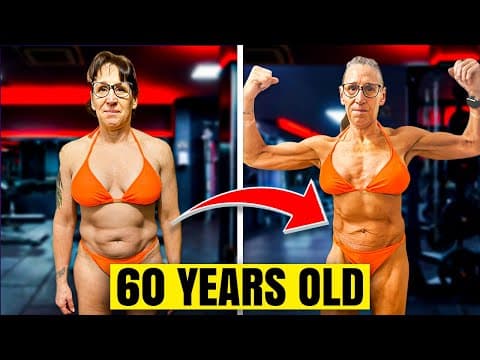
    Yes, you can build muscle in your 60s. On The WarriorBabe Show, Nikkiey shares clients who did it. Cheryl added muscle and lost fat between 57 and 60, Sandra hit 90-pound lunges at 61, and Michelle got stronger at 67. Nikkiey says it took hard work, consistency and patience, with no special circumstances.

    Read the answer →
  • Diets, Fasting & Diet Culture

    Why do I always gain the weight back after a diet?

    According to Nikkiey, the weight comes back because the diet changed the outcome, not the habits underneath it. Quick fixes built on heavy restriction work for a while. Then the plan ends, you go back to normal, and normal recreates the old body. Most women don't have a weight loss problem; they have a keep-it-off problem.

    Read the answer →
  • Protein for Women

    Why do women need more protein as they get older?

    Women need more protein with age because they lose muscle every decade and their bodies get worse at turning protein into muscle, which Nikkiey calls anabolic resistance. To get the same muscle-building response as a younger woman, you need more protein, not less. Eating less to lose weight usually works against you.

    Read the answer →
  • Fat Loss After 40

    Can weekends undo a week of eating well?

    Yes. Nikkiey explains that a modest weekday deficit of 300 to 500 calories a day adds up to about 2,000 calories, and one Saturday of brunch, drinks, dinner out, dessert and late-night snacks can eat back 2,000 to 3,000. Your body runs seven days a week, so fat loss doesn't reset on Monday.

    Read the answer →
  • The Scale & Tracking Progress

    What is the difference between weight loss and fat loss?

    Weight loss is any drop on the scale, and it can come from fat, muscle, water, undigested food and even organs. Fat loss means reducing body fat specifically while keeping your lean muscle. Nikkiey explains that fat loss is what makes you look leaner, stronger and more defined, so it should be the goal.

    Read the answer →
  • Sleep, Recovery & Lifestyle

    How does poor sleep affect weight loss?

    Poor sleep works against fat loss on several fronts. Nikkiey explains that it raises your hunger hormone ghrelin, lowers your fullness hormone leptin, and raises cortisol, which she says signals your body to hold fat, break down muscle and become more insulin resistant. That means you can be in a calorie deficit and still stall.

    Read the answer →
  • Meal Prep & Workout Nutrition

    How do I meal prep when I cook for my family?

    You don't need separate meals. Nikkiey recommends cooking modular components, a protein, a carb and a vegetable, in one session. Everyone builds their own plate, and you build yours heavy on protein and vegetables. Your family adds butter, cheese or sauces, and you adjust your portions and sauce choices to fit your macros.

    Read the answer →
  • Menopause & Perimenopause Weight Loss

    How much protein do women in menopause need?

    Nikkiey's recommendation is about one gram of protein per pound of body weight, so a 150-pound woman aims for roughly 150 grams a day, and that target stays the same through menopause. Guests on The WarriorBabe Show land in a similar range, and several say most women are eating far too little.

    Read the answer →
  • How to Get Toned

    Do crunches flatten your stomach after 40?

    No. Crunches won't flatten your stomach after 40, because you can't spot reduce belly fat and crunches don't burn enough calories or build enough muscle to change your shape. What works is full-body strength training like squats, deadlifts and carries, enough protein, recovery, and lowering your overall body fat.

    Read the answer →
  • Hormones & Hormone Health

    How much fat should I eat for hormone health?

    Nikkiey typically sets women's fat between 55 and 85 grams a day, depending on whether you're cutting or in maintenance. On Ep. 172 she says women going through menopause usually need fat a little higher to support their changing hormones. She also says to actually hit your fat target, because falling short quietly cuts calories.

    Read the answer →
  • Food Noise, Cravings & Overeating

    How do I stop overeating treats?

    Stop treating sweets as forbidden, then build the discipline to stop when you've had enough. Nikkiey and her guests say that when a food is allowed every day, the urge to overeat it mostly fades. Decide how much is enough, savor it, give your body time to register fullness, and put the rest away.

    Read the answer →
  • Holidays, Travel & Social Life

    How do I stay on track on vacation?

    Nikkiey's approach is to eat well during the day and enjoy a smart free meal at night, like an entree and a dessert. Cook breakfast, lunch and snacks at your rental, pack food for the beach, skip tracking macros, and get right back to your routine the day you get home.

    Read the answer →
  • Women's Health & Aging

    What should I do if my doctor dismisses my symptoms?

    Don't accept "it's just aging" or "it's stress" without data. Nikkiey says to push back politely and firmly, arrive with a weekly symptom log and a list of questions and tests, and remember you can get a second opinion or change doctors if yours won't engage.

    Read the answer →
  • Supplements & Creatine

    Should women in menopause take creatine?

    Nikkiey says creatine can be a smart addition for many women in menopause who want to keep or build muscle and strength. As estrogen drops, the risk of osteoporosis and fractures rises, and she notes creatine is commonly used by older adults for muscle support. She advises checking with your doctor first and staying well hydrated.

    Read the answer →
  • GLP-1s & Muscle

    How often should I strength train on a GLP-1?

    Nikkiey recommends strength training three to four days a week while on a GLP-1, with challenging weight that increases over time. Focus on compound lifts like squats, deadlifts, rows and presses. It doesn't need to take over your life: a focused, planned 45-minute session is enough, and cardio doesn't replace it.

    Read the answer →
  • Consistency & Mindset

    What should I do after a bad day of eating?

    Get back on plan at your very next meal, not next Monday. Nikkiey says not to beat yourself up: one bad meal does not ruin your diet. Ask what led to the slip, adjust, and if you overate earlier, lean on protein for the rest of the day instead of restricting or giving up.

    Read the answer →
  • Strength Training for Women

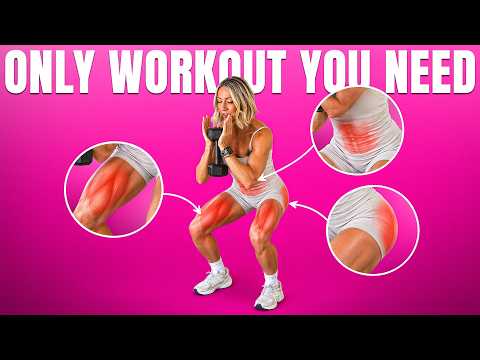
    Are full body workouts better than body part splits for women over 40?

    For most women over 40, Nikkiey Stott recommends full body workouts over body part splits. One exercise per muscle group, four to five days a week, spreads the work out so you recover between sessions and stay consistent. She's clear that bro splits aren't bad, though. Progressive overload is what matters most.

    Read the answer →
  • Macros & Macro Tracking

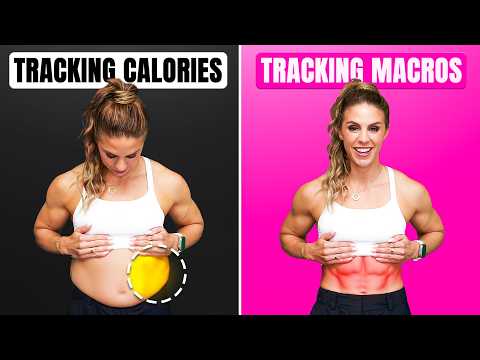
    Is tracking macros better than counting calories?

    For most women over 40 who want to change how their body looks, yes. Nikkiey explains that macro tracking isn't an alternative to counting calories; it's the more complete version. Calories alone can get the scale moving, but you'll lose muscle with the fat. Tracking protein, carbs and fat lets you lose fat while keeping muscle.

    Read the answer →

  • Metabolism, Eating More & Reverse Dieting

    How do I know if I'm not eating enough?

    Nikkiey points to five signs: constant fatigue, irritability or anxiety, bloating and constipation, poor sleep and recovery, and stalled fat loss or weight gain while eating less. Not feeling hungry on very little food is another red flag. The only way to know for sure is to weigh and track what you eat for a week.

    Read the answer →

  • Diets, Fasting & Diet Culture

    Why don't fad diets work long term?

    Fad diets don't work long term because they are built for fast results through extreme restriction, not for real life. Nikkiey explains that when the program ends, the foods you cut out come back, often more than before, and so does the weight. Nothing teaches you how to keep the results afterward.

    Read the answer →

  • Protein for Women

    Are protein shakes as good as real food?

    Not quite. Nikkiey's view is that protein shakes and bars are a useful tool, not a replacement for whole foods. They're processed and lack the vitamins, minerals and other nutrients you get from chicken, eggs, fish or tofu. She suggests about 80% of your protein from whole foods and roughly 20% from shakes and bars.

    Read the answer →

  • Fat Loss After 40

    How many steps a day should I walk to lose fat?

    Nikkiey recommends 8,000 to 12,000 steps a day for fat loss, and says it doesn't have to be exactly 10,000. If you're well below that now, build up gradually, adding 1,000 to 2,000 steps a week, instead of jumping straight to the target. Walking works best alongside strength training and the right nutrition.

    Read the answer →

  • The Scale & Tracking Progress

    Can I lose fat if the scale isn't moving?

    Yes. Across several episodes, women's weight held steady or even went up while their bodies got leaner: smaller clothes, more muscle, a smaller waist. Nikkiey explains that the muscle you build is denser than the fat you had, so the scale can't show what's changing. Photos, measurements and how your clothes fit tell you far more.

    Read the answer →

  • Sleep, Recovery & Lifestyle

    Does alcohol affect sleep?

    Yes. Nikkiey explains that alcohol may help you fall asleep faster, but it disrupts deep and REM sleep later in the night, raises your heart rate and body temperature, and wakes you up. That poor sleep then raises cortisol, shifts hunger hormones, increases cravings and hurts your next workout for 24 to 48 hours.

    Read the answer →

  • Meal Prep & Workout Nutrition

    How soon after a workout do I need to eat?

    You don't need to rush a shake within 30 minutes. On Ep. 364, Nikkiey explains that the post-workout window is real but wider than people think, with muscle protein synthesis elevated for up to 24 to 48 hours. She recommends a protein-containing meal within about an hour to an hour and a half after training, and never four hours later.

    Read the answer →

  • How to Get Toned

    Why doesn't cardio make me look toned?

    Cardio doesn't build muscle, and looking toned means showing muscle. Nikkiey explains that cardio can help with fat loss, but fat loss without muscle building just gives you a smaller version of the same body, often called skinny fat. Toned comes from strength training with progressive overload, enough food, and less cardio.

    Read the answer →

  • Hormones & Hormone Health

    Is HRT enough to lose weight in menopause?

    No. Across the episodes, the answer is consistent: HRT can help, but it isn't what produces the results on its own. Dr. Brighten says HRT is not enough by itself, Alicia Erickson says you still have to do the work, and a woman who lost 60 pounds in menopause credits muscle, nutrition and recovery first.

    Read the answer →

  • Food Noise, Cravings & Overeating

    What is the difference between hunger and a craving?

    Hunger is a general need to eat, like needing a meal, and it builds gradually with physical cues such as a rumbling stomach. A craving is an intense desire for one specific food, like chips, ice cream, pizza or chocolate. Nikkiey explains cravings often hit fast and are frequently driven by stress, boredom or even celebration.

    Read the answer →

  • Holidays, Travel & Social Life

    How many calories are in alcohol?

    Alcohol has seven calories per gram, nearly as much as fat at nine and almost double carbs and protein at four. Nikkiey explains that it's a macronutrient most people don't track, its calories are empty, and drink labels often hide them, so even a few drinks can quietly add up fast.

    Read the answer →

  • Women's Health & Aging

    How long does perimenopause last?

    Perimenopause can last anywhere from about one to 12 years, depending on the woman and who you ask. On Ep. 339, Dr. Jaime Knopman puts it at one to six or seven years. On Ep. 207, menopause consultant Hatty McCafferty says roughly four to 12 years, with earlier onset possible for some women of color.

    Read the answer →

  • Supplements & Creatine

    Do I need a creatine supplement if I eat meat?

    Not necessarily. Nikkiey explains that animal-sourced foods like chicken and eggs naturally contain creatine, so if you eat meat you're already getting some, and supplementing can sometimes be a waste of money. She sees the biggest benefit for women who are plant-based or vegan and aren't getting creatine from food at all.

    Read the answer →

  • GLP-1s & Muscle

    What happens when you stop taking a GLP-1?

    Nikkiey explains that when you stop a GLP-1, your appetite comes back. But if you lost muscle while on it, your body now burns fewer calories at rest than before you started. That is why the weight tends to return, often faster. She cites a study where people regained about two-thirds of the lost weight within 12 months.

    Read the answer →

  • Consistency & Mindset

    Why do I keep starting over with fitness?

    You keep starting over because most plans are built for the motivated version of you, not the exhausted one on a Tuesday night. Nikkiey says it also happens when things get boring, when old identities and habits pull you back, and when staying in planning mode feels safer than risking failure. It's the plan, not you.

    Read the answer →

  • Strength Training for Women

    Can I build muscle at home with just dumbbells?

    Yes. On The WarriorBabe Show, the message is that muscle grows from the force it produces against resistance and how close you take it to failure. Gym machines and dumbbells are two delivery systems for that same signal. What matters is lifting heavy enough, resting enough, and gradually making it harder over time.

    Read the answer →

  • Macros & Macro Tracking

    Can I still eat treats while tracking macros?

    Yes. Across The WarriorBabe Show, Nikkiey's position is that treats work when they fit your numbers and stay the minority of what you eat, roughly 80% quality food and 20% fun food. She has two to four pieces of dark chocolate most nights, and members fit in cookies, pizza and ice cream swaps while losing fat.

    Read the answer →

  • Metabolism, Eating More & Reverse Dieting

    What is a build phase?

    A build phase is a planned stretch of eating above maintenance while lifting heavy and keeping protein high, so you build muscle on purpose. Nikkiey puts the surplus at roughly 5 to 15 percent, or about 200 to 300 calories, above maintenance. Some weight gain is expected. It is controlled, not a free-for-all.

    Read the answer →

  • Building Muscle After 40

    How long does it take to build muscle after 40?

    Think in years, not weeks. Nikkiey says it took her a solid three to four years to build solid muscle, and she suggests women expect their journey to take 18 months or more. Visible changes may show in six months to two years depending on where you start, if training, protein and recovery stay consistent.

    Read the answer →

  • Diets, Fasting & Diet Culture

    How do I stop losing and regaining the same 10 pounds?

    Stop treating it as a 30-day diet and start building habits, beliefs and skills that outlast the plan. Nikkiey explains that the same 10 pounds keep coming back when old habits return after a diet ends, when you quit before your body responds, and when nobody teaches you how to move from fat loss into maintenance.

    Read the answer →

  • Protein for Women

    How much protein should I eat per meal?

    Aim for about 25 to 30 grams of protein at every meal. That's the range Nikkiey Stott returns to across The WarriorBabe Show, sometimes stretching it to 25 to 35 grams. If you're starting from a low intake, she suggests 20 to 25 grams across four or five meals as a first step.

    Read the answer →

  • Fat Loss After 40

    How much cardio should I do to lose fat?

    Less than you probably think. Nikkiey's guidance is two or three cardio sessions a week, or simply hitting your step count (around 10,000 a day), and that's plenty for most women. Cardio supports heart health and endurance, but strength training and nutrition should drive fat loss, not daily treadmill time.

    Read the answer →

  • The Scale & Tracking Progress

    What should I do when I hit a weight loss plateau?

    First, make sure it's a true plateau: weeks of consistent eating, tracking, training and sleep with no change in photos, scale or inches. If it is, Nikkiey gives two options. Ride it out for two to four weeks without changing anything, or make one small tweak, like trimming 100 to 150 calories from carbs and fat.

    Read the answer →

  • Sleep, Recovery & Lifestyle

    How many hours of sleep do I need to lose fat?

    Aim for seven to nine hours a night. Nikkiey explains that most adults need that range to support the hormones that drive hunger, cravings, recovery and fat storage. If you're getting five or six hours now, don't overhaul everything overnight. Add 15 to 30 minutes at a time until you get there.

    Read the answer →

  • Meal Prep & Workout Nutrition

    Is it okay to eat the same meals every day to lose fat?

    Yes. Nikkiey says eating the same meals every day is one of the most effective ways to lose fat. It makes your macros easier to hit, keeps calories consistent, and helps steady digestion and hunger. Fat loss and body recomposition thrive on consistency. Keep the base the same and make small swaps when you want variety.

    Read the answer →

  • Menopause & Perimenopause Weight Loss

    Should I eat fewer carbs during menopause?

    Moderately, yes, but not to keto levels. Nikkiey explains that WarriorBabe lowers carbs and raises fats during perimenopause and menopause because insulin resistance changes how your body handles carbs, using a split of 35% protein, 27% carbs and 38% fat. Carbs are never eliminated, and guest Louise Digby warns that going too low can slow your metabolism.

    Read the answer →

  • How to Get Toned

    Do light weights with high reps tone your arms?

    No. WarriorBabe's coaches explain that there's no special toning effect from two-, three- or five-pound dumbbells. Your arms adapted to that load long ago, so it gives them no reason to change. What reads as toned is real muscle with less body fat on top, and that comes from challenging weight that goes up over time.

    Read the answer →

  • Hormones & Hormone Health

    What blood tests should I ask my doctor for after 40?

    Nikkiey suggests going beyond the basic panel: a full thyroid panel (TSH, free T3, free T4, reverse T3, antibodies), estrogen or estradiol, progesterone, testosterone, cortisol, fasting insulin and A1C, plus vitamin D, B12 and iron. For heart health she adds ApoB, high-sensitivity CRP and homocysteine. Bring the list and talk it through with your doctor.

    Read the answer →

  • Food Noise, Cravings & Overeating

    Do sugar cravings ever go away?

    For many women, yes, they fade a lot. On The WarriorBabe Show, Nikkiey and her clients describe daily sugar cravings dropping once they ate enough, especially protein, and cut back on sugar over time. Sweets don't have to disappear. They stop running the show, so you can enjoy them in balance.

    Read the answer →

  • Holidays, Travel & Social Life

    Can I drink alcohol and still lose fat?

    Yes, but how often you drink decides it. On Ep. 359, Nikkiey says one or two intentional occasions a week is something most consistent women can handle while still progressing. Drinking three to four nights a week shows up in your results. In earlier episodes she takes a stricter line and suggests keeping it rare.

    Read the answer →

  • Women's Health & Aging

    Can exercise fix diastasis recti?

    Not according to Dr. Rady Rahban on Ep. 365. The board-certified plastic surgeon says no amount of crunches or core work will close a diastasis gap. Core training still matters because it strengthens your obliques and rectus muscles, but in his view the separation itself won't sew back together.

    Read the answer →

  • Supplements & Creatine

    Do I need a pre-workout supplement?

    No. Nikkiey doesn't take a pre-workout supplement herself; one WarriorBabe coach fuels with a pre-workout meal of protein and carbs instead. Nikkiey won't tell you not to use one, but if you do, read the label for beta alanine, which causes an itchy feeling, and for caffeine, which in some products runs 300 to 400 milligrams per scoop.

    Read the answer →

  • Consistency & Mindset

    Should I wait until Monday to get back on track?

    No. Across several episodes, Nikkiey says there is no perfect time to restart, and the time is right now. Waiting for Monday usually turns into a week of leftovers, extra wine and half-hearted workouts. Pick it back up within the next couple of hours with your next meal, your steps or tomorrow's workout.

    Read the answer →

  • Strength Training for Women

    Does Pilates build muscle?

    Not in any meaningful way once you're past beginner level. Nikkiey explains that Pilates can help you maintain muscle and is great for mobility, flexibility and balance, but it can't grow new muscle the way strength training can. Building muscle takes progressive overload with dumbbells and barbells, and Pilates classes don't provide that kind of load.

    Read the answer →

  • Macros & Macro Tracking

    How long does it take to get good at tracking macros?

    Expect a learning curve of about three to four months, with tracking feeling noticeably easier somewhere between six months and a year. Nikkiey's first planning sessions took up to an hour and a half; years later she logs a full day in about two minutes. Some women, like guest Valerie, hit their numbers within two weeks.

    Read the answer →

Browse questions by topic