
Skip to content

Nutrition

Protein, macros, eating more, diets and cravings, for women over 40.

Start with a topic

What women ask

All questions →
  • Protein for Women

    How much protein do women over 40 need?

    Most guidance on The WarriorBabe Show lands at about 1 gram of protein per pound of body weight per day for women over 40, based on goal weight if you have a lot to lose. Nikkiey says strength-training women may need 1.2 or even 1.3. Some episodes and guests cite 0.7 grams as the floor.

    Read the answer →
  • Protein for Women

    Does eating more protein help with fat loss?

    Yes. Nikkiey explains that protein helps fat loss in three ways: your body burns more calories digesting it than carbs or fat, it protects and builds muscle while you're eating less, and it keeps you full so cravings don't derail you. She's also clear the digestion boost is small compared with exercise.

    Read the answer →

  • Protein for Women

    Why do women need more protein as they get older?

    Women need more protein with age because they lose muscle every decade and their bodies get worse at turning protein into muscle, which Nikkiey calls anabolic resistance. To get the same muscle-building response as a younger woman, you need more protein, not less. Eating less to lose weight usually works against you.

    Read the answer →

  • Protein for Women

    Are protein shakes as good as real food?

    Not quite. Nikkiey's view is that protein shakes and bars are a useful tool, not a replacement for whole foods. They're processed and lack the vitamins, minerals and other nutrients you get from chicken, eggs, fish or tofu. She suggests about 80% of your protein from whole foods and roughly 20% from shakes and bars.

    Read the answer →

  • Protein for Women

    How much protein should I eat per meal?

    Aim for about 25 to 30 grams of protein at every meal. That's the range Nikkiey Stott returns to across The WarriorBabe Show, sometimes stretching it to 25 to 35 grams. If you're starting from a low intake, she suggests 20 to 25 grams across four or five meals as a first step.

    Read the answer →

  • Protein for Women

    What is the difference between complete and incomplete protein?

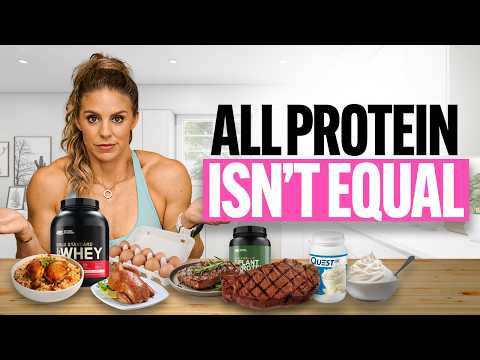
    A complete protein contains all nine essential amino acids, the ones your body can't make and must get from food. An incomplete protein is missing one or more. Complete sources are mostly animal-based, like chicken, eggs, fish, Greek yogurt and whey. Incomplete sources are mostly plant-based, like nuts, beans, lentils and oats.

    Read the answer →

Newest