The short answer
Supplements will not get you results on their own, but a few can support the work. Dr. Stacy Sims names creatine monohydrate, omega-3s and vitamin D as the three she says most women benefit from. Nikkiey Stott takes magnesium and vitamin D daily, and says that if you try only one thing, make it protein powder. Talk to your doctor before adding any supplement.
What to know
- Nikkiey Stott's position is that supplements only support hard work, effort and consistency, which are what actually change your body composition.
- Dr. Stacy Sims names creatine monohydrate, omega-3s and vitamin D as the three supplements she says most women benefit from.
- If you only try one supplement, Nikkiey suggests protein powder, because protein is what most women struggle to hit.
- A higher number on the scale after starting creatine is mostly water pulled into the muscle, not fat, so Nikkiey suggests tracking with photos instead.
- Nikkiey's approach to creatine is 3 to 5 grams of creatine monohydrate every day, with no loading phase and no cycling.
- Collagen does not count toward your daily protein, and one WarriorBabe coach says to choose creatine over collagen if your budget is limited.
On this page
- Which supplements are worth it for women over 40?
- What does creatine do for women?
- Should women over 40 and 50 take creatine?
- Creatine side effects: weight, stomach, kidneys and water
- How much creatine should women take, and when?
- Best protein powder for women over 40
- Magnesium and vitamin D for women over 40
- Omega-3 and collagen: are they worth it?
- Menopause supplements and the ones to skip
- More questions
Which supplements are worth it for women over 40?
A few are worth considering, but only as support for the work you are already doing. Nikkiey Stott repeats one position on The WarriorBabe Show: supplements will not get you results. Hard work, effort and consistency are what build muscle and change your body composition.
In Why a 1200-Calorie Diet Fails Women Over 40, exercise physiologist Dr. Stacy Sims names three supplements she says most women benefit from: creatine monohydrate, omega-3s and vitamin D. Nikkiey takes magnesium and vitamin D daily. And if you only try one thing, her advice is protein powder, because protein is what most women struggle to hit.
Most of your food should still come from whole foods. Jordan Syatt makes the point by telling you to eat your vegetables instead of buying greens powders, and Dr. Stephen Cabral calls supplements one tool among eight, not a rescue.
If you have tried pill after pill and nothing changed, that does not mean something is wrong with you. The pills were never the plan. As Nikkiey says throughout, talk to your healthcare provider before adding creatine or any supplement.
What does creatine do for women?
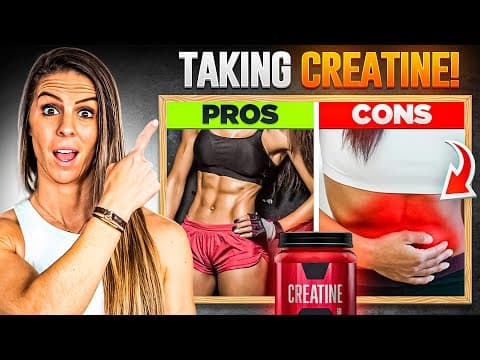
Creatine helps your muscles produce energy. In Should Women Over 40 Take Creatine? Pros and Cons, Nikkiey explains that it raises phosphocreatine in the muscle, which helps generate ATP, the energy your muscles use to contract. That matters most in short, high-intensity efforts like a hard set.
Nikkiey walks through four benefits:
- More strength and power
- More muscle mass, through cell hydration and protein synthesis
- Better exercise performance and recovery
- Improved brain function
On that last point, Nikkiey says your brain uses creatine for energy the same way your muscles do, and she points to studies showing better memory, processing speed and executive function. She noticed more clarity and energy herself during a stretch of brain fog and fatigue, and calls it directly relevant to perimenopause brain fog. That is her view and her experience, so raise it with your doctor if brain fog is bothering you.
One WarriorBabe coach adds that creatine can be especially useful for older adults, because muscle mass declines as you age.
Should women over 40 and 50 take creatine?
Many can, in Nikkiey's view, especially in menopause. She sees creatine as a smart addition for women who want to keep or build muscle and strength as estrogen declines. She notes that the risk of osteoporosis and fractures rises as estrogen drops, and that creatine is commonly used by older adults for muscle support.
You may not need it if you eat meat. Nikkiey explains that animal foods like chicken and eggs naturally contain creatine, so supplementing can sometimes be a waste of money. She sees the biggest benefit for women who are plant-based or vegan and get no creatine from food.
There is one clear exception. If you have existing kidney problems, Nikkiey would not recommend creatine. For everyone else, her advice is the same: check with your doctor first and stay well hydrated.
Creatine side effects: weight, stomach, kidneys and water
The most common side effect is a higher number on the scale, and Nikkiey explains it is water pulled into the muscle, not fat. It is usually temporary, and sometimes it is new muscle. She suggests taking progress photos instead of obsessing over the number.
Stomach trouble is the next one. WarriorBabe's coaches explain that cramps, nausea, diarrhea and bloating tend to show up with large doses or on an empty stomach. Their fix is a lower dose taken with food, such as a protein shake or a meal with carbohydrates.
On kidneys, WarriorBabe's coaches say most studies have found creatine safe for healthy people, generally for up to five years. One coach also reminds you that the long-term effects are still not fully understood, and anyone with existing kidney problems should be cautious and talk to their doctor.
Dehydration is a risk only if you are not drinking enough. Because creatine pulls water into your muscles, Nikkiey says staying hydrated is non-negotiable.
How much creatine should women take, and when?
Nikkiey's approach is 3 to 5 grams of creatine monohydrate a day, roughly half a teaspoon, taken every day rather than only on training days. Monohydrate is also the form Dr. Stacy Sims names. As with any supplement, check with your doctor before you start.
You do not need a loading phase. On Ep. 408, Nikkiey explains that the old protocol of around 20 grams a day for a week often brings GI discomfort, bloating and water retention. She recommends a steady daily dose, including rest days, and giving it 14 to 21 days of consistency.
You also do not need to cycle off. Nikkiey says no research supports cycling creatine, and she points to studies running out to five years showing no adverse effects in healthy people.
Timing is flexible, but food helps. In her creatine episode, Nikkiey takes it after training in a protein shake with unsweetened almond milk and frozen bananas and strawberries. Elsewhere she describes stirring 5 grams into her morning coffee. Maggie Topham takes hers after her workout in her full day of eating at 52.
Best protein powder for women over 40
The best protein powder is one your stomach handles, used as a top-up to real food. Nikkiey suggests a whey isolate if whey does not bother you, especially around your workout. If whey leaves you bloated, she uses a plant-based powder, 1st Phorm's Vegan Power Pro, which she finds easy on the stomach.
Protein powder is Nikkiey's first pick because most women eat far less protein than they think. Her target is 0.7 to 1 gram per pound of body weight, leaning higher as you age. If you are starting low, she suggests aiming for 100 grams first, and a shake adds 20 to 25 grams.
A shake is a tool, not a replacement for food. Nikkiey's view is that shakes and bars lack the vitamins and minerals in chicken, eggs, fish or tofu, so she suggests about 80% of your protein from whole foods and roughly 20% from shakes and bars.
One WarriorBabe coach keeps whey protein isolate on hand for busy days when cooking is not happening. Nikkiey also suggests keeping a shake in your gym bag so you are not derailed once you get home.
Magnesium and vitamin D for women over 40
Nikkiey takes both every day. In How to Balance Hormones With Nutrition for Fat Loss, she explains that she takes magnesium at night to help with cortisol and vitamin D in the morning. She also notes that vitamin D should be paired with vitamin K rather than taken alone.
For muscle cramps, Dr. Carolyn Dean, author of The Magnesium Miracle, explains her view that low magnesium can show up as cramps, spasms, twitching and fatigue. She says a standard serum blood test often looks normal even when you are low. She treats a laxative effect as the signal that you have taken more than you can absorb.
Vitamin D also appears on Dr. Stacy Sims's short list of three. And Dr. Jolene Brighten says on The WarriorBabe Show that if your hair is thinning, look at the whole picture, including iron, ferritin, vitamin D, zinc, stress and testosterone, rather than blaming hormones alone. These are their views. Work with your doctor before deciding what you need.
Omega-3 and collagen: are they worth it?
Omega-3s make Dr. Stacy Sims's list of three supplements she says most women benefit from. Nikkiey also wants healthy fats in your food, including omega-3s from fish, flax seeds and walnuts, because in her words hormones are made from fats.
Collagen is a maybe, and not where to start. One WarriorBabe coach says it can be worth taking after 40 for joint support, connective tissue and recovery, but it is not a magic fix for your skin. If your budget is limited, she says to choose creatine over collagen every time.
Collagen also does not count toward your daily protein. Both that coach and Dr. Sims make the point, so do not let a scoop of collagen stand in for a real protein source.
Menopause supplements and the ones to skip
Most menopause supplement blends are not worth the money, according to Dr. Stacy Sims, and neither are most pre-workouts. If you are looking for a pill for belly fat, Nikkiey's answer is that no supplement will get you fat loss results. Your best fat burner is a calorie deficit, strength training, your daily steps and the cardio in your plan.
One WarriorBabe coach names four supplements most women over 40 can skip:
- Green powders, which are usually underdosed and do not replace real food
- Biotin, unless you actually have a deficiency
- Apple cider vinegar gummies, which she calls basically candy
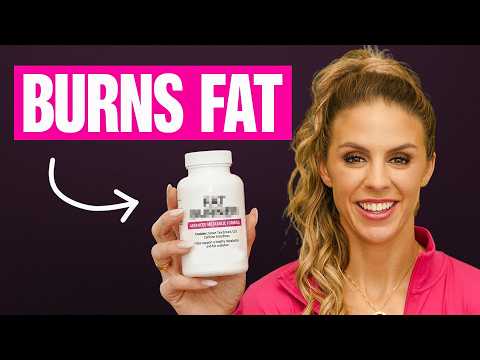
- Fat burners, which she says are mostly caffeine packaged differently
Amino acid products are optional. Maggie Topham says to choose essential amino acids over BCAAs, and that they help most when you cannot hit your protein from food. Nikkiey puts it plainly: put your money into getting enough protein from food before spending it on BCAAs. You do not need more supplements, just the right ones.
Written from what WarriorBabe's coaches and guests say in the episodes, videos and answers linked above (how we write our guides). For education, not medical advice: talk to your doctor about your own health.
More questions
Will creatine make women look bulky?
No. Nikkiey explains that creatine pulls water into your muscle cells, which can raise the scale 2 to 4 pounds in the first week or two and make muscles look slightly fuller. Fuller muscles look more defined, not bigger.
Can creatine affect my blood work?
One WarriorBabe coach says creatine can raise creatinine levels in blood work, which she says is usually not significant and not linked to actual kidney damage. Tell your doctor you take it so they can read your results with that in mind.
Do I need a pre-workout supplement?
No. Nikkiey does not take one, and one WarriorBabe coach fuels with a meal of protein and carbs instead. If you use one, Nikkiey suggests checking the label for beta alanine, which causes an itchy feeling, and for caffeine, which can run 300 to 400 milligrams per scoop.
Should I take a break from caffeine?
You do not have to, but Nikkiey says it is worth testing if you are still exhausted by the end of the day or no longer get a lift from it. She tapered over two weeks, had headaches and brain fog at first, then brought coffee back at around 190 to 200 milligrams a day.
Are protein bars a good way to get more protein?
Not usually. Many bars carry only about 10 grams of protein and cost $60 to $90 a month if you have one daily, while four hard-boiled eggs and a piece of fruit give more protein for about 50 cents.
Can more protein upset my stomach?
Yes, at first. Nikkiey says raising protein can disrupt your digestion because your body is not used to it, and suggests holding at 100 grams a day for 7 to 14 days before going higher.
Is a high-protein diet bad for my kidneys?
For healthy women with no existing kidney condition, Nikkiey says the research does not support high protein causing kidney damage. If you have a known kidney condition, she says to work with your doctor or a nutritionist on your intake.