

 34 min
How Much Protein Do Women Over 40 Really Need?
Episode 364 · May 25, 2026
71 episodes
From Nikkiey Stott and the WarriorBabe coaching team · Updated Oct 25, 2026
You have heard it everywhere: eat more protein. So you have eggs at breakfast, chicken at dinner, maybe peanut butter on your toast and a chickpea salad at lunch, and you assume you are covered. Yet you are hungry an hour after meals, your strength is not moving, and your body looks softer than it did a few years ago, even though you are working hard. On The WarriorBabe Show, Nikkiey Stott hears this every day from women over 40, and her answer usually starts with the same thing: you are probably eating far less protein than you think.
34 minEpisode 364 · May 25, 2026
 22 min
Episode 257 · May 9, 2025
 31 min
Episode 174 · Jul 22, 2024
 20 min
Episode 338 · Feb 20, 2026
 1 hr 3 min
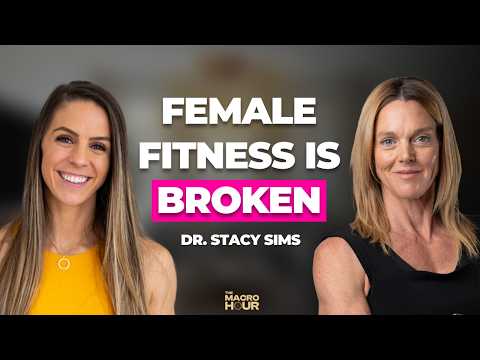
With Dr. Stacy Sims
The show's core point of view is that protein is the king macronutrient, and that women need more of it as they age, not less. In How Much Protein Do Women Over 40 Really Need?, Nikkiey explains sarcopenia, the age-related loss of muscle, and anabolic resistance, which means the amount that worked ten years ago no longer sends a strong enough signal to build and keep muscle. In her experience, most women are eating somewhere between 40 and 70 grams a day. Without enough protein, a calorie deficit costs you muscle along with fat, and you end up a smaller version of the same shape.
On numbers, Nikkiey uses 0.7 to 1 gram per pound of body weight, leaning toward the higher end as you age, and suggests basing it on goal weight if you have a lot to lose. In Why a 1200-Calorie Diet Fails Women Over 40, Dr. Stacy Sims describes about one gram per pound as the low end after 40. Nikkiey is equally clear that you should not jump there overnight. In Why Women Over 40 Need More Protein for Muscle and Fat Loss, she suggests logging a normal week first, aiming for 100 grams a day, and holding that for one to two weeks before working up.
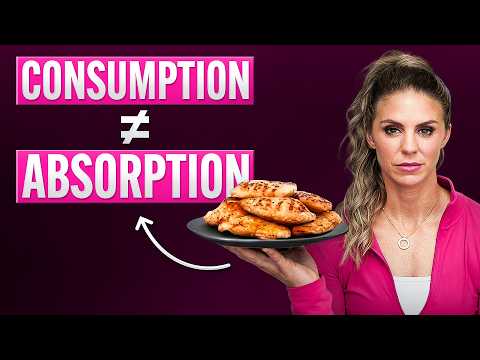
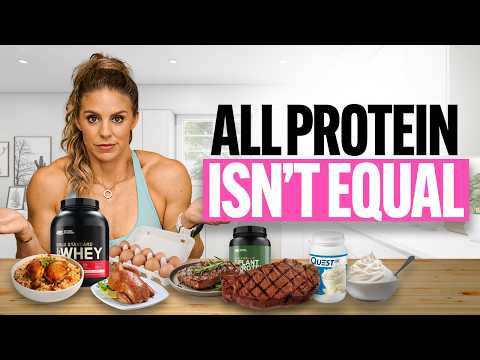
Amount is only half the picture. Complete vs Incomplete Protein for Women Over 40 explains why chicken, eggs, fish, Greek yogurt, cottage cheese and whey do a different job than oats, nuts, beans and rice, which are healthy but missing essential amino acids. Your tracking app cannot tell the difference. Timing matters too: Nikkiey explains that muscle protein synthesis has a per-meal ceiling of roughly 30 to 50 grams, so saving most of your protein for dinner only triggers it once a day. And your target stays the same on rest days and during injury recovery, because muscle rebuilds after training, not during it.
If you are new to this, start with How Much Protein Do Women Over 40 Really Need? for the full picture, then Protein Mistakes Women Over 40 Make and How to Fix Them for the practical fixes. If tracking feels like too much right now, Nikkiey suggests a simpler first step from the complete protein episode: build every meal around a complete protein source and layer the foods you enjoy on top. Your protein does not have to be perfect. It has to be intentional.

Protein for Women
Most guidance on The WarriorBabe Show lands at about 1 gram of protein per pound of body weight per day for women over 40, based on goal weight if you have a lot to lose. Nikkiey says strength-training women may need 1.2 or even 1.3. Some episodes and guests cite 0.7 grams as the floor.
Read the answer →
Protein for Women
Yes. Nikkiey explains that protein helps fat loss in three ways: your body burns more calories digesting it than carbs or fat, it protects and builds muscle while you're eating less, and it keeps you full so cravings don't derail you. She's also clear the digestion boost is small compared with exercise.
Read the answer →
Protein for Women
Women need more protein with age because they lose muscle every decade and their bodies get worse at turning protein into muscle, which Nikkiey calls anabolic resistance. To get the same muscle-building response as a younger woman, you need more protein, not less. Eating less to lose weight usually works against you.
Read the answer →
Protein for Women
Not quite. Nikkiey's view is that protein shakes and bars are a useful tool, not a replacement for whole foods. They're processed and lack the vitamins, minerals and other nutrients you get from chicken, eggs, fish or tofu. She suggests about 80% of your protein from whole foods and roughly 20% from shakes and bars.
Read the answer →
Protein for Women
Aim for about 25 to 30 grams of protein at every meal. That's the range Nikkiey Stott returns to across The WarriorBabe Show, sometimes stretching it to 25 to 35 grams. If you're starting from a low intake, she suggests 20 to 25 grams across four or five meals as a first step.
Read the answer →
Protein for Women
A complete protein contains all nine essential amino acids, the ones your body can't make and must get from food. An incomplete protein is missing one or more. Complete sources are mostly animal-based, like chicken, eggs, fish, Greek yogurt and whey. Incomplete sources are mostly plant-based, like nuts, beans, lentils and oats.
Read the answer →
 20 min
Episode 406 · Oct 19, 2026
 20 min
Episode 404 · Oct 12, 2026
 21 min
Episode 403 · Oct 9, 2026
 39 min
Episode 400 · Sep 28, 2026
 31 min
Episode 398 · Sep 21, 2026
 57 min
Episode 389 · Aug 21, 2026
 29 min
Episode 379 · Jul 17, 2026
 42 min
Episode 378 · Jul 13, 2026
 28 min
Episode 376 · Jul 6, 2026
 37 min
Episode 374 · Jun 29, 2026
 22 min
Episode 369 · Jun 12, 2026
 29 min
Episode 358 · May 4, 2026
Nikkiey Stott uses 0.7 to 1 gram per pound of body weight, leaning toward the higher end as you age, and suggests using goal weight if you have a lot to lose. Dr. Stacy Sims describes about one gram per pound as the low end after 40.
Complete proteins such as chicken, beef, eggs, fish, Greek yogurt, cottage cheese and whey contain all nine essential amino acids. Incomplete proteins like nuts, seeds, oats, rice, beans and lentils are still healthy but are missing one or more, so Nikkiey suggests building meals around a complete protein and layering incomplete ones on top.
No. Nikkiey explains that muscle protein synthesis has a per-meal ceiling of roughly 30 to 50 grams, so loading protein into one meal only triggers it once a day. Spreading it across several meals of about 25 to 30 grams or more works better.
Nikkiey says no. In her view, bulk comes from excess calories, hormones being out of balance or heavy lifting on a lot of food, while protein is the building block that preserves lean muscle and helps you look toned.
In How Much Protein Do Women Over 40 Really Need? and How to Balance Protein, Carbs and Fat for Fat Loss, Nikkiey addresses this myth and explains that, for healthy people, high protein does not damage the kidneys.
No. Nikkiey explains that muscles rebuild after training, not during it, so your protein target stays the same every day, including rest days and recovery from surgery or injury.