

From 2 episodes and 4 videos
Can I build muscle at home with just dumbbells?
Answered by Nikkiey Stott, Maggie Topham and WarriorBabe's coaches · Updated
The short answer
Yes. On The WarriorBabe Show, the message is that muscle grows from the force it produces against resistance and how close you take it to failure. Gym machines and dumbbells are two delivery systems for that same signal. What matters is lifting heavy enough, resting enough, and gradually making it harder over time.
Hear it answered
Tap play to start right where it's answered. It keeps playing while you browse.
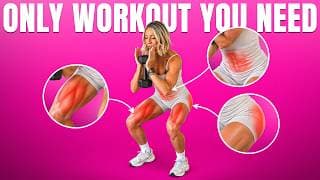
Why dumbbells send the same muscle-building signal as gym machines
Plays from 2:15 · Video: At-Home Dumbbell Workout After Menopause: 4 Key Moves

One coach's tempo trick for when you don't have heavier dumbbells at home
Plays from 13:00 · Video: 6 Dumbbell Exercises to Build Muscle During Menopause
Nicole on building muscle at home with only her dumbbells and bands
Plays from 19:48 · Ep. 328: Why Am I Gaining Weight After 40 When I Work Out So Much?
Tina on switching to dumbbell and band workouts in her living room
Plays from 25:23 · Ep. 247: Losing Weight at 59 With Arthritis: Tina's Story
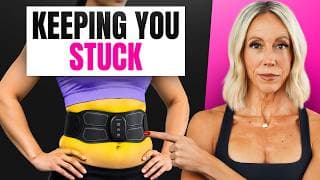
Maggie on why dumbbells beat bands for long-term progressive overload
Plays from 9:03 · Video: Do Fat Loss Gadgets Work? 6 Tested for Women Over 40
The full answer
The show's at-home dumbbell workout video explains that the machines at the gym that look intimidating are just the same basic movements in a more expensive package. The catch is how you train. Maggie's video warns against stringing moves together as a breathless circuit to chase the burn. The burn is a sensation, not the signal. Tension is. The suggested structure:
- Three days a week, with at least a day of rest between sessions
- Three sets of 8 to 12 reps per movement
- 60 to 90 seconds of rest between sets
- Walking on off days for recovery, mood and sleep
The real make-or-break is progressive overload. One WarriorBabe coach says if you're pressing the same 10-pound dumbbells you used six months ago, your body adapted months ago and has no reason to change. If you can do 12 reps and could do more, add two to five pounds. No heavier weights at home? Slow down: three seconds to lower, a one-second pause, three seconds to press. She says that tempo makes a 15-pound dumbbell feel like a 25. Maggie also suggests adjustable dumbbells, and while she calls resistance bands a legitimate starting point for beginners, she notes they hit a ceiling once you outgrow the heaviest band.
Women on the show back this up. On Ep. 328, Nicole explains she doesn't go to a gym. Her coach built every workout around the dumbbells and bands she already owned, and in five months she's lifting heavier than in five years of pushing herself. On Ep. 247, Tina keeps a bench and dumbbells in her living room in winter, and when she couldn't get to the gym her coach switched her to dumbbell and band workouts. If home training hasn't worked for you before, it was likely the plan, not the location and not you.
From WarriorBabe's coaches (how we write our answers). For education, not medical advice: talk to your doctor about your own health.
Women also ask
More on Strength Training for Women →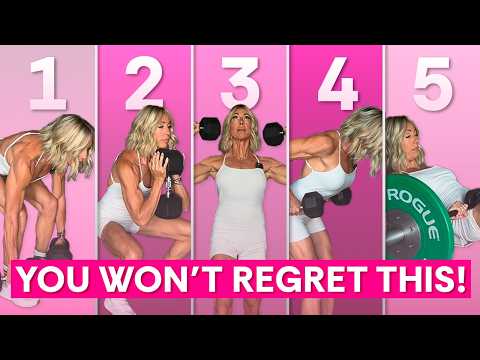
Strength Training for Women
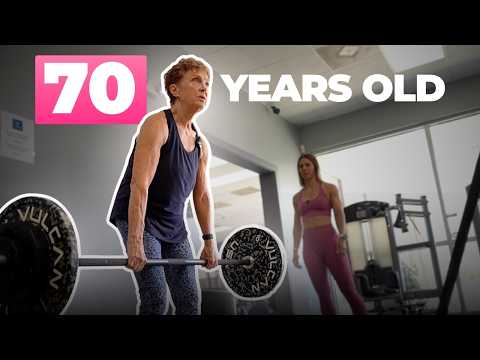
Will deadlifts hurt my lower back?
Done with good form and the right weight, deadlifts shouldn't hurt your lower back. Maggie explains they build your glutes, hamstrings, back and core, the chain that protects your spine. A weak posterior chain causes the stiffness and pain. If you feel deadlifts in your lower back, lower the weight, slow down and keep your back flat.
Read the answer →
Strength Training for Women
How should a beginner start strength training after 40?
Start small and start now. Nikkiey says you don't need to go full bore in week one: get to the gym twice a week or buy dumbbells for home, then train about three times a week doing 8 to 15 reps, with the last three reps challenging and proper form. A plan or coach helps.
Read the answer →
Strength Training for Women
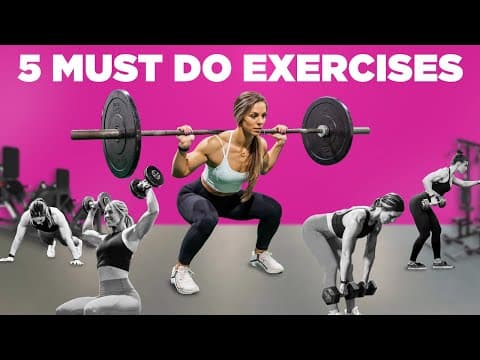
Is good form more important than lifting heavier?
Yes. The order is form first, then connection to the muscle, then weight. If you can't feel the target muscle working, adding weight doesn't make it stronger; other muscles take over and your joints pay for it. Drop the weight until you feel the right muscle, then build from there.
Read the answer →
Strength Training for Women
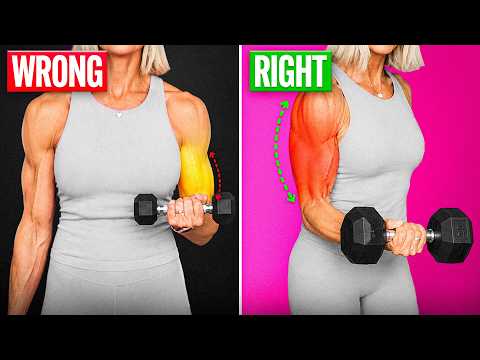
What are the best strength exercises for women over 50?
One WarriorBabe coach's top five for women over 50 are squats, push-ups, dumbbell deadlifts, standing shoulder presses, and lat pulldowns or dumbbell rows. These compound moves work multiple muscles at once to support muscle, bone density, balance and everyday strength. The key is getting progressively stronger at them, not just going through the motions.
Read the answer →
Strength Training for Women
When should I increase the weight I lift?
Go up when you can do 12 reps with perfect form and feel like you could do more. Maggie's rule: the last two to three reps of every set should feel hard, not painful. When they stop feeling hard, add a small amount, two and a half to five pounds, and build from there.
Read the answer →

Strength Training for Women
How many days a week should I lift weights?
Three to four days a week is Nikkiey's core recommendation for women over 40: 30 to 45 minutes per session, built on compound lifts and progressive overload, with walking on off days and seven to eight hours of sleep. Lifting six or seven days a week, she says, breaks down muscle faster than you can rebuild it.
Read the answer →
Watch or listen in full
More on this topic → 14 min
6 Dumbbell Exercises to Build Muscle During Menopause
Video · Oct 3, 2026
 14 min
At-Home Dumbbell Workout After Menopause: 4 Key Moves
Video · Sep 16, 2026
 35 min
Why Am I Gaining Weight After 40 When I Work Out So Much?
Episode 328 · Jan 16, 2026