

The short answer
Yes. Nikkiey explains that alcohol may help you fall asleep faster, but it disrupts deep and REM sleep later in the night, raises your heart rate and body temperature, and wakes you up. That poor sleep then raises cortisol, shifts hunger hormones, increases cravings and hurts your next workout for 24 to 48 hours.
Hear it answered
Tap play to start right where it's answered. It keeps playing while you browse.
Nikkiey on why alcohol wrecks deep and REM sleep and the next day's cravings
Plays from 7:08 · Ep. 359: Does Alcohol Stop Fat Loss? What Women Over 40 Should Know
Nikkiey's Oura ring data: heart rate up and HRV down after one drink
Plays from 20:42 · Ep. 166: How Alcohol Affects Fat Loss and Muscle After 40
Deep sleep dropping from hours to 30 minutes, and the junk-food cravings that follow
Plays from 24:01 · Ep. 107: Does Alcohol Stop Fat Loss and Muscle Gain After 40?
How alcohol blocks deep sleep, raises body temperature and wakes you at night
Plays from 11:41 · Ep. 12: Does Alcohol Stop Fat Loss and Muscle Growth?
Michelle, 67, on how her sleep scores improved after quitting nightly wine
Plays from 23:17 · Ep. 349: Can Eating More Help You Lose Weight After 60?
The full answer
The nightcap myth is the first thing to let go of. On Ep. 166, Nikkiey says the idea that a drink helps you sleep better is far from the truth. Her Oura ring shows the damage: her overnight heart rate, normally in the low 40s, climbs into the 60s or 70s after drinking, and her HRV drops from around 120 to 130 down to about 20. On Ep. 107 she describes deep sleep falling from two to three hours a night to roughly 30 minutes after a couple of drinks, and on Ep. 12 she says no deep sleep shows up at all. She also explains that alcohol affects body temperature regulation, which is why you can wake up hot, sweaty and tossing and turning.
That matters because deep sleep is when muscle repair and recovery happen. On Ep. 359 and Ep. 166, Nikkiey connects the poor sleep to the next day:
She says these effects can last 24 to 48 hours, and none of it shows up in your tracking app. That is why simply logging the drinks is not the whole picture.
- Cortisol goes up
- Ghrelin, your hunger hormone, rises and leptin, your fullness hormone, gets thrown off
- Cravings for high-calorie, greasy food increase
- Your workout performance suffers
The flip side shows up on Ep. 349. Michelle, 67, stopped drinking wine every night and says her sleep got much better, with her bed's sleep scores rising into the nineties after nights of constant movement.
Nikkiey is not saying never drink. She has a drink every six to 12 months and calls that fine. What she does not recommend is drinking on a consistent basis if you are working toward fat loss and muscle. If you have been doing everything right and still waking up tired and hungry, your weekend drinks may be part of the plan worth adjusting.
From WarriorBabe's coaches (how we write our answers). For education, not medical advice: talk to your doctor about your own health.
Women also ask
More on Sleep, Recovery & Lifestyle →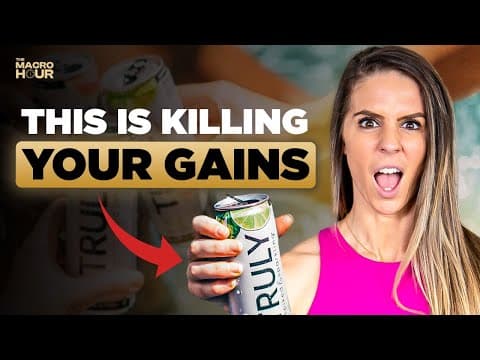
Sleep, Recovery & Lifestyle
Does alcohol stop you from building muscle?
According to Nikkiey, alcohol works directly against building muscle. It slows muscle protein synthesis, the repair process after strength training, and increases muscle breakdown, so tissue can be broken down faster than it's rebuilt. The result is slower recovery, harder muscle gain and a less toned look, even when you're doing everything else right.
Read the answer →
Sleep, Recovery & Lifestyle
How much water should I drink if I lift weights?
If you're strength training and sweating, Nikkiey recommends about 100 to 128 ounces of water a day. On Ep. 140, Dr. Carolyn Dean gives a baseline of half your body weight in pounds as ounces, with more if you sweat. Nutritional therapist Louise Digby adds a simple check: aim for light yellow urine.
Read the answer →
Sleep, Recovery & Lifestyle
Should I eat less during a deload week?
No, not in any meaningful way. Nikkiey says your body is in active recovery during a deload and needs fuel, so protein stays the same and calories stay roughly the same. If you're in a cut, a slight trim is fine, but dropping something like 500 calories works against the recovery the week is for.
Read the answer →
Sleep, Recovery & Lifestyle
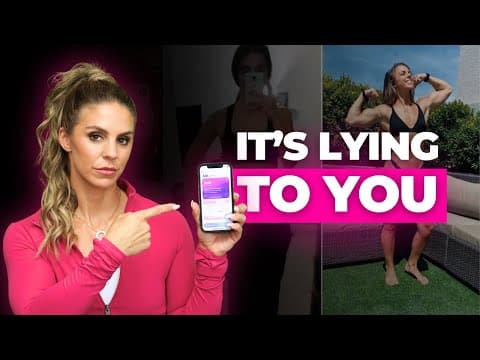
Should I eat back the calories my Apple Watch says I burned?
No. Nikkiey's advice is to wear your Apple Watch for steps, movement and heart rate, but not to eat back the calories it says you burned. Trackers estimate burn from generic formulas, and studies she cites show they can be off by 20 to 80 percent. Eating that number back can quietly stall the scale.
Read the answer →
Sleep, Recovery & Lifestyle
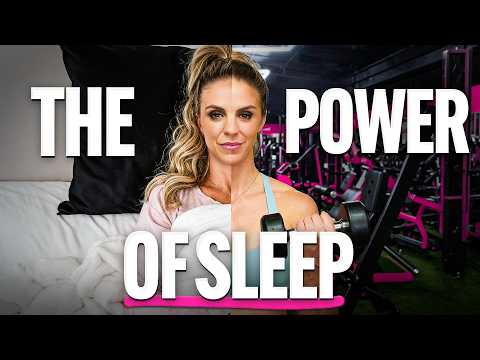
Does sleep affect building muscle?
Yes. Nikkiey explains that you break muscle down in the gym and rebuild it during recovery, and most of that repair happens in deep sleep, when your body releases growth hormone. If you train hard but sleep poorly, she says, you're only doing half the work. She recommends at least seven hours, ideally seven to eight.
Read the answer →
Sleep, Recovery & Lifestyle
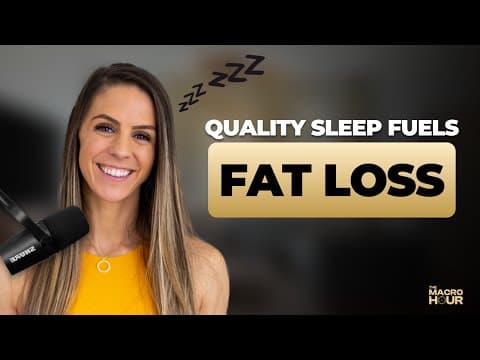
How can I improve my sleep?
Start with the basics Nikkiey returns to again and again: cut screens and bright light before bed, keep your room cool and pitch black with the phone out, and go to bed and wake at the same times. Then try Dr. Stephen Cabral's 3-2-1 rule: no food three hours before bed, no liquids two hours, no screens one hour.
Read the answer →
Watch or listen in full
More on this topic → 29 min
Does Alcohol Stop Fat Loss and Muscle Gain After 40?
Episode 107 · Nov 27, 2023
 27 min
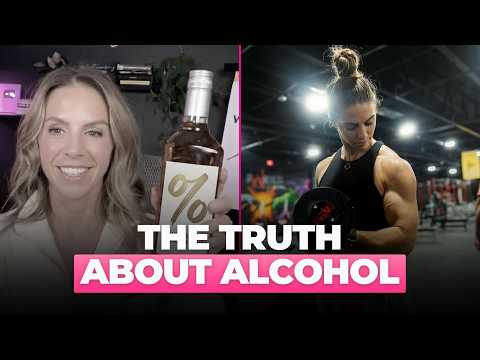
Does Alcohol Stop Fat Loss? What Women Over 40 Should Know
Episode 359 · May 8, 2026
 16 min
Does Alcohol Stop Fat Loss and Muscle Growth?
Episode 12 · Feb 3, 2023