

The short answer
Yes. Across several episodes, women's weight held steady or even went up while their bodies got leaner: smaller clothes, more muscle, a smaller waist. Nikkiey explains that the muscle you build is denser than the fat you had, so the scale can't show what's changing. Photos, measurements and how your clothes fit tell you far more.
Hear it answered
Tap play to start right where it's answered. It keeps playing while you browse.
Robin on losing four pounds in 14 months and getting an entirely different body
Plays from 15:35 · Ep. 248: Can Your Body Change When the Scale Barely Moves?
Nikkiey on why denser muscle lets you weigh the same or more and look thinner
Plays from 29:36 · Ep. 280: How to Get Lean After 40 by Eating More: Megan's Story
Nikkiey on what changes inside your body before the scale or mirror shows it
Plays from 8:00 · Ep. 363: Not Seeing Results Yet? Why Women Over 40 Quit Too Soon
Nikkiey and Lisa on three months at the same weight while her body changed
Plays from 13:39 · Ep. 158: Eating More Carbs and Ditching the Scale: Lisa's Story
Melissa on the scale holding at 150 while her clothes loosened and lifts climbed
Plays from 28:48 · Ep. 312: Not Losing Weight With Barre and Walking After 50?
The full answer
The stories on The WarriorBabe Show are consistent. On Ep. 248, Robin lost only about four or five pounds in 14 months, yet her pant, shirt and bra sizes dropped and friends guessed she had lost 20 or 30 pounds. She credits her muscle. On Ep. 280, Megan weighed 152 pounds in both her before photo and her March photo, and later weighed 158 while looking leaner. Nikkiey explains that the muscle she built is denser than the fat she had, so you can weigh the same or more and still look thinner and more toned. On Ep. 333, Laura wears smaller clothes now than when she weighed 15 pounds less from stress-related undereating.
The scale can stall even when you're eating more. On Ep. 158, Lisa's weight hovered at the same number for about three months while her quads and arms got fuller and her shape changed. That was after Nikkiey raised her intake by five to six hundred calories a day and cut a cardio day. On Ep. 312, Melissa stayed at 150 to 151 pounds while her clothes got looser and her lifts climbed. She describes her body as getting denser, with things moving rather than getting lighter.
On Ep. 363, Nikkiey describes what may be happening before anything shows. She says your metabolism is recalibrating, muscle is developing at a cellular level, and your hormonal environment is shifting as nutrition, protein, training and sleep improve. If you have hormone or medical questions, work with your doctor. She also says the timeline varies. It could be three months, six months or a year, longer for women whose metabolism was suppressed by years of dieting.
What to track instead:
- Progress photos taken side by side
- Measurements
- How your clothes fit
- Strength gains in the gym
From WarriorBabe's coaches (how we write our answers). For education, not medical advice: talk to your doctor about your own health.
Women also ask
More on The Scale & Tracking Progress →
The Scale & Tracking Progress
Why does the scale go up when I'm doing everything right?
Because the scale measures total body mass, not fat. Nikkiey explains that water retention, sodium, glycogen from carbs, inflammation from hard training, stress, your cycle, poor sleep, constipation and travel can all push the number up overnight. None of that means you gained fat. Watch weekly trends, measurements and photos instead of single weigh-ins.
Read the answer →

The Scale & Tracking Progress
Why does the scale go up when I eat more carbs?
The scale goes up after more carbs because your body stores carbs as glycogen in your muscles and liver, and glycogen holds water. Nikkiey explains that stored glycogen holds about three times its amount in water, so the jump is water retention, not fat. It's temporary, and it fuels your strength training.
Read the answer →

The Scale & Tracking Progress
How do I stop obsessing over the scale?
Stop letting the scale be your only measure of progress. Nikkiey explains that the scale grips us because it is instant and black-and-white, so you replace it with progress photos, strength PRs and biofeedback, notice what triggers you, and flip self-sabotaging thoughts into positive ones instead of letting them control you.
Read the answer →
The Scale & Tracking Progress
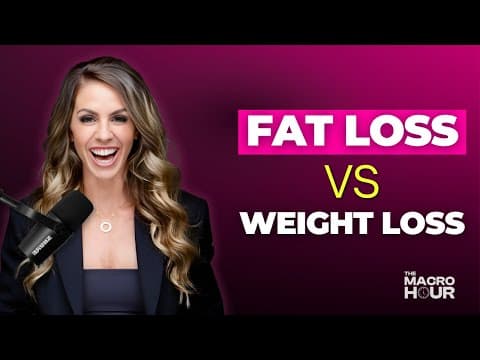
What is the difference between weight loss and fat loss?
Weight loss is any drop on the scale, and it can come from fat, muscle, water, undigested food and even organs. Fat loss means reducing body fat specifically while keeping your lean muscle. Nikkiey explains that fat loss is what makes you look leaner, stronger and more defined, so it should be the goal.
Read the answer →

The Scale & Tracking Progress
What is the most accurate way to measure body composition?
Nikkiey Stott says the most accurate options are an InBody scan, a DEXA scan or a Bod Pod. She doesn't trust the body fat numbers on home scales. Whichever tool you use, measure every month or two under the same conditions, and pair it with photos and tape measurements.
Read the answer →
The Scale & Tracking Progress
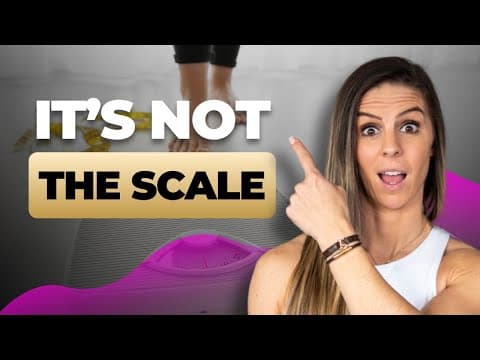
How can I track progress without the scale?
Track the changes the scale can't show: waist and body measurements, side-by-side progress photos, how your clothes fit, and whether you're lifting more than two weeks ago. Nikkiey also watches energy, sleep, cravings, recovery and habits like hitting protein and showing up to train. The scale becomes supporting data, not the decision maker.
Read the answer →
Watch or listen in full
More on this topic →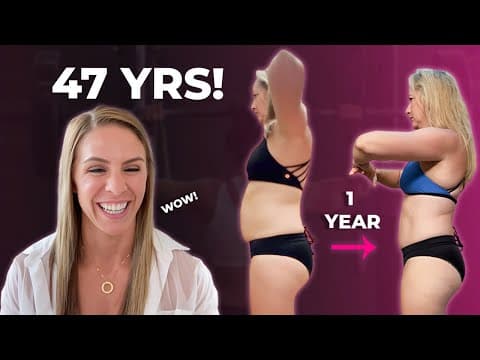 44 min
How to Get Lean After 40 by Eating More: Megan's Story
Episode 280 · Jul 28, 2025
 30 min
Not Seeing Results Yet? Why Women Over 40 Quit Too Soon
Episode 363 · May 22, 2026
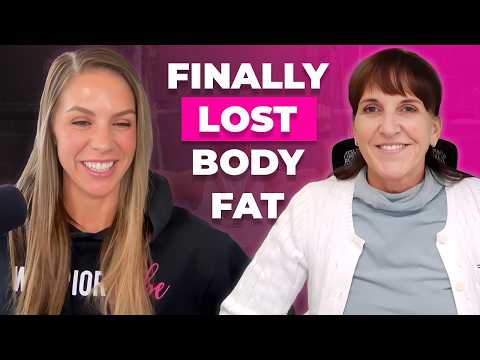 41 min
Not Losing Weight With Barre and Walking After 50?
Episode 312 · Nov 17, 2025