

 28 min
Signs You're Not Eating Enough as a Woman Over 40
Episode 308 · Nov 3, 2025
106 episodes
From Nikkiey Stott and the WarriorBabe coaching team · Updated Oct 25, 2026
You are eating 1,100 to 1,300 calories, training five or six days a week, skipping dessert and doing everything you were told to do. The scale still will not move. You are tired, you sleep poorly, and you may not even feel hungry anymore. The natural instinct is to cut a little more. On The WarriorBabe Show, Nikkiey Stott makes the case that this cycle is the problem. It is not a willpower problem.
28 minEpisode 308 · Nov 3, 2025
 28 min
Episode 284 · Aug 11, 2025
 34 min
Episode 354 · Apr 20, 2026
 50 min
Episode 33 · Mar 24, 2023
 30 min
Episode 148 · Apr 19, 2024
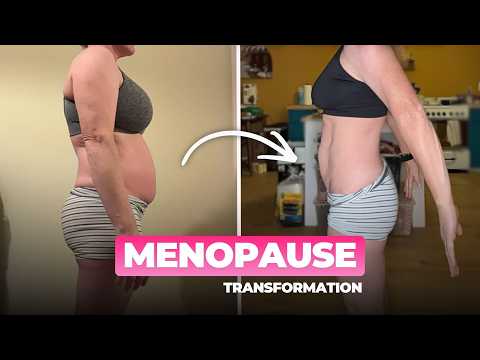
The show's core point of view is that your metabolism is not broken. It has adapted. In "Is Metabolic Damage Real? How Long Metabolism Repair Takes," Nikkiey explains that when you stay in a big deficit for a long time, your body lowers your resting burn, cuts your everyday movement, raises hunger and gives up muscle to save energy. "Signs You're Not Eating Enough as a Woman Over 40" walks through five signs that you are underfed even if you think you are not: constant fatigue, irritability and mood swings, bloating and constipation, poor sleep and slow recovery, and fat loss that stalls even when you eat less. In "How to Fix a Slow Metabolism After Years of Dieting," she adds that missing hunger cues are one of the clearest warning signs.
The fix is a slow, deliberate increase in food. "Reverse Dieting for Women Over 40: Do You Need One?" lays out the WarriorBabe approach. Track about seven days to find your baseline. Add roughly 100 to 150 calories a week with protein first. Hold for one to two weeks while watching your biofeedback, then repeat until you reach maintenance. It takes patience. Nikkiey's timelines run from six to 12 weeks for mild adaptation to six months to a year for long-term chronic restriction. In "Why Your Reverse Diet Didn't Work and How Long It Takes," she explains that most women quit after two to six weeks when the scale ticks up. That jump is water, glycogen and food volume, not fat.
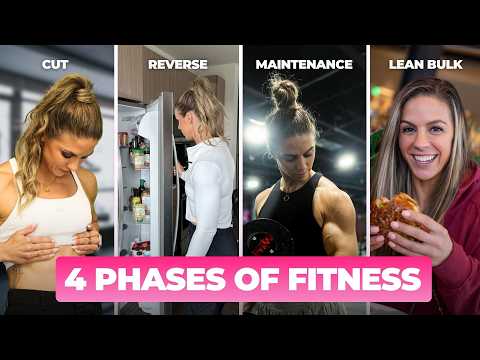
Once you are fueled, the show treats your journey as a series of phases rather than one long diet. "Cut, Reverse, Maintenance or Build: Which Phase Are You In?" explains why a cut is not the starting point if you are skinny fat or have lived on low calories for years. "What Is a Maintenance Phase and How Long Should It Last?" makes the case that maintenance is not a plateau but the foundation that makes results stick. "How to Do a Cut: When to Start and When to Stop" tells you when you are actually ready to diet.
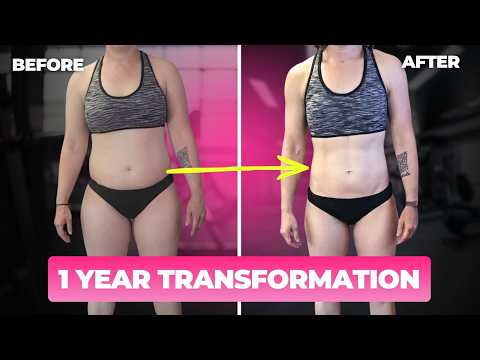
The member stories show what this looks like in real life. Michelle, at 67, was eating 800 to 900 calories. She is now at 1,800 and has lost 10 pounds. Debra moved from about 1,200 to roughly 2,200 calories over an eight-to-nine-month retrain and went from a tight size 10 to a size 6. Cheryl reached 3,300 calories in a build phase in her late 50s and ended up leaner and stronger.
If you are new to this, start with "Signs You're Not Eating Enough as a Woman Over 40." Then listen to the reverse dieting episode and the four-phases episode. Your first step does not change anything yet. Track what you actually eat for one honest week, and let that number tell you where you really are.

Metabolism, Eating More & Reverse Dieting
Probably a little, and that's expected. Nikkiey explains that when you start eating more during a retrain or reverse diet, your weight will usually fluctuate about two to five pounds from water, glycogen, food volume and salt, not fat. If the gain keeps climbing or holds around five pounds, the increase was likely too fast.
Read the answer →

Metabolism, Eating More & Reverse Dieting
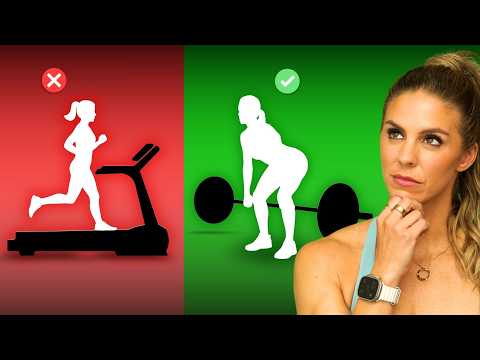
Yes, according to The WarriorBabe Show. Nikkiey says almost every WarriorBabe success story involves eating more food, and members like Amy, Debbie, Lisa and Erin lost weight after raising their calories from chronic lows. The key, she explains, is eating enough to fuel strength training and build muscle, which is active tissue that burns calories even at rest.
Read the answer →

Metabolism, Eating More & Reverse Dieting
It depends on how adapted your metabolism is. Nikkiey's ranges: about six to 12 weeks for mild adaptation after a few months of moderate dieting, closer to three months after a year or more of restriction, and six months to a year after many years of chronic dieting. Your body's response sets the timeline, not a calendar.
Read the answer →

Metabolism, Eating More & Reverse Dieting
Mostly no, according to the show. Guests on The WarriorBabe Show cite research showing metabolism stays fairly steady through midlife. What slows it is losing muscle, which happens quietly from your 30s on unless you strength train and eat enough protein. Nikkiey adds that moving less as we age plays a big part too.
Read the answer →
Metabolism, Eating More & Reverse Dieting
Nikkiey points to five signs: constant fatigue, irritability or anxiety, bloating and constipation, poor sleep and recovery, and stalled fat loss or weight gain while eating less. Not feeling hungry on very little food is another red flag. The only way to know for sure is to weigh and track what you eat for a week.
Read the answer →

Metabolism, Eating More & Reverse Dieting
A build phase is a planned stretch of eating above maintenance while lifting heavy and keeping protein high, so you build muscle on purpose. Nikkiey puts the surplus at roughly 5 to 15 percent, or about 200 to 300 calories, above maintenance. Some weight gain is expected. It is controlled, not a free-for-all.
Read the answer →
 31 min
Episode 405 · Oct 16, 2026
 31 min
Episode 398 · Sep 21, 2026
 26 min
Episode 394 · Sep 7, 2026
 30 min
Episode 390 · Aug 24, 2026
 22 min
Episode 386 · Aug 10, 2026
 57 min
Episode 384 · Aug 3, 2026
 33 min
Episode 383 · Jul 31, 2026
 31 min
Episode 380 · Jul 20, 2026
 35 min
Episode 377 · Jul 10, 2026
 37 min
Episode 374 · Jun 29, 2026
 31 min
Episode 373 · Jun 26, 2026
 44 min
Episode 372 · Jun 22, 2026
Nikkiey Stott says no. Your metabolism has adapted to a long, deep deficit by lowering your resting burn, reducing everyday movement, raising hunger and giving up muscle. Metabolism repair means slowly bringing calories back up toward your true maintenance while you build muscle.
Nikkiey points to five signs: constant fatigue, irritability and mood swings, bloating and constipation, poor sleep and slow recovery, and fat loss that stalls even when you eat less. She also calls missing hunger cues one of the clearest warning signs that something is off.
The WarriorBabe approach adds roughly 100 to 150 calories a week, protein first, and holds each step for one to two weeks while you watch your biofeedback. If you are doing it on your own, Nikkiey suggests a more conservative 50 to 100 calories per week.
Nikkiey explains that the early jump is mostly water, glycogen, food volume and muscles refilling, not fat. She treats your maintenance weight as a two-to-four-week average and asks you to give it a full month before reacting.
In Nikkiey's view, mild adaptation can take six to 12 weeks, and a year or more of restriction takes about three months or longer. Long-term chronic restriction can take six months to a year.
Not if you are eating 1,000 to 1,100 calories and never feel hungry. Nikkiey says maintenance comes first in that case. When you are ready, she recommends a cut of 10 to 20 percent below maintenance with protein prioritized and lifting kept in place.