

 31 min
How Women Over 40 Lose Fat When the Scale Won't Move
Episode 398 · Sep 21, 2026
71 episodes
From Nikkiey Stott and the WarriorBabe coaching team · Updated Oct 25, 2026
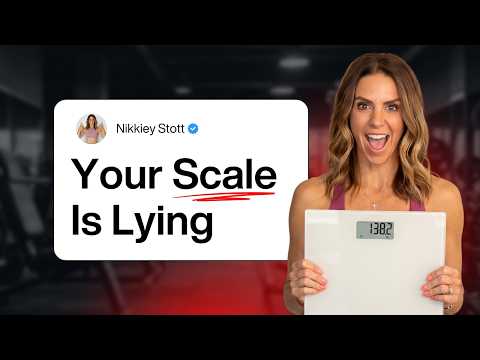
You step on the scale in the morning and that number decides your mood for the day. You have been lifting, hitting your protein and eating well, and the scale has not moved, or it went up. The tempting response is to eat less and add cardio. On The WarriorBabe Show, Nikkiey Stott's answer is no, because the scale was never measuring what you actually care about.
31 minEpisode 398 · Sep 21, 2026
 30 min
Episode 139 · Mar 18, 2024
 26 min
Episode 295 · Sep 19, 2025
 18 min
Episode 334 · Feb 6, 2026
The show's core point is the difference between weight loss and fat loss. In Weight Loss vs Fat Loss: Why the Scale Misleads Women, Nikkiey explains that the scale lumps together fat, muscle, organs, bone, water, glycogen and the food in your gut. It cannot tell fat from muscle, which is why two women can both weigh 150 pounds and look completely different. Chase weight loss alone and, in her words, you can become a skinnier, fatter version of yourself. Fat loss means reducing body fat while keeping or building muscle, and muscle is denser and takes up less space than fat. Nikkiey's own story makes the point: she started around 140 pounds and skinny fat, now weighs more, and looks leaner than ever.
The scale also swings for reasons that have nothing to do with fat. In Why Does My Weight Fluctuate So Much Day to Day? and Why Isn't the Scale Moving When I Eat Well and Lift?, Nikkiey walks through the usual culprits: sodium, your cycle, food you have not processed yet, muscles holding water while they repair after a hard leg or back day, and carbs stored as glycogen, with each gram bringing roughly three grams of water. A jump after a holiday meal or a new creatine habit is water, not fat.
So what should you watch instead? Across these episodes, the answer is progress photos, waist measurements, how your clothes fit, your strength, energy, sleep, hunger and an honest look at your consistency. In What Is Biofeedback? Signs Your Fat Loss Plan Is Off, Nikkiey explains why the scale is reactive while biofeedback is predictive, and how to rate yourself one to five on the markers WarriorBabe coaches track every week. If you still want to weigh in, she suggests doing it in the morning under the same conditions and watching averages and trends over months rather than single days. If the number still runs your head, put the scale away for a while.
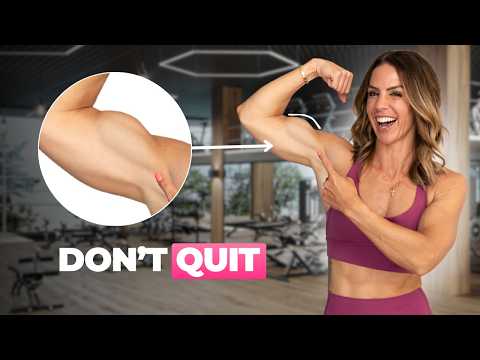
Patience is the other half of the story. In Not Seeing Results After 4 Weeks? Why You Shouldn't Quit, Nikkiey describes the wall that hits around weeks three to six, when the scale stalls or rises just before your body responds. The member stories show what is on the other side. Robin, at 60, moved only four to five pounds in 14 months while friends thought she had lost 20 to 30.
If you are new here, start with How Women Over 40 Lose Fat When the Scale Won't Move for the big picture, then Why Isn't the Scale Moving When I Eat Well and Lift? for the mechanics of water, glycogen and muscle. Follow with the biofeedback episode to learn what to track instead, and keep Not Seeing Results After 4 Weeks? on hand for the week you are tempted to quit.

The Scale & Tracking Progress
Track the changes the scale can't show: waist and body measurements, side-by-side progress photos, how your clothes fit, and whether you're lifting more than two weeks ago. Nikkiey also watches energy, sleep, cravings, recovery and habits like hitting protein and showing up to train. The scale becomes supporting data, not the decision maker.
Read the answer →

The Scale & Tracking Progress
The scale often stalls with strength training because you can build muscle while losing fat at the same time, so your weight barely changes while your body composition does. Nikkiey explains that muscle is denser and takes up less space than fat. Water retention, glycogen, your cycle and hormonal shifts can also stall or spike the number.
Read the answer →
The Scale & Tracking Progress
Daily, if you can stay neutral about the number. Nikkiey suggests weighing every morning and comparing weekly averages, or weighing two to three times a week if daily weigh-ins trigger you. Guests Susan Niebergall and Paula Ciarniello also favor daily weighing, because a single weekly weigh-in can land on a water-retention day and mislead you.
Read the answer →

The Scale & Tracking Progress
Weight loss is any drop on the scale, and it can come from fat, muscle, water, undigested food and even organs. Fat loss means reducing body fat specifically while keeping your lean muscle. Nikkiey explains that fat loss is what makes you look leaner, stronger and more defined, so it should be the goal.
Read the answer →
The Scale & Tracking Progress
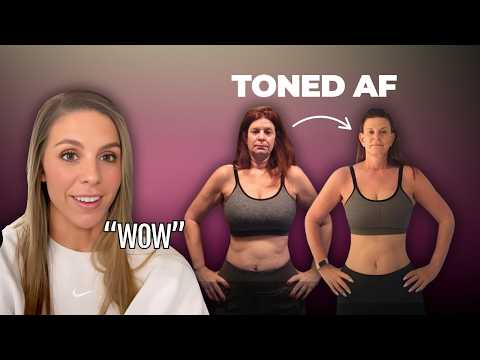
Yes. Across several episodes, women's weight held steady or even went up while their bodies got leaner: smaller clothes, more muscle, a smaller waist. Nikkiey explains that the muscle you build is denser than the fat you had, so the scale can't show what's changing. Photos, measurements and how your clothes fit tell you far more.
Read the answer →

The Scale & Tracking Progress
First, make sure it's a true plateau: weeks of consistent eating, tracking, training and sleep with no change in photos, scale or inches. If it is, Nikkiey gives two options. Ride it out for two to four weeks without changing anything, or make one small tweak, like trimming 100 to 150 calories from carbs and fat.
Read the answer →
 24 min
Episode 407 · Oct 23, 2026
 30 min
Episode 395 · Sep 11, 2026
 22 min
Episode 392 · Aug 31, 2026
 30 min
Episode 390 · Aug 24, 2026
 30 min
Episode 388 · Aug 17, 2026
 30 min
Episode 381 · Jul 24, 2026
 35 min
Episode 377 · Jul 10, 2026
 44 min
Episode 372 · Jun 22, 2026
 30 min
Episode 363 · May 22, 2026
 26 min
Episode 344 · Mar 13, 2026
 29 min
Episode 342 · Mar 6, 2026
 29 min
Episode 332 · Jan 30, 2026
Nikkiey Stott explains that swings of a few pounds in a day are normal and usually come from water retention from sodium, carbs or your cycle, food you haven't digested yet, and muscles holding water after a hard workout. None of these mean you gained fat.
When you lose fat and build muscle at the same time, the number can barely move while your body changes. Muscle is denser and takes up less space than fat, and training also brings temporary water retention and more stored glycogen, which holds water.
Weight loss is any drop in body weight, including muscle, water and fat. Fat loss means reducing body fat while keeping or building muscle, which is what creates the toned, athletic look most women want.
Nikkiey suggests weighing in the morning after the bathroom and before food or water, under the same conditions each time, and never at night. If you can stay neutral, daily weigh-ins tracked as a weekly or seven-day average give a truer picture than a single weekly number.
The episodes point to progress photos, waist and other measurements, how your clothes fit, strength gains, and biofeedback like energy, sleep, hunger, mood and recovery. An honest look at how consistent your food and training were is another key marker.
Not as a first move. Nikkiey asks you to check first whether you've truly been consistent, look at trends over months rather than days, and if it's a true plateau, make small changes like a 100 to 150 calorie adjustment or more progressive overload instead of slashing food or adding cardio.