

The short answer
You keep starting over because most plans are built for the motivated version of you, not the exhausted one on a Tuesday night. Nikkiey says it also happens when things get boring, when old identities and habits pull you back, and when staying in planning mode feels safer than risking failure. It's the plan, not you.
Hear it answered
Tap play to start right where it's answered. It keeps playing while you browse.
Nikkiey on the gap between the motivated you and the exhausted you
Plays from 3:10 · Ep. 361: Why You Keep Starting Over: 5 Questions to Ask First
Why an old story about yourself makes you fall off after a few weeks
Plays from 20:38 · Ep. 246: How to Build a Fit Identity and Stop Self-Sabotaging
Every plan gets boring and inconvenient, and that's where discipline matters
Plays from 10:13 · Ep. 314: How to Stop Making Excuses and Finally Follow Through
How endless planning lets you feel productive without risking failure
Plays from 8:04 · Ep. 11: How to Stop Starting Over and Actually Take Action
Why coasting through the holidays leads to starting over every January
Plays from 23:21 · Ep. 393: Why Do I Keep Starting Over Every January After 40?
The full answer
On Ep. 361, Nikkiey explains that most programs don't fail because the program was wrong. They fail in the gap between the fully committed woman who signs up and the stressed, tired woman who has to log her food after a long day. That gap isn't a character flaw. It's reality, and the plans that last are built with it in mind. Before starting again, she suggests asking: What actually stopped you before? What does your life really look like right now? What are you genuinely willing to do consistently? What does success look like, and why does it matter? Who do you need to become, and will you start becoming her now?
On Ep. 314, she points out that starting is easy because you haven't done anything yet. Every plan gets uncomfortable, inconvenient and boring, and that's where most people quit. Finishing comes from building discipline in those unexciting stretches, not from waiting for motivation to return.
The deeper patterns matter too. On Ep. 246, Nikkiey says you may be trying to build new results while living from an old story, like "I always give up after a month" or "I have to be perfect or it's not worth it." A few weeks in, that old identity takes over again. On Ep. 214, she describes the brain as running on familiar programs, many written in childhood, and it will repeat patterns like skipping workouts simply because they're familiar. And on Ep. 11, she notes that constant researching and planning can feel like progress while protecting you from the risk of failing or hearing "oh, this again" from family.
Timing plays a role as well. On Ep. 393, she says many women coast from September to December and plan to get serious in January, quietly losing ground. Her advice: don't lower your standard when the season gets harder. Decide what it is now and hold yourself to it.
From WarriorBabe's coaches (how we write our answers). For education, not medical advice: talk to your doctor about your own health.
Women also ask
More on Consistency & Mindset →
Consistency & Mindset
What should I do on weeks when I can't follow my full fitness plan?
Drop to a minimum standard instead of stopping. Nikkiey suggests deciding in advance what your hard-week version looks like, such as three strength sessions instead of four, 7,000 steps instead of 10,000, and protein three times a day. She says that still counts as consistency, and doing part of your plan beats doing none of it.
Read the answer →

Consistency & Mindset
How do I stay consistent when I have no motivation?
Stop waiting for motivation and build discipline instead. Nikkiey explains that motivation is an emotion that ebbs and flows and will run dry, often weeks or months in. Discipline means acting in line with your long-term goals despite how you feel, and you build it the same way you build muscle: by showing up day after day.
Read the answer →
Consistency & Mindset
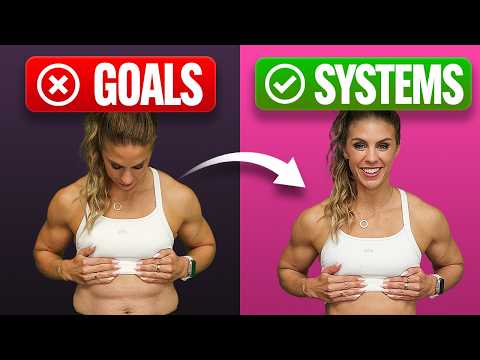
What is the difference between a goal and a system?
A goal is the result you want, like losing 20 pounds. A system is the daily process that gets you there. Nikkiey explains that hitting your protein, scheduling your lifts, planning meals, drinking water, getting steps and going to bed on time are the system, and a goal without one is just wishful thinking.
Read the answer →

Consistency & Mindset
How do I stop negative self-talk about my body?
Start by noticing the voice, then interrupt it. On Ep. 212, Jennifer Joy Jimenez says to find an internal pause button and ask whether you'd say those words to your child or best friend. Nikkiey adds rewriting the belief into an "I am" statement and changing the words you use about your effort.
Read the answer →
Consistency & Mindset
Should I wait until January to start getting in shape?
No. Nikkiey's answer is to start now. She calls January 1st a date with cultural permission attached, not a reset button. Women who start in the fall or keep moving through the holidays walk into January with months of habits and momentum, while those who wait often start from a deficit and quit by mid-January.
Read the answer →

Consistency & Mindset
What should I do when my family doesn't support my fitness goals?
Stop trying to win their approval. Nikkiey says it isn't your job to convince anyone, because how people react to your growth says more about them than about you. Have an honest conversation with the people closest to you, create distance from the negativity, find a supportive tribe, and keep showing up for yourself.
Read the answer →
Watch or listen in full
More on this topic →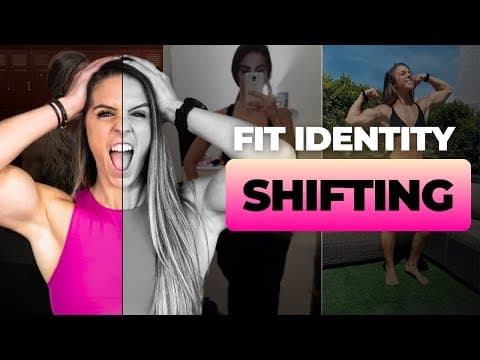 29 min
How to Build a Fit Identity and Stop Self-Sabotaging
Episode 246 · Mar 31, 2025
 18 min
How to Stop Starting Over and Actually Take Action
Episode 11 · Feb 1, 2023
 22 min
How to Stop Making Excuses and Finally Follow Through
Episode 314 · Nov 24, 2025