

 33 min
Calories vs Macros: What Women Over 40 Need to Know
Episode 303 · Oct 17, 2025
106 episodes
From Nikkiey Stott and the WarriorBabe coaching team · Updated Oct 25, 2026
Maybe you have counted calories for years. You hit your number, the scale went down, and you still ended up tired, soft and frustrated, a smaller version of the same body. Or maybe you have been logging your food faithfully for months and nothing is changing. Either way, it is easy to conclude that your body is broken after 40. The episodes on this page make a different case: you are probably missing information, not willpower.
33 minEpisode 303 · Oct 17, 2025
 27 min
Episode 146 · Apr 12, 2024
 34 min
Episode 55 · May 15, 2023
 9 min
Episode 77 · Jul 7, 2023
 31 min
Episode 350 · Apr 6, 2026
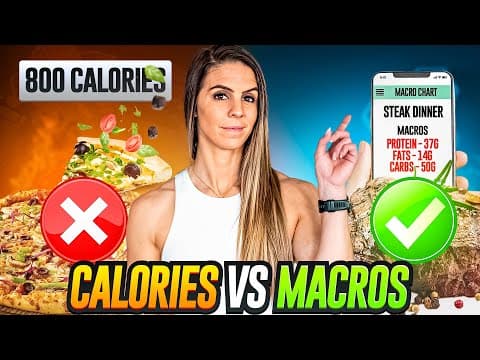
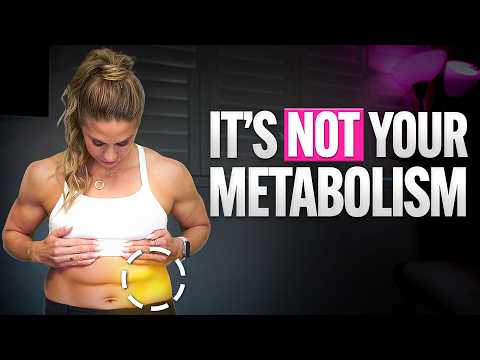
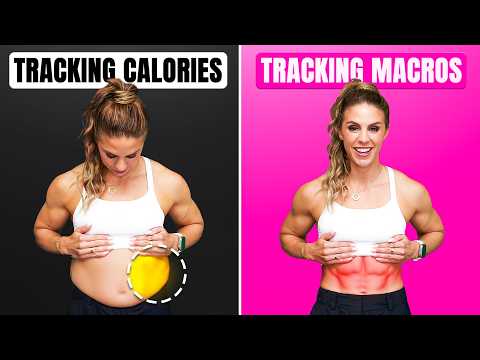
The show's view is not that calories don't matter. In "Macros vs Calories: Which Works Better for Women Over 40?" Nikkiey Stott is clear that energy balance is the foundation of fat loss. But calories only tell part of the story. In "Calories vs Macros: What Women Over 40 Need to Know," she explains that calories decide whether you lose or gain weight, while macros (protein, carbs and fats) decide what your body actually looks like. Protein is the builder, carbs are the fuel and fats are the regulator. Without enough protein, a deficit costs you muscle along with fat. Her one-line summary: calories tell you how much, macros tell you what. She also frames macros as a skill you learn for life, not another diet.
Tracking does not have to start complicated. In "How to Start Tracking Macros When You've Never Done It," Nikkiey walks through how WarriorBabe coaches start beginners: a week of logging what you normally eat in MyFitnessPal without cleaning anything up, then a focus on protein alone, starting closer to 100 grams split across your meals. Carbs and fats come in once protein is consistent. "How to Start Counting Macros Without Getting Frustrated" adds the habits she wishes she had known early: plan your whole day the night before instead of tracking as you go, aim for plus or minus five grams, and count hitting your targets most of the time as winning. Repeating the same meals makes all of this easier.
If you are already tracking and stuck, "Tracking Macros but Not Losing Weight? 7 Common Mistakes" is the episode to hear. Nikkiey explains the difference between tracking and tracking accurately: eyeballing weekends, measuring in cups instead of weighing in grams, skipping bites, licks, tastes, oils and sauces, chasing percentages instead of fixed grams, and saving your macros for the end of the day. She points out that 200 untracked calories a day adds up to an extra day of eating every week, and she ends with a simple seven-day audit. "Can You Trust Your Fitness Tracker's Calorie Burn?" covers another common trap: eating back calories your watch or app says you burned.
Expect a learning curve. Nikkiey describes spending an hour or more planning a day when she started, and logging in a few minutes now. The payoff, as she explains in "Is Tracking Macros Restrictive? How It Leads to Food Freedom," is knowing what is on your plate well enough that you eventually do not need to track everything. Start with "Calories vs Macros: What Women Over 40 Need to Know" for the why, move to "How to Start Tracking Macros When You've Never Done It" for the how, and come back to the seven mistakes episode once you have a few weeks of data.
Macros & Macro Tracking
No. Nikkiey is clear that you don't have to track macros for the rest of your life. Tracking and weighing your food is a temporary, educational phase that teaches you what real portions of protein, carbs and fat look like. Do it consistently for a couple of years and it becomes second nature.
Read the answer →
Macros & Macro Tracking
Make the job smaller at first. The women on the show who stuck with it started small: tracking only protein, planning one day and repeating it, or picking a few meals from a sample plan. Nikkiey says week one might take half an hour a day, but by week three or four it takes five to ten minutes.
Read the answer →
Macros & Macro Tracking
Start by learning to track before chasing any numbers. Nikkiey has beginners log what they normally eat in MyFitnessPal for seven days, then focus on protein first and add fats and carbs later. Keep your meals simple and repetitive for the first few weeks so tracking becomes a skill, not a source of overwhelm.
Read the answer →
Macros & Macro Tracking
Order simple dishes you can estimate, like salmon with rice and vegetables, ask for sauce on the side, ballpark the portion, find something similar in your app, log it and move on. Weighing food at home trains your eye, and asking for extra protein keeps you on track. The goal is consistency and awareness, not perfection.
Read the answer →
Macros & Macro Tracking
For most women over 40 who want to change how their body looks, yes. Nikkiey explains that macro tracking isn't an alternative to counting calories; it's the more complete version. Calories alone can get the scale moving, but you'll lose muscle with the fat. Tracking protein, carbs and fat lets you lose fat while keeping muscle.
Read the answer →
Macros & Macro Tracking
Yes. Across The WarriorBabe Show, Nikkiey's position is that treats work when they fit your numbers and stay the minority of what you eat, roughly 80% quality food and 20% fun food. She has two to four pieces of dark chocolate most nights, and members fit in cookies, pizza and ice cream swaps while losing fat.
Read the answer →
 20 min
Episode 404 · Oct 12, 2026
 39 min
Episode 400 · Sep 28, 2026
 33 min
Episode 383 · Jul 31, 2026
 31 min
Episode 380 · Jul 20, 2026
 29 min
Episode 379 · Jul 17, 2026
 42 min
Episode 378 · Jul 13, 2026
 35 min
Episode 377 · Jul 10, 2026
 44 min
Episode 372 · Jun 22, 2026
 1 hr 1 min
With JJ Virgin
 38 min
Episode 370 · Jun 15, 2026
 34 min
Episode 364 · May 25, 2026
 26 min
Episode 362 · May 18, 2026
Tracking macros still involves counting calories, but it also shows you where those calories come from: protein, carbs and fats. Nikkiey Stott explains that calories decide your weight loss, macros decide how firm and toned you look, and food quality decides how you feel.
No. The WarriorBabe approach is to log what you normally eat for seven days, then focus only on a protein target, often starting around 100 grams spread across your meals. Nikkiey explains that women who try to track all three from day one tend to get overwhelmed and quit, so carbs and fats come in once protein is consistent.
In the macros vs calories episodes, Nikkiey shares a starting point of roughly 0.8 to 1 gram per pound of body weight, based on goal weight if you have a lot to lose. She recommends working up to it gradually rather than jumping straight to a big number.
Nikkiey says there is a big difference between tracking and tracking accurately. Common culprits include eyeballing weekends, measuring in cups instead of weighing in grams, skipping bites, oils and sauces, and never updating your targets, and she suggests a focused seven-day audit to find the gap.
Nikkiey cautions against it, citing studies showing tracker estimates can be off by 20 to 80 percent, which is how women end up eating back calories they never burned. She suggests leaning on progress photos, measurements, your lifts, biofeedback and how consistently you hit your weighed and logged macros.
No. Nikkiey treats tracking as a skill that teaches you portion sizes and what foods are made of, so you can eventually eat more intuitively. She describes it taking a couple of years of consistent tracking first, and recommends going back to tracking for a week whenever you feel off.