

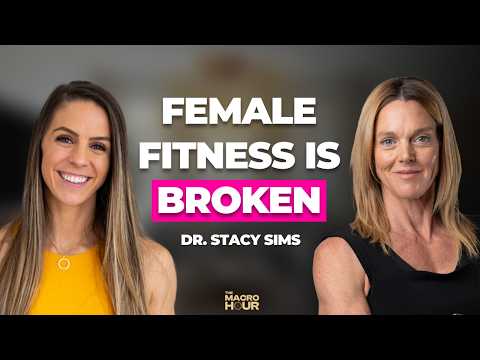
 1 hr 3 min
Why a 1200-Calorie Diet Fails Women Over 40
With Dr. Stacy Sims
77 episodes
From Nikkiey Stott and the WarriorBabe coaching team · Updated Oct 25, 2026
If you have spent years losing and regaining the same 10 or 20 pounds, living on 1,200 calories, cutting carbs, trying keto or fasting until one meal a day, and still feel stuck, you are not alone, and you are not broken. Many women on The WarriorBabe Show describe the same pattern: a diet works for a while, life gets busy, the weight comes back, and the next plan cuts even deeper.
1 hr 3 minWith Dr. Stacy Sims
 28 min
Episode 284 · Aug 11, 2025
 28 min
Episode 308 · Nov 3, 2025
 22 min
Episode 26 · Mar 8, 2023
 50 min
With Abbey Sharp
Host Nikkiey Stott's core message is that the problem was never your willpower. It is the approach. In Is Metabolic Damage Real? How Long Metabolism Repair Takes, she explains that your metabolism isn't damaged. It has adapted. A long, deep deficit makes your body lower its burn, raise hunger and give up muscle to save energy. In Why a 1200-Calorie Diet Fails Women Over 40, Dr. Stacy Sims explains that 1,200 calories barely covers an average resting metabolic rate, so the body reads it as a threat. Most women, Nikkiey says, are underfed rather than overeating, and the fix is usually more food, brought up slowly, paired with strength training.
If that sounds like you, start with Signs You're Not Eating Enough as a Woman Over 40, which walks through fatigue, mood swings, bloating, poor sleep and stalled fat loss as signs you need more fuel. Then listen to Reverse Dieting for Women Over 40: Do You Need One? for the step-by-step WarriorBabe approach to raising calories toward maintenance. Why Your Reverse Diet Didn't Work and How Long It Takes is worth hearing if you've tried this before and panicked when the scale moved.
The show also takes on the specific tools diet culture sells. On intermittent fasting, Nikkiey calls it a tool that can work for weight loss but not the one she'd choose for building muscle, and Can You Build Muscle While Intermittent Fasting? explains how to do it better if you want to keep fasting. Cheat Meals vs Refeed Days: When and How to Use Them treats planned breaks as a strategy rather than a failure. Do Carbs Make You Fat? and How to Stop Food Cravings Without Restrictive Dieting, with dietitian Abbey Sharp, help you stop labeling foods as good or bad.
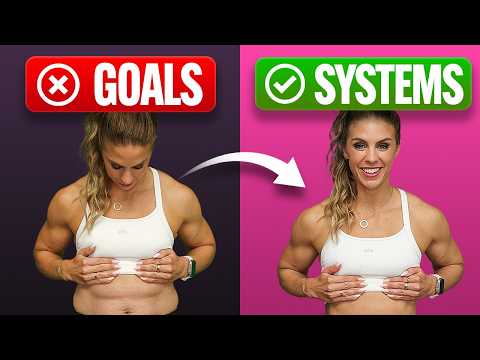
Breaking the cycle is as much mindset as macros. How to Lose Weight and Keep It Off for Good and Goals vs Systems: How to Stop the Yo-Yo Diet Cycle explain why habits and systems, not quick fixes, make results last. How to Stop Dieting for Good Without Losing Control covers the uncomfortable identity shift when you step off the diet wheel. Nikkiey's view throughout is that macros are a lifelong skill set, not another diet.
Finally, hear from women who lived it. Debra, at 57, went from about 1,200 to roughly 2,200 calories during her retrain and now maintains at 149 pounds. Amy lost more than 40 pounds in menopause after starting at 1,400 calories with no running. Their stories show what changes when you stop starving yourself and give the process time.
Diets, Fasting & Diet Culture
Eating 1,200 calories is often too little, not too much. Dr. Stacy Sims explains it sits around an average resting metabolic rate, so your body treats it as a threat, conserves energy and breaks down lean mass. Long-term dieting also adapts your metabolism down. Before cutting further, check your tracking is accurate.
Read the answer →
Diets, Fasting & Diet Culture
No. Nikkiey explains that carbs on their own don't make you gain fat. Eating more calories than your body burns does, whether those calories come from carbs, fat or protein. Carbs are stored as glycogen, which holds about three grams of water per gram, so the scale can rise temporarily without any fat gain.
Read the answer →

Diets, Fasting & Diet Culture
No. On The WarriorBabe Show, Nikkiey's position is that you don't need to cut carbs to lose fat. She calls carbs fuel, not the enemy, and says very low carb mostly drops water weight at first. Over time, under-eating carbs can drain your energy, hurt your workouts and make building muscle nearly impossible.
Read the answer →

Diets, Fasting & Diet Culture
According to Nikkiey, the weight comes back because the diet changed the outcome, not the habits underneath it. Quick fixes built on heavy restriction work for a while. Then the plan ends, you go back to normal, and normal recreates the old body. Most women don't have a weight loss problem; they have a keep-it-off problem.
Read the answer →
Diets, Fasting & Diet Culture
Fad diets don't work long term because they are built for fast results through extreme restriction, not for real life. Nikkiey explains that when the program ends, the foods you cut out come back, often more than before, and so does the weight. Nothing teaches you how to keep the results afterward.
Read the answer →

Diets, Fasting & Diet Culture
Stop treating it as a 30-day diet and start building habits, beliefs and skills that outlast the plan. Nikkiey explains that the same 10 pounds keep coming back when old habits return after a diet ends, when you quit before your body responds, and when nobody teaches you how to move from fat loss into maintenance.
Read the answer →
 57 min
Episode 389 · Aug 21, 2026
 28 min
Episode 376 · Jul 6, 2026
 44 min
Episode 372 · Jun 22, 2026
 38 min
Episode 370 · Jun 15, 2026
 56 min
Episode 360 · May 11, 2026
 34 min
Episode 354 · Apr 20, 2026
 20 min
Episode 343 · Mar 9, 2026
 29 min
Episode 326 · Jan 9, 2026
 29 min
Episode 320 · Dec 19, 2025
 56 min
With Steven Rofrano
Episode 316 · Dec 1, 2025
Episode 310 · Nov 10, 2025
Dr. Stacy Sims explains that 1,200 calories barely covers an average resting metabolic rate, so the body treats it as a threat, breaks down lean mass and holds on to fat. Nikkiey Stott says the answer is usually to eat more, gradually, while strength training, rather than cutting further.
Nikkiey Stott says your metabolism isn't damaged, it has adapted to a long deficit. She estimates mild adaptation can take six to 12 weeks to repair, a year or more of restriction about three months or longer, and long-term chronic restriction six months to a year.
The WarriorBabe approach is to track about seven days to find your baseline, then add roughly 100 to 150 calories at a time with protein first. You hold each step for one to two weeks while watching biofeedback, and repeat until you reach maintenance.
Nikkiey sees intermittent fasting as a tool that can work for weight loss but not the best choice for building muscle, because short eating windows make it hard to get enough calories and protein. If you keep fasting, she suggests planning meals to hit your targets, not extending the fast much beyond sleep, and training inside your eating window.
Nikkiey says a planned break can be a smart strategy, though if you have a lot of weight to lose it might come once a month rather than weekly. She recommends scheduling it around a big training day, eating until comfortably full without guilt, and never letting one meal turn into a cheat day or week.
According to Nikkiey, most diets rely on extreme deficits and strict rules with no plan for returning to real life, so the results only last while you're on them. She recommends building daily systems and learning macros as a lifelong skill instead of starting the next quick fix.