

 29 min
Does Alcohol Stop Fat Loss and Muscle Gain After 40?
Episode 107 · Nov 27, 2023
66 episodes
From Nikkiey Stott and the WarriorBabe coaching team · Updated Oct 25, 2026
You eat well, you train hard and you stay consistent, yet you still feel like you are fighting your body. You wake up tired, stay sore for days, crave sugar at night and watch the scale sit still. On The WarriorBabe Show, Nikkiey Stott keeps coming back to the same answer: the problem often isn't your food or your workouts. It's what happens outside the gym. Sleep, alcohol, stress and how much recovery you give your body decide whether your effort turns into results.
29 minEpisode 107 · Nov 27, 2023
 26 min
Episode 295 · Sep 19, 2025
 29 min
Episode 331 · Jan 26, 2026
 51 min
With Dr. Peter Martone
 27 min
Episode 157 · May 20, 2024
Start with sleep. In "Can Poor Sleep Stop Fat Loss After 40?" Nikkiey explains that poor sleep pushes your hunger hormone ghrelin up, your fullness hormone leptin down and cortisol up, so the cravings after a bad night are biology, not a willpower failure. In "How to Sleep Better: The Best Sleep Position and Habits," chiropractor Dr. Peter Martone describes poor sleep as a nervous system imbalance rather than a willpower problem and shares practical tools for falling asleep. The basics repeat across episodes: aim for seven to nine hours, keep the same sleep and wake times on weekends too, and keep your room cool and dark with the phone outside.
Alcohol is the next honest conversation. In "Does Alcohol Stop Fat Loss and Muscle Gain After 40?" Nikkiey walks through five ways she explains alcohol works against muscle and fat loss, and shares that after a couple of drinks her Oura Ring shows her HRV dropping from around 200 to about 50 and her deep sleep falling from two to three hours to roughly 30 minutes. She isn't telling you to never drink. In "Does Alcohol Stop Fat Loss? What Women Over 40 Should Know" she makes the point that one intentional night won't wreck your results. Frequency and pattern are what move the needle.
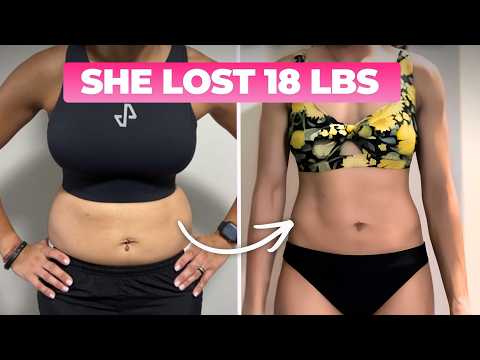
Then there is the belief that more is always better. Krista, in "Gained Weight at 40 Despite Working Out? What Worked," learned she had been overtraining, doing weights and cardio every day plus a weekly dance class without enough recovery. In "Do Women Over 40 Need Rest Days to Build Muscle?" Nikkiey explains that muscle is broken down in the gym and rebuilt during rest, and her deload episodes show why a planned easier week is part of the program, not a lack of commitment.
Wearables can help, as long as they stay a tool. In "How to Use a Fitness Wearable Without Obsessing Over It," Nikkiey points you to a few metrics worth watching, like heart rate variability, sleep quality, resting heart rate and readiness, and warns against letting the numbers control you. Her episode "What Is Biofeedback? Signs Your Fat Loss Plan Is Off" goes further, showing how your energy, sleep, hunger, digestion, mood and recovery tell you what your body needs.
If you are not sure where to begin, start with the biofeedback episode. Rate yourself one to five on each marker, find the area that is weakest, then go to the sleep, alcohol or recovery episodes that match it. Pick one change, start small and give it time.
Sleep, Recovery & Lifestyle
Start with the basics Nikkiey returns to again and again: cut screens and bright light before bed, keep your room cool and pitch black with the phone out, and go to bed and wake at the same times. Then try Dr. Stephen Cabral's 3-2-1 rule: no food three hours before bed, no liquids two hours, no screens one hour.
Read the answer →
Sleep, Recovery & Lifestyle
Recover faster by fixing your recovery inputs, not by pushing harder. Nikkiey points to sleep, eating enough (especially protein), and hydration, plus not hammering the same muscles over and over. She recommends spreading leg work across full-body sessions instead of one brutal leg day, and treating soreness past 72 hours as a sign to reassess.
Read the answer →
Sleep, Recovery & Lifestyle
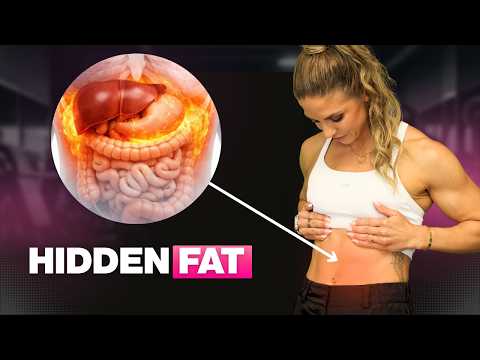
Poor sleep works against fat loss on several fronts. Nikkiey explains that it raises your hunger hormone ghrelin, lowers your fullness hormone leptin, and raises cortisol, which she says signals your body to hold fat, break down muscle and become more insulin resistant. That means you can be in a calorie deficit and still stall.
Read the answer →
Sleep, Recovery & Lifestyle
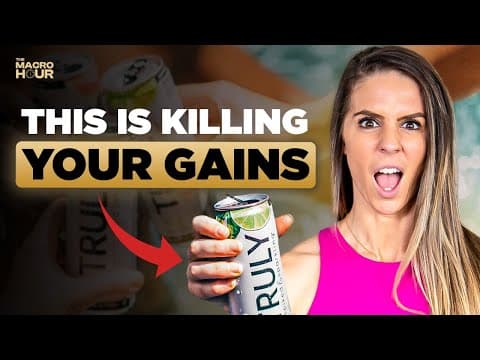
Yes. Nikkiey explains that alcohol may help you fall asleep faster, but it disrupts deep and REM sleep later in the night, raises your heart rate and body temperature, and wakes you up. That poor sleep then raises cortisol, shifts hunger hormones, increases cravings and hurts your next workout for 24 to 48 hours.
Read the answer →
Sleep, Recovery & Lifestyle
Aim for seven to nine hours a night. Nikkiey explains that most adults need that range to support the hormones that drive hunger, cravings, recovery and fat storage. If you're getting five or six hours now, don't overhaul everything overnight. Add 15 to 30 minutes at a time until you get there.
Read the answer →
Sleep, Recovery & Lifestyle
Take at least two rest days a week, Nikkiey says, and one of them can be active recovery like a walk, yoga, stretching or mobility work. She trains four days a week herself. One, two or even three rest days won't stall your progress. They help it, because rest is when muscle is built.
Read the answer →
 27 min
Episode 401 · Oct 2, 2026
 20 min
Episode 397 · Sep 18, 2026
 50 min
Episode 385 · Aug 7, 2026
 42 min
Episode 378 · Jul 13, 2026
 30 min
Episode 366 · Jun 1, 2026
 27 min
Episode 359 · May 8, 2026
 20 min
Episode 346 · Mar 23, 2026
 26 min
Episode 345 · Mar 16, 2026
 26 min
Episode 344 · Mar 13, 2026
 45 min
With Scott Chaverri
 25 min
Episode 319 · Dec 15, 2025
 56 min
With Steven Rofrano
Nikkiey Stott explains that poor sleep raises ghrelin and cortisol and lowers leptin, so you feel hungrier and less satisfied while your body holds on to midsection fat. Muscle repair, driven largely by growth hormone during deep sleep, also gets shortchanged, which is why she treats sleep as a real fat loss strategy.
Nikkiey recommends seven to nine hours, with the same sleep and wake times on weekends too. She suggests a short wind-down routine, cutting late caffeine, skipping large meals and alcohol close to bed, and keeping your room cool and dark with the phone out of it.
Nikkiey doesn't tell you to never drink, but she explains that alcohol pauses fat burning while your liver clears it, lowers your food inhibitions, hurts deep and REM sleep and raises cortisol. Her focus is frequency and pattern: decide in advance whether you're drinking and how much, choose lower-calorie options and get right back to your routine the next day.
Nikkiey describes overtraining signs as persistent fatigue, worse performance, higher injury risk, poor sleep and mood changes, along with soreness that still lingers at 72 hours. Stories like Krista's and Kathy's show women making progress after their coaches cut back their training and gave them more recovery.
Nikkiey's view is that a single week of reduced training does not cause muscle loss, and that muscle is actually built during rest, not in the gym. Keep your protein and calories steady during a deload and prioritize sleep.
They can show you patterns you'd never catch on your own, like what a glass of wine does to your deep sleep. Nikkiey suggests establishing a baseline, focusing on one or two metrics such as HRV or sleep quality, and using the data to inform your choices rather than control them.