

 39 min
How to Stop Extreme Dieting and Find Balance With Macros
With Lindsey Matthews
Guest on the show
39 minWith Lindsey Matthews
 55 min
With Lindsey Matthews
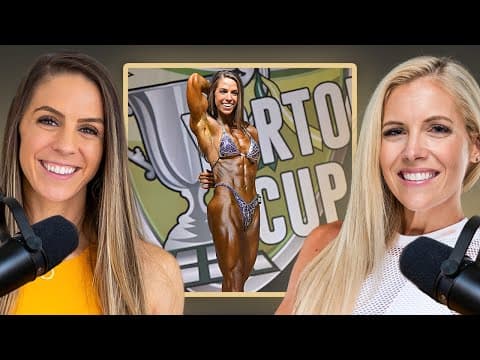
Nikkiey Stott joins Trainer Lindsey on the Nourish and Strengthen podcast, rebroadcast here, to tell the story most women never hear behind a competition body. She went from Googling what protein was in 2015 to winning bodybuilding shows. Then came gaining 25 pounds in the month after a show, years of weight swinging up and down, and two hospital stays during an eight-month pro prep. One was for rhabdomyolysis after training up to three times a day. The other was for severe constipation on just 14 grams of fat a day.
From there, Nikkiey explains why she became the queen of macros. Calories alone don't tell you where your food is coming from. Protein, carbs and fat each do a different job for body composition, health and mood, and getting them right matters more as muscle and bone density decline with age. She also describes what healthy living looks like for her now. She trains about half as much as she used to and doesn't track at restaurants or with family. Years of practice mean she can look at a plate and know what's on it.
The episode closes with a game of overrated or underrated. Nikkiey's verdicts: cardio for weight loss, motivation, intermittent fasting, tracking macros on vacation and the scale are overrated. Breathwork and maintenance calories are underrated. Creatine is properly rated.
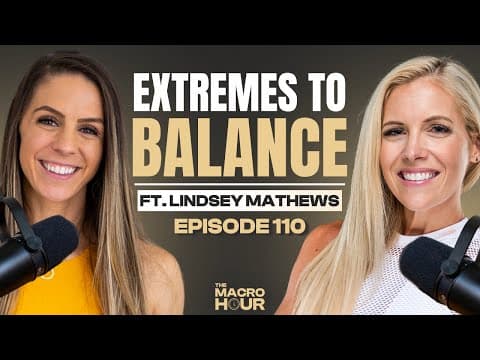
Lindsey Matthews, known as Trainer Lindsey, went from a last-place finish at her first bikini show to back-to-back competitions in 2018. She spent that summer extremely lean, at times doing 70 minutes of cardio seven days a week. After a careful reverse diet, her weight kept climbing for months no matter what she tried, including strict keto, carnivore, intuitive eating and deficits. She gained 50 pounds over her stage weight, and her labs showed high cortisol, low thyroid and low progesterone. She tells Nikkiey Stott she believes the cause was the accumulated stress of living at the extremes.
What finally turned it around was doing less. Her coach cut all cardio except easy walks, dropped her lifting from six days to three with no training to failure, and added weekly restorative yoga. Once her labs improved, he moved her into a deficit. She then lost the last 20 to 25 pounds over about a year and a half, in 10-pound chunks with long maintenance breaks in between, and has kept it off for about two and a half years.
Nikkiey and Lindsey also cover why running for stress relief still puts stress on your body, the one-year mindset, why skipping a workout when you are sore or short on sleep is the smarter choice, and how a few bites of a treat every night ends the urge to overeat it. They also talk about starting macro tracking simply with calories and protein, giving it two weeks, and dropping the all-or-nothing thinking that sends you to the pantry.
Fat Loss After 40
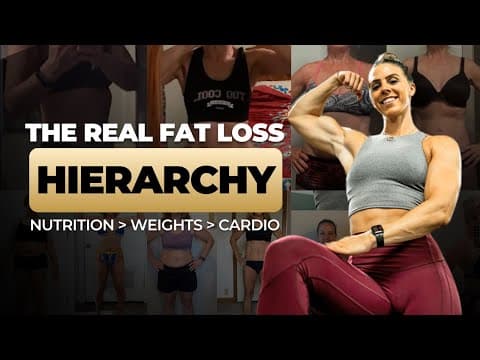
Weight training wins. Nikkiey explains that cardio burns calories only while you're doing it and doesn't create long-term changes in your metabolism, while muscle keeps burning calories at rest. Her priority order for fat loss is nutrition first, then weights, then cardio, because you can't out-train a diet that isn't dialed in.
Read the answer →
Macros & Macro Tracking
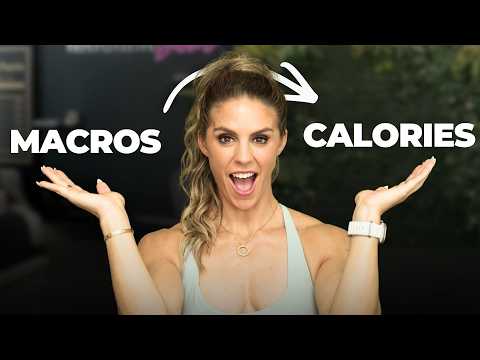
For most women over 40 who want to change how their body looks, yes. Nikkiey explains that macro tracking isn't an alternative to counting calories; it's the more complete version. Calories alone can get the scale moving, but you'll lose muscle with the fat. Tracking protein, carbs and fat lets you lose fat while keeping muscle.
Read the answer →
Diets, Fasting & Diet Culture
No. Nikkiey Stott says intermittent fasting isn't necessary for fat loss. A calorie deficit combined with physical activity and strength training is what drives it. She calls fasting overrated for healthy women, warns that skipping meals often leads to overeating later, and says your muscle needs regular fuel to be built and repaired.
Read the answer →
Supplements & Creatine
Nikkiey says creatine can be a smart addition for many women in menopause who want to keep or build muscle and strength. As estrogen drops, the risk of osteoporosis and fractures rises, and she notes creatine is commonly used by older adults for muscle support. She advises checking with your doctor first and staying well hydrated.
Read the answer →

Food Noise, Cravings & Overeating
Stop treating sweets as forbidden, then build the discipline to stop when you've had enough. Nikkiey and her guests say that when a food is allowed every day, the urge to overeat it mostly fades. Decide how much is enough, savor it, give your body time to register fullness, and put the rest away.
Read the answer →
Holidays, Travel & Social Life
Nikkiey's approach is to eat well during the day and enjoy a smart free meal at night, like an entree and a dessert. Cook breakfast, lunch and snacks at your rental, pack food for the beach, skip tracking macros, and get right back to your routine the day you get home.
Read the answer →
Nikkiey explains that protein, carbs and fat each affect body composition differently: protein to build and repair muscle, carbs for energy and fat for hormone production. A calorie target alone doesn't show whether those calories are mostly carbs and fat, and you need protein to change your body composition.
Nikkiey rates cardio for weight loss as overrated. Cardio burns calories in the moment, but she says strength training keeps muscle working all day, supports metabolism and gives the toned look many women want, while cardio alone makes you a skinnier, fatter version of yourself.
Nikkiey calls intermittent fasting overrated. She says there may be a right time for it for people addressing specific health issues, but if you're healthy you can stick to the basics and learn how to eat without time restrictions or eliminating foods.
Nikkiey says no: memories over macros, because the holidays are only about 3% of your year. She also warns not to let the holidays become eight weeks off track, and to treat them as a temporary pause in your routine.
Nikkiey explains that carbs are stored as glycogen in your muscles and liver to fuel workouts, and that stored glycogen holds about three times its amount in water. That's water weight, not fat, and the scale can't tell you about muscle, fat, bone or water.
Nikkiey rates creatine as properly rated and says she changed her mind about it. She says it can help keep muscle mass intact and keep women strong through aging and menopause, but advises consulting your doctor, especially if you're not drinking enough water.