

 42 min
How a Busy Mom of 4 Built Muscle and Got Lean With Macros
With Andrea Simulis
Guest on the show
42 minWith Andrea Simulis
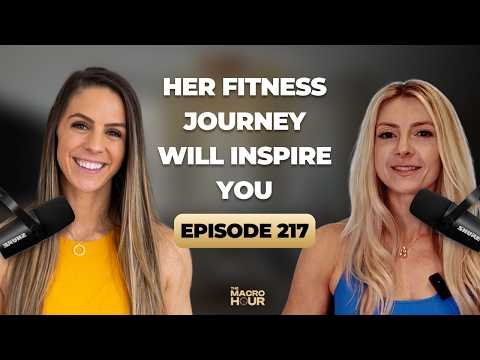
At 35, Andrea Simulis was doing what she had always done to stay thin: eating as little as possible. It had stopped working. She looked skinny fat, not toned. A 60-day fat loss challenge at her gym showed her the truth. Once the fat came off, she had very little muscle underneath, and she couldn't live on 1,400 calories forever. So she let go of her fear of looking bulky, learned macros, and spent the next two years eating to build and keep muscle instead of dieting. That is how she got the lean arms and maintainable six-pack she had always wanted.
Nikkiey Stott and Andrea talk about how a mom of four with a traveling husband and no family nearby found the time to train. They cover why so many women over 40 can't build muscle while they keep under-eating, and why working in phases helps: lose the fat first, then build. Andrea explains how she lean bulked by slowly adding calories and more fat, like whole eggs instead of egg whites, so she stayed full without regaining fat.
Then Andrea shares the hardest chapter of her life. In December 2022, a helicopter she and her husband were touring the Grand Canyon in crashed. She spent two weeks in the hospital and had six surgeries, months on an external fixator and 16 weeks of non-weight bearing. She describes cutting her calories while staying above her BMR, using TRX and Bosu to rebuild her legs, and keeping more in her basket than her looks and her workouts. Her advice for anyone feeling stuck is to keep it simple, start with any movement you'll do consistently, and celebrate every small win.
Strength Training for Women
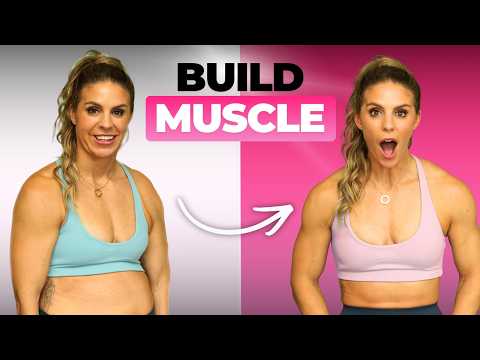
Start small and start now. Nikkiey says you don't need to go full bore in week one: get to the gym twice a week or buy dumbbells for home, then train about three times a week doing 8 to 15 reps, with the last three reps challenging and proper form. A plan or coach helps.
Read the answer →
Building Muscle After 40
Most often, your training isn't challenging your muscles enough or your eating isn't fueling them. Nikkiey points to switching workouts constantly, going through the motions without adding weight or intensity, and under-eating, plus poor sleep, stress and recovery. Her fix: run one program for six to eight weeks and make the last three reps of every set hard.
Read the answer →
Consistency & Mindset
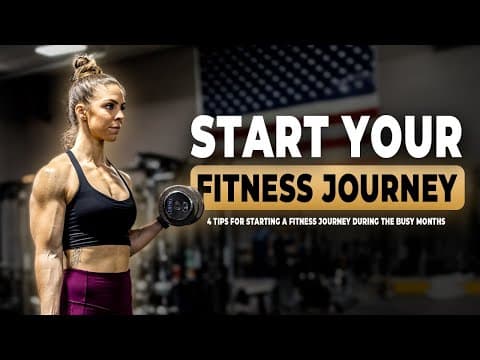
You don't need more hours; you need to put yourself on the schedule you already have. Nikkiey suggests checking your phone's screen time and giving an hour of scrolling or TV to a 30-minute workout or meal planning, then blocking workouts on your calendar and adjusting the number of days until it sticks.
Read the answer →
Andrea's view is that you won't be bulky, but your muscles need to be a little bulkier for you to actually see them. She says even visible abs require bigger abs once the fat is gone.
Andrea lean bulked, which she describes as eating only a tiny bit more than maintenance calories, adding food slowly over a year. She added more fat to stay full and avoided jumping straight from 1,400 to 2,000 calories, which she says is how you gain fat back.
Andrea says many women over 40 are always under-eating and in a deficit while lifting and doing cardio like crazy, so they aren't eating to sustain muscle. She recommends phases: a fat loss phase, such as 12 weeks, and then a focus on building muscle.
Andrea found a gym with childcare that gave her an hour to herself, pushed her kids in strollers for cardio, and used short lifting blocks. She says to fit your responsibilities in and use the dead space in your day, even 10 minutes of core.
Andrea says to keep it simple and stop searching online for hacks. Start with any movement you'll do consistently, like a group class, and learn how simple macros are, even just by planning your meals for the week on a Sunday.
She dropped from about 2,400 calories to 1,700, which she says was still above her BMR and enough to recover her bones, while keeping her macros good with smaller portions. She made a point of not turning to food emotionally.