

 1 hr 0 min
Can Whole Foods Improve Gut Health and Mood After 40?
With Autumn Smith
Guest on the show
1 hr 0 minWith Autumn Smith
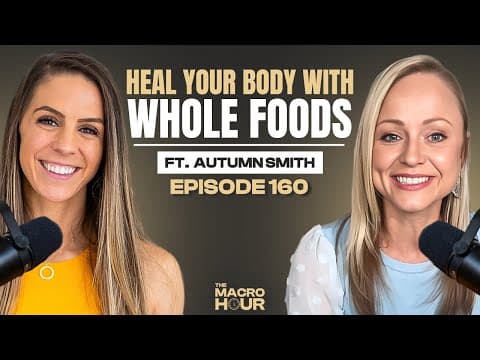
Autumn Smith, co-founder of Paleovalley, spent years with digestive problems that doctors called irritable bowel syndrome, followed by mental health struggles that therapy and medication didn't fix. She shares that when she removed her problem foods and followed a whole food template, her digestive issues cleared in 30 days. That experience took her from celebrity fitness trainer to a master's and a doctorate in holistic nutrition, and led her and her husband Chas to build Paleovalley.
Nikkiey Stott and Autumn talk about reading ingredient labels, why grass-fed is not the same as grass-fed and grass-finished, and Autumn's view that the fear of meat comes more from religion, marketing and activism than from science. She explains why she is so focused on omega-3 fatty acids, why grass-fed beef can be one source of them, and why Paleovalley adds colostrum to its whey protein.
Autumn closes with the three dietary steps that helped her mental health: find your own inflammatory foods, stabilize your blood sugar by building meals around protein, and add nutrient-dense foods like organ meats and fish. Nikkiey also shares how quitting caffeine has left her calmer and clearer-headed.
Autumn explains that all cattle start their lives on grass, so the finishing diet is what matters. She says the grass-fed labeling regulation went away in 2016, so the label alone doesn't tell you what the animal ate, and she looks for 100% grass-fed and grass-finished, regeneratively raised beef.
Autumn says grass-fed, grass-finished beef can be a good source of omega-3 fatty acids and that studies show blood omega-3 levels rise when people eat it. She suggests it for people who don't like fish or don't want to take fish oil supplements.
Autumn describes colostrum as the mother's first milk, full of immunoglobulins, growth factors and lactoferrin. Paleovalley added it to its whey protein so people could get colostrum as part of a daily protein shake to support their immune system and gut.
Autumn shares the three steps she used: identify and avoid your own inflammatory foods, stabilize your blood sugar by prioritizing protein and pairing carbs with protein, and add nutrient-dense foods like organ meats, fish and collagen to avoid deficiencies in iron, B12 and omega-3s.
In Autumn's view, the belief that meat is bad is not rooted in science but in a mix of religious influence, vegetable oil marketing and activism. She says meat provides highly bioavailable nutrients like zinc, iron and B12, and she hopes people stop fearing meat raised in ecologically responsible ways.