

 6 min
How to Handle Comments That You Look Too Muscular
With Ida Bergfoth
Guest on the show
6 minWith Ida Bergfoth
 7 min
With Ida Bergfoth
 7 min
With Ida Bergfoth
 4 min
With Ida Bergfoth
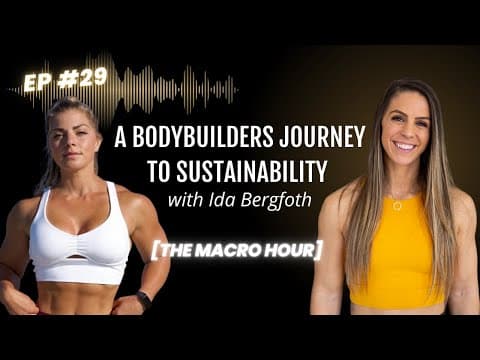 1 hr 2 min
With Ida Bergfoth
If you have ever worried that getting strong will invite comments like "you look like a man" or "that's too muscly for a woman," this conversation is for you. The coach asks bodybuilder Ida how she handles the keyboard trolls who leave those comments on her posts, and Ida's answer is simple: she is more comfortable in her own skin than she has ever been, and she is not here to please anyone's eyes.
Ida explains that her 20-year-old self would have let those comments hold her back, but she got fed up with trying to fit in. Muscle is something we all have, she points out, and as a woman she doesn't have the same hormone setup as a man, so she will never look like the guys training as hard as she does. What still bothers her is the woman reading the comments: the teenager, the 20-year-old or the woman new to this lifestyle who might take that comment as aimed at her.
The coach adds her view that the people writing these comments are insecure and wish they had the discipline and hard work to change their own bodies. The message to you: don't let someone else's opinion stop you from starting your journey. We're here to lift each other up.
Getting stage-lean is only half the story. In this clip from The WarriorBabe Show, the coach talks with Ida, a former bodybuilding competitor and coach, about what happens after the last show. The coach shares that she gained 25 pounds back in one month after a competition. Ida describes how her body never felt normal again until years after she stopped competing.
Ida's first piece of advice is to pick a coach who will still be there when the show is over. That coach keeps you accountable, guides your reverse diet and helps with the mental side. Competition-level body fat is not healthy or sustainable, especially for women. Going from shredded back to normal is hard whether you do it carefully or gain weight fast. She also explains how a 56-week diet and back-to-back competitions and photo shoots wore her down.
She also talks about how her focus shifted to a job she loved and why she no longer feels drawn to competing. Her closing point applies whether you have ever stepped on stage or not: you won't feel good about your body until you become okay with who you are and stop defining yourself by what you weigh.
What actually draws a woman to bodybuilding? In this clip, a coach talks with Ida, a figure competitor with four wins, about why she chose to step on stage. Her answer starts with the glam: the hair, the makeup, the shiny bikini and the feeling of showing off what you built. It goes deeper than that. She loved having a date to work toward her best shape, and she accepted from the start that putting yourself up to be judged against other women means bringing your A-game and letting go of what everyone else looks like.
Ida explains that figure is not always about being the most shredded. Symmetry, balance, presence and being lean in the right places matter. She describes prep as a time when you learn everything about yourself, especially on the days you are tired, feel off track and still have to go to your regular job. The coach calls it a lonely road where it is you versus you every day. Ida adds that taking care of yourself first isn't selfish, because it lets you show up better for the people around you.
Both are honest that a competition diet is extreme and uncomfortable. Ida says she doesn't recommend it to anyone who isn't willing to go the full length of that discomfort. The coach closes with what lasts: the daily discipline built during prep can carry into your whole lifestyle long after the show.
In this short conversation, Nikkiey Stott talks with coach Ida Bergfoth about the biggest hurdle she sees women face on the way to the results they want. Ida starts with discipline. She says it isn't something only certain people have. Many women simply haven't pushed far enough yet to feel the wins, and when something is completely unknown, it feels even harder to start.
Ida's view is that women's emotional depth is both a strength and a weak spot. Women care deeply about how others see them, and society still treats muscle as manly, even though men and women are the same species and both have muscles. Today women have the choice to train, but many still hold back because of what they think other people will think. She adds that most women haven't yet felt how uplifting being physically strong can be for self-esteem.
Nikkiey agrees and puts it plainly. Stop holding other people's opinions so closely. Decide what you want to accomplish, know you are fully capable of it, and let the judgment and criticism fade away.
Nikkiey Stott welcomes the show's very first guest, Ida Bergfoth, a Swedish and Nordic figure champion turned body transformation coach with Team IBFit Coaching. Ida shares how she fell in love with lifting as a teenager carrying her neighbor's tires, how training helped her cope with grief after losing her dad, and how a spontaneous ab contest on a full stomach led to four competition wins and a European Championship.
The conversation gets honest about what an extreme competition diet really costs. Ida explains why a competition body fat level isn't healthy or sustainable, why you should only hire a prep coach who will stay with you through the reverse diet, and why it took her years to find a physique she loved after 56 weeks of dieting. She also talks about why women hold back from getting strong because of what others think, and how she handles comments that she looks like a man.
Finally, Ida walks through how she eats now: choosing food for how it makes her feel rather than how it makes her look, keeping her days similar to cut down on decision fatigue, and running a slow cut where she eats the same foods in smaller amounts, expects some hunger and uses protein, water and meal timing to stay full.

Fat Loss After 40
Lean out by chasing fat loss, not weight loss: eat enough, keep protein high and make strength training your foundation. One WarriorBabe coach suggests protein of roughly 0.8 to 1.2 times your body weight, and warns that a massive deficit plus tons of cardio strips muscle along with the fat.
Read the answer →
Metabolism, Eating More & Reverse Dieting
Expect some slight hunger and treat it as normal. Nikkiey explains it means your metabolism is working. Being hungry two hours after a meal is fine, but starving 10 to 30 minutes after eating means you should reassess your protein and calories. Water, tea, coffee, closer meals and high-volume foods help.
Read the answer →
Metabolism, Eating More & Reverse Dieting
Expect to feel hungry, and plan for it. Nikkiey's three rules for a first cut are daily consistency, drinking more water when hunger hits, and eating quality macros with protein in every meal. Go slowly, keep eating foods you enjoy in smaller amounts, and start a cut when you feel strong and energized, not depleted.
Read the answer →
Diets, Fasting & Diet Culture
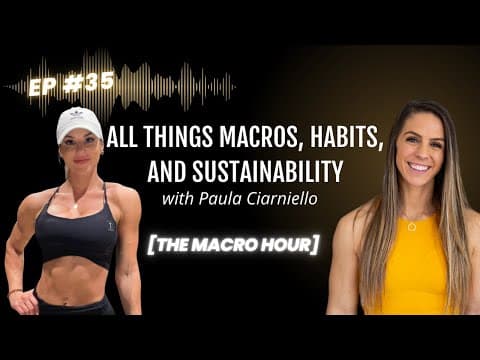
Probably not, unless you actually want to compete. On Ep. 35, Paula Ciarniello explains that a contest prep diet is not a lifestyle. It takes everyday habits to an extreme most women don't want to live with. Tracking food, hitting calories and hitting protein can get you lean in a way you can enjoy, without the prep extremes.
Read the answer →

Women's Health & Aging
You're too lean when your body stops running its basic functions. The WarriorBabe Show gives no body fat number. Nikkiey Stott and Maggie Topham point to signals: losing your period, constant fatigue, irritability, low energy and losing muscle. Ida Bergfoth adds that competition-level body fat isn't healthy or sustainable, especially for women.
Read the answer →
Ida says she simply thinks "according to you." She is comfortable in her own skin and doesn't care what an insecure person says about her physique, because muscle is something we all have according to biology.
The coach's view is that the people leaving those comments are insecure and wish they could look like these women. She says they wish they had the discipline, hard work and effort it takes to transform their body.
Ida explains that a man who trains as many hours and as hard as she does will be twice her size, because as a woman she doesn't have the same hormone setup. That doesn't stop her from looking her best or lifting the way she can.
Ida says she got fed up with feeling the need to fit in and trying to please others. She now reminds herself she is here for herself, not to please anyone's eyes, and is not trying to become anyone other than herself.
No. Ida says it isn't healthy to stay at competition body fat, especially for women, and the coach adds that it's so extreme that it isn't sustainable.
Ida says it's one of the most important things to consider. Your coach should still be there when you're done to keep you accountable, help you reverse diet and help with your mental game, even if you're a coach yourself.