

 50 min
How to Stop Food Cravings Without Restrictive Dieting
With Abbey Sharp
Guest on the show
50 minWith Abbey Sharp
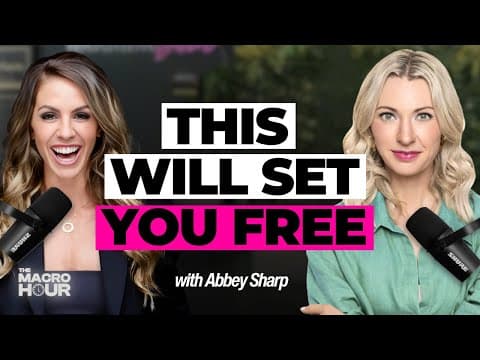
If you've spent years cutting foods out, only to end up thinking about them all day, this conversation is for you. Nikkiey Stott sits down with registered dietitian Abbey Sharp, who shares how her own recovery from an eating disorder shaped her work. She explains why SkinnyTok and the Ozempic era have pulled diet culture back into the spotlight, and why punishing your body is still being sold as self-care.
Abbey walks through her Hunger Crushing Combo: adding protein, fiber and healthy fats to your meals instead of taking foods away. She explains how adding a craved food back in knocks it off its pedestal, and what intuitive eating really means when years of dieting have left your hunger cues unreliable. She also covers why structured meals come first and how skipping breakfast often leads to the 9 p.m. chip raid.
The second half covers gut health without the hype, the gut-brain connection, and the nutrition shifts Abbey recommends in perimenopause and menopause. That means eating enough, getting protein at most meals and snacks, adding fiber, not fearing fat, and knowing when protein quality matters. She closes with a reminder that your worth isn't determined by your body or your plate.
Menopause & Perimenopause Weight Loss
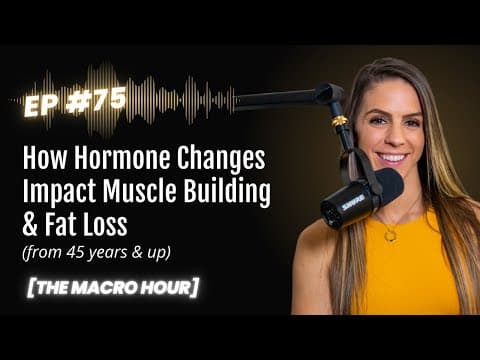
Nikkiey's recommendation is about one gram of protein per pound of body weight, so a 150-pound woman aims for roughly 150 grams a day, and that target stays the same through menopause. Guests on The WarriorBabe Show land in a similar range, and several say most women are eating far too little.
Read the answer →
Protein for Women
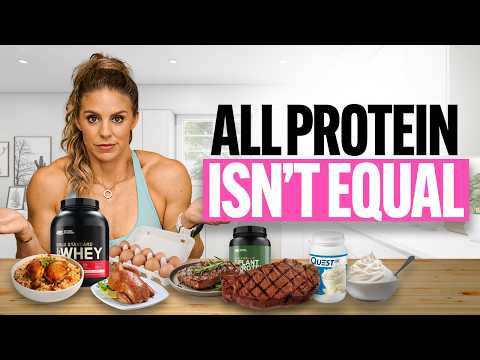
A complete protein contains all nine essential amino acids, the ones your body can't make and must get from food. An incomplete protein is missing one or more. Complete sources are mostly animal-based, like chicken, eggs, fish, Greek yogurt and whey. Incomplete sources are mostly plant-based, like nuts, beans, lentils and oats.
Read the answer →
Metabolism, Eating More & Reverse Dieting
Mostly no, according to the show. Guests on The WarriorBabe Show cite research showing metabolism stays fairly steady through midlife. What slows it is losing muscle, which happens quietly from your 30s on unless you strength train and eat enough protein. Nikkiey adds that moving less as we age plays a big part too.
Read the answer →
It's Abbey Sharp's framework for building satisfying meals by adding protein, fiber and healthy fats rather than cutting foods out. She says the combo helps stabilize blood sugar, curb cravings and keep you fuller longer without deprivation.
Abbey says you can't just jump into intuitive eating if your hunger and fullness cues are weak, because you may end up under-eating. She recommends starting with structure, balanced meals and snacks every few hours, to reawaken those cues over time.
Abbey says the data shows metabolism stays relatively consistent until about age 70. The changes in fat distribution women notice in perimenopause and menopause are a result of estrogen shifts, and she says the body needs more support at this stage, not necessarily less food.
Abbey recommends aiming for about 1.2 to 1.6 or 1.8 grams of protein per kilogram of body weight, or a little higher with fat loss goals. She suggests getting protein at every meal and most snacks rather than saving it all for one big meal.
Abbey says the body keeps a reservoir of amino acids, so as long as you eat a variety of protein sources you're generally fine. The exception she notes is protein powder, where most plant-based powders are lower in leucine than whey.
Abbey describes it as a TikTok subculture that glorifies extreme fitness and promotes disordered behaviors under the guise of wellness, discipline or femininity. She says it normalizes disordered eating and body dysmorphia and perpetuates fatphobia and weight stigma.