

 1 hr 1 min
How to Balance Hormones Naturally With Food and Exercise
With Jessica Suchan
Guest on the show
1 hr 1 minWith Jessica Suchan
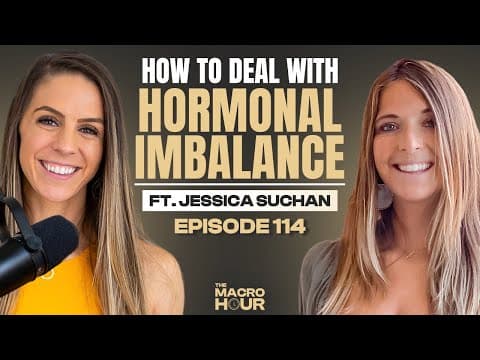
Stress isn't only a bad day at work. In this episode, holistic health coach Jessica Suchan of Body Bliss by Jess explains how skipped meals, aggressive calorie deficits, coffee on an empty stomach, sugar, nightly wine, too much HIIT and endocrine-disrupting chemicals in everyday products all add to the stress load on your body. She walks through the daily cortisol rhythm, the tired-but-wired pattern so many women live in, and the small changes that help, like water before coffee and a balanced breakfast built around at least 30 grams of protein.
Jess then breaks down the four phases of the menstrual cycle (menstrual, follicular, ovulatory and luteal) and how she adjusts food, cardio and strength training in each one. Her view is to keep strength training all month, push harder when energy and testosterone are rising, ease off HIIT before your period, and eat at maintenance with an extra protein snack the week before your period instead of fighting your hunger.
She also shares her own story: 12 years of yo-yo dieting, 1200-calorie weekdays and weekend binges, losing and regaining 45 pounds, and eventually losing her cycle. She describes how hormone testing with her mom, slowly adding carbs back, cutting back on high-intensity workouts and learning to strength train helped her get her cycle and energy back, and why that led her into coaching.
Protein for Women
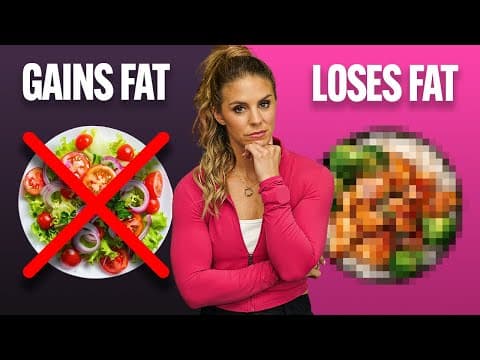
Aim for about 25 to 30 grams of protein at every meal. That's the range Nikkiey Stott returns to across The WarriorBabe Show, sometimes stretching it to 25 to 35 grams. If you're starting from a low intake, she suggests 20 to 25 grams across four or five meals as a first step.
Read the answer →
Hormones & Hormone Health
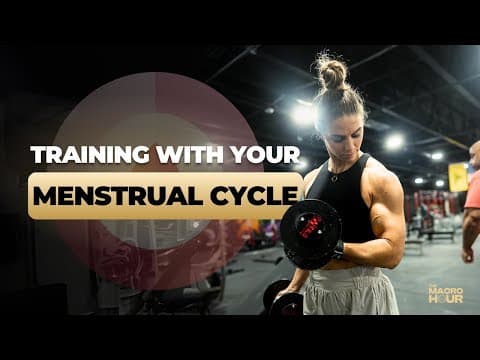
Yes, you can keep lifting on your period, but adjust rather than push. Nikkiey still shows up to keep the promise she made to herself, using lighter weights and higher reps. Guest Jessica Suchan agrees: train all month, go lighter or skip progressive overload if tired. On heavy, crampy days, a rest day is fine.
Read the answer →
Jess doesn't take coffee away. She suggests drinking about eight ounces of water first, waiting 30 minutes, and then having your coffee with or after a full, balanced meal so blood sugar and cortisol stay steadier.
Jess has clients start with at least 30 grams of protein per meal, then add at least one serving of healthy fat like avocado, nuts or nut butter, one to two servings of carbohydrates, and a fiber source with fruit or vegetables.
Jess says yes, she believes strength training is important all month long. If you feel fatigued, go a little lighter, skip progressive overload, do fewer sets or rest longer, but you don't have to stop.
Jess explains that progesterone is thermogenic and speeds up metabolism after ovulation, so she has many clients eat at maintenance at least the week before their period. She suggests adding a protein-rich snack of around 200 calories rather than fighting the extra hunger.
Jess sees ovulation, when estrogen and testosterone peak, as a good time for some HIIT, but no more than two sessions a week under 20 to 30 minutes. She recommends removing HIIT entirely in the week before your period.
Jess says a normal cycle usually falls between about 26 and 35 days, counted from the first day of bleeding to the day before your next period. A cycle outside that range, especially with symptoms like fatigue, cyclical acne or mood swings, is a sign to do some digging.