

The short answer
Not in any way that should worry you. Nikkiey explains that any macronutrient eaten in a big calorie surplus can contribute to fat storage, but protein is the hardest one for your body to convert to fat. Eaten within a reasonable calorie range and paired with strength training, high protein supports fat loss instead.
Hear it answered
Tap play to start right where it's answered. It keeps playing while you browse.
Nikkiey on why protein is the hardest macro for your body to turn into fat
Plays from 27:43 · Ep. 364: How Much Protein Do Women Over 40 Really Need?
Nikkiey on how strength training puts your protein to work instead of storing it
Plays from 24:57 · Ep. 356: How to Get Toned After 40 Without Getting Bulky
Nikkiey busts protein myths on fat storage, kidneys and absorption
Plays from 10:30 · Ep. 400: Biggest Fitness Mistakes Women Over 40 Make
The full answer
On Ep. 364, Nikkiey adds one nuance. If you eat in a significant surplus of your total calories, any macro can contribute to fat storage, because at that point you're simply eating too much. But protein has a far higher thermic effect than carbs or fats. Your body burns roughly 20 to 30 percent of protein's calories just digesting and processing it. For most women eating in a reasonable range, she says high protein won't cause fat gain. It supports fat loss by preserving muscle and keeping you fuller.
Ep. 356 adds the training piece. Protein is the building block for muscle, so when you're doing progressive strength training, where the last two or three reps of each set are genuinely hard, that protein gets used during training and recovery instead of stored as fat. Her recipe for the toned look:
- Challenging, progressive strength training
- A moderate deficit of about 300 to 500 calories below maintenance
- Protein around 0.8 to 1 gram per pound of body weight, every day
On Ep. 400 she puts it plainly: eating too much protein is not going to make you store fat, and high protein won't damage your kidneys if you're a healthy individual. Ep. 364 says the same for women with no pre-existing kidney conditions, so if you have one or any other medical condition, work with your doctor on your protein target. She also clears up the 30-gram myth: you can absorb more than that per meal, though 30 to 50 grams is the range she says optimizes muscle building.
Why she keeps pushing this: after 40, muscle loss speeds up unless you counter it, and she says the metabolism that feels slower is often years of under-eating protein, not age. When women inside WarriorBabe hit their protein consistently, she sees them fuller between meals, with more energy and far fewer cravings. Fearing protein is a plan problem, not a you problem.
From WarriorBabe's coaches (how we write our answers). For education, not medical advice: talk to your doctor about your own health.
Women also ask
More on Protein for Women →
Protein for Women
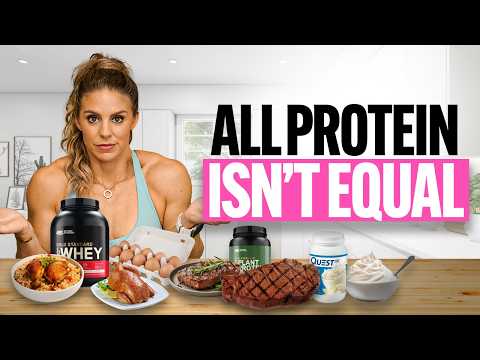
Can your body only absorb 30 grams of protein at once?
No. Nikkiey explains that your body can absorb more than 30 grams of protein in one meal. What tops out is muscle protein synthesis, the muscle-building response, at around 30 to 50 grams per meal for most women. Protein beyond that is still absorbed and used for other functions. It is not stored as fat.
Read the answer →
Protein for Women
Why do women need more protein as they get older?
Women need more protein with age because they lose muscle every decade and their bodies get worse at turning protein into muscle, which Nikkiey calls anabolic resistance. To get the same muscle-building response as a younger woman, you need more protein, not less. Eating less to lose weight usually works against you.
Read the answer →
Protein for Women
Is a high-protein diet bad for your kidneys?
For healthy women with no existing kidney condition, Nikkiey says the research does not support high protein causing kidney damage. The worry came from studies of people whose kidneys were already compromised. If you have a known kidney condition, she says to work with your doctor or a nutritionist on your protein intake.
Read the answer →

Protein for Women
How much protein do women over 40 need?
Most guidance on The WarriorBabe Show lands at about 1 gram of protein per pound of body weight per day for women over 40, based on goal weight if you have a lot to lose. Nikkiey says strength-training women may need 1.2 or even 1.3. Some episodes and guests cite 0.7 grams as the floor.
Read the answer →
Protein for Women
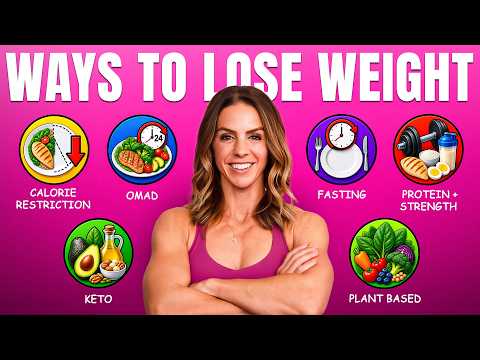
Can you get enough protein on a plant-based diet after 40?
Yes, but it takes deliberate planning. On Ep. 34, Nikkiey says women build muscle on vegan and vegetarian diets as long as they hit their daily protein target. A WarriorBabe video adds that it's genuinely difficult. Plant protein is less bioavailable and often carb-heavy, so aim above 100 grams and build every meal around protein.
Read the answer →
Protein for Women
How much protein should a woman eat a day to lose weight?
Most WarriorBabe guidance lands at roughly 0.7 to 1 gram of protein per pound of body weight, with 100 grams a day as the floor. Nikkiey Stott's rule is about your body weight in grams, or your goal weight if you have a lot to lose. Spread it across meals and build up gradually.
Read the answer →
Watch or listen in full
More on this topic →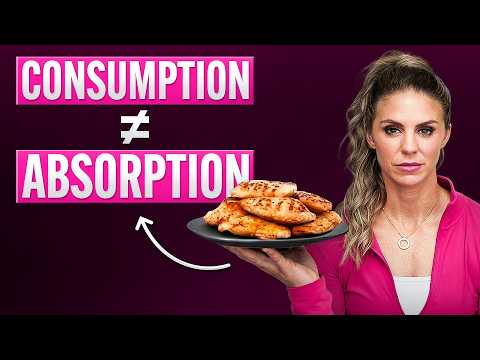 34 min
How Much Protein Do Women Over 40 Really Need?
Episode 364 · May 25, 2026
 28 min
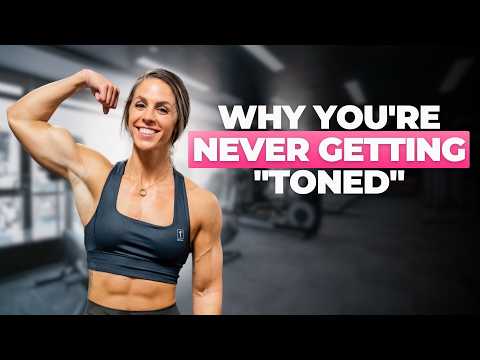
How to Get Toned After 40 Without Getting Bulky
Episode 356 · Apr 27, 2026
 39 min
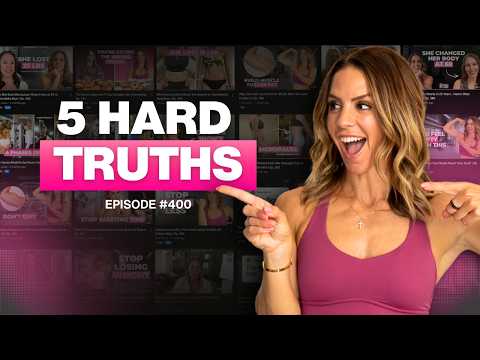
Biggest Fitness Mistakes Women Over 40 Make
Episode 400 · Sep 28, 2026