

The short answer
For healthy women with no existing kidney condition, Nikkiey says the research does not support high protein causing kidney damage. The worry came from studies of people whose kidneys were already compromised. If you have a known kidney condition, she says to work with your doctor or a nutritionist on your protein intake.
Hear it answered
Tap play to start right where it's answered. It keeps playing while you browse.
Nikkiey on why high protein is not a kidney risk for healthy women
Plays from 28:51 · Ep. 364: How Much Protein Do Women Over 40 Really Need?
Where the kidney myth came from and who should actually limit protein
Plays from 9:29 · Ep. 86: How to Balance Protein, Carbs and Fat for Fat Loss
Why higher kidney filtration from protein is normal, not damage
Plays from 10:04 · Ep. 86: How to Balance Protein, Carbs and Fat for Fat Loss
The full answer
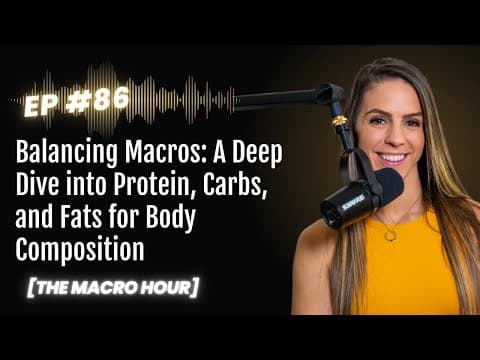
On Ep. 86, Nikkiey traces the myth to its source. People with existing kidney disease are often advised by their doctor to limit protein, because their kidneys may already struggle to filter the waste products of protein metabolism. For them, she says, high protein can be a problem. That advice got stretched into a warning for everyone, and that is where it stops being true.
She also explains the part that tends to scare people. Eating more protein makes the kidneys filter more blood per minute, known as GFR. Some have read that as the kidneys being overworked and heading toward damage. Nikkiey says this increased filtration is a normal adaptive response, not a sign of harm, and that the kidneys are adaptable, capable organs. She adds that long-term studies on healthy people have not shown a clear connection between high protein intake and kidney damage.
On Ep. 364, she makes the same distinction. She points to decades of research on athletes eating high-protein diets without kidney damage in healthy populations, and says that for healthy kidneys, processing more protein is well within normal function. In the same segment she clears up two related myths: high protein will not make you store fat when you eat in a reasonable calorie range, and you can absorb more than 30 grams per meal, though muscle building tops out around 30 to 50 grams.
The bottom line from the show: if your kidneys are healthy, protein is not the thing to fear, and skimping on it can cost you the muscle you are working to keep. If you have a known kidney condition or any concern about your kidney function, that is a conversation for your doctor, not a podcast.
From WarriorBabe's coaches (how we write our answers). For education, not medical advice: talk to your doctor about your own health.
Women also ask
More on Protein for Women →
Protein for Women
Can your body only absorb 30 grams of protein at once?
No. Nikkiey explains that your body can absorb more than 30 grams of protein in one meal. What tops out is muscle protein synthesis, the muscle-building response, at around 30 to 50 grams per meal for most women. Protein beyond that is still absorbed and used for other functions. It is not stored as fat.
Read the answer →
Protein for Women
Does extra protein get stored as fat?
Not in any way that should worry you. Nikkiey explains that any macronutrient eaten in a big calorie surplus can contribute to fat storage, but protein is the hardest one for your body to convert to fat. Eaten within a reasonable calorie range and paired with strength training, high protein supports fat loss instead.
Read the answer →

Protein for Women
How much protein do women over 40 need?
Most guidance on The WarriorBabe Show lands at about 1 gram of protein per pound of body weight per day for women over 40, based on goal weight if you have a lot to lose. Nikkiey says strength-training women may need 1.2 or even 1.3. Some episodes and guests cite 0.7 grams as the floor.
Read the answer →
Protein for Women
Why do women need more protein as they get older?
Women need more protein with age because they lose muscle every decade and their bodies get worse at turning protein into muscle, which Nikkiey calls anabolic resistance. To get the same muscle-building response as a younger woman, you need more protein, not less. Eating less to lose weight usually works against you.
Read the answer →
Protein for Women
What protein powder should I use if whey makes me bloated?
If whey leaves you bloated, try a plant-based protein. Nikkiey says whey and dairy-based powders sometimes upset her stomach, so she uses 1st Phorm's Vegan Power Pro, which she finds easy on the stomach. If whey doesn't bother you, she suggests their whey isolate, Phormula-1, especially around your workout.
Read the answer →
Protein for Women
How much protein should a woman eat a day to lose weight?
Most WarriorBabe guidance lands at roughly 0.7 to 1 gram of protein per pound of body weight, with 100 grams a day as the floor. Nikkiey Stott's rule is about your body weight in grams, or your goal weight if you have a lot to lose. Spread it across meals and build up gradually.
Read the answer →
Watch or listen in full
More on this topic →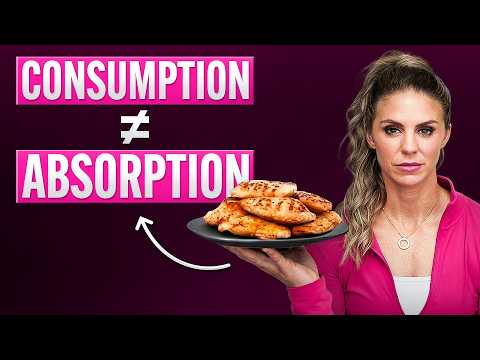 34 min
How Much Protein Do Women Over 40 Really Need?
Episode 364 · May 25, 2026
 20 min
How to Balance Protein, Carbs and Fat for Fat Loss
Episode 86 · Aug 18, 2023