

 35 min
How to Balance Hormones With Nutrition for Fat Loss
Episode 172 · Jul 15, 2024
44 episodes
From Nikkiey Stott and the WarriorBabe coaching team · Updated Oct 25, 2026
If you are over 40 and your body no longer responds the way it used to, you have probably been told it is just your age or just your hormones. You eat well, you train and you stay consistent. Still, weight settles around your middle, your energy crashes in the afternoon, your sleep falls apart and your mood feels like it belongs to someone else. On The WarriorBabe Show, Nikkiey Stott takes those symptoms seriously, and she does not accept that you are stuck with them.
35 minEpisode 172 · Jul 15, 2024
 1 hr 1 min
With Dr. Jolene Brighten
 56 min
With Dr. Morgan Nolte
 1 hr 1 min
With Jessica Suchan
 28 min
Episode 75 · Jul 3, 2023
The show's view is that hormones do change in your 40s, and your daily habits shape how those changes play out. In How Hormone Changes Affect Fat Loss and Muscle After 45, Nikkiey explains how estrogen and progesterone decline, testosterone shifts, insulin resistance can show up and fat tends to settle around the abdomen. The same pattern runs through many episodes. Years of under-eating, too much cardio, short sleep and chronic stress push cortisol up and put your body into survival mode. Fighting harder will not fix that. What helps is eating enough, prioritizing protein, lifting weights with progressive overload and protecting your sleep and stress levels.
Nutrition is where most women can start today. In How to Balance Hormones With Nutrition for Fat Loss, Nikkiey explains insulin, cortisol, estrogen, testosterone and growth hormone in plain language. She also covers why she sees healthy fats as the building blocks of hormones and why protein is king at roughly 30 grams per meal. In Early Perimenopause Signs Women Over 40 Should Know, Dr. Jolene Brighten shares a similar daily food structure. She also explains why she sees declining progesterone, not hot flashes, as often the first sign of perimenopause, and why she believes HRT alone is not enough without nutrition and lifestyle.
Insulin resistance gets its own attention. In How to Reverse Insulin Resistance After 40, Dr. Morgan Nolte explains that fasting insulin can rise 10 to 20 years before blood sugar does. She also explains that muscle is the biggest reservoir for the glucose you eat, which makes strength training and enough protein the cornerstone. Lara Briden explains why perimenopause pushes every woman toward insulin resistance as progesterone and estradiol drop. If you are wondering about birth control, Nikkiey gives her honest take in Does Birth Control Affect Weight Loss and Muscle? She sees it as a variable but rarely the main reason fat loss stalls.
The show also encourages you to get real data. Normal is not the same as optimal. Episodes like What Lab Tests Should Women Over 40 Ask Their Doctor For? give you specific tests and questions to bring to your provider.
For the foundations, start with How to Balance Hormones With Nutrition for Fat Loss. Then listen to Dr. Brighten on early perimenopause and Dr. Nolte on insulin resistance. If stress, skipped meals and too much HIIT sound familiar, How to Balance Hormones Naturally With Food and Exercise with Jessica Suchan is a practical next step. Pick one change, stay consistent and give your body time.
Hormones & Hormone Health
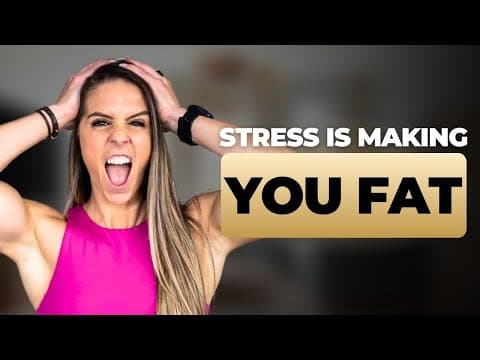
Yes, according to Nikkiey. On The WarriorBabe Show she explains that chronic stress keeps cortisol elevated, which she says increases fat storage around the midsection and drives cravings for comfort foods. Even with solid macros and training, a body stuck in survival mode can hold on to fat, so managing stress becomes part of the plan.
Read the answer →
Hormones & Hormone Health
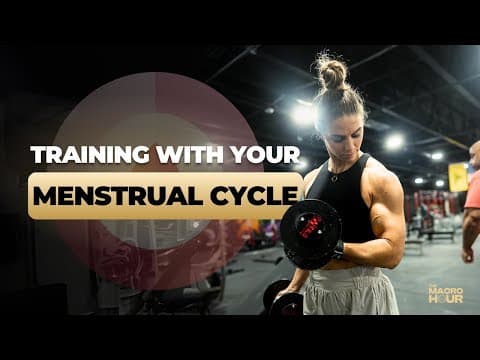
Yes, you can keep lifting on your period, but adjust rather than push. Nikkiey still shows up to keep the promise she made to herself, using lighter weights and higher reps. Guest Jessica Suchan agrees: train all month, go lighter or skip progressive overload if tired. On heavy, crampy days, a rest day is fine.
Read the answer →
Hormones & Hormone Health
Nikkiey suggests going beyond the basic panel: a full thyroid panel (TSH, free T3, free T4, reverse T3, antibodies), estrogen or estradiol, progesterone, testosterone, cortisol, fasting insulin and A1C, plus vitamin D, B12 and iron. For heart health she adds ApoB, high-sensitivity CRP and homocysteine. Bring the list and talk it through with your doctor.
Read the answer →

Hormones & Hormone Health
Often because normal isn't the same as optimal. Nikkiey explains that standard lab ranges come from population averages wide enough to include about 95% of people, including those who are unhealthy, insulin resistant, sedentary or already symptomatic. Basic panels also tend to leave out key markers, like a full thyroid panel or testosterone.
Read the answer →

Hormones & Hormone Health
The clearest check is a fasting insulin test. On Ep. 159, Dr. Morgan Nolte says the research gold standard is a HOMA-IR score, calculated from fasting glucose and fasting insulin, and that fasting insulin alone should ideally be under six. On Ep. 211, Lara Briden adds that normal blood sugar or HbA1c can't rule it out.
Read the answer →
 20 min
Episode 402 · Oct 5, 2026
 28 min
Episode 376 · Jul 6, 2026
 36 min
Episode 375 · Jul 3, 2026
 1 hr 1 min
With JJ Virgin
 20 min
Episode 346 · Mar 23, 2026
 31 min
With Dr. Jaime Knopman
 45 min
With Scott Chaverri
 1 hr 0 min
Episode 324 · Jan 2, 2026
 32 min
Episode 311 · Nov 14, 2025
 28 min
Episode 308 · Nov 3, 2025
 55 min
Episode 300 · Oct 6, 2025
 26 min
Episode 297 · Sep 26, 2025
Nikkiey Stott explains that estrogen and progesterone decline, testosterone shifts, insulin resistance can show up and fat tends to move to the abdomen. Her point is that you are not stuck. WarriorBabe keeps protein at about one gram per pound of body weight in perimenopause and menopause, lowers carbs and raises fats without going near keto, and has women lift weights consistently.
Dr. Morgan Nolte explains that fasting insulin can rise 10 to 20 years before glucose or A1C looks off, and that looking thin or having normal labs can give false reassurance. Lara Briden also says a normal blood glucose or HbA1c cannot rule it out. Nikkiey suggests asking your doctor for fasting insulin and HOMA-IR.
In How to Balance Hormones With Nutrition for Fat Loss, Nikkiey typically sets women's fat intake at 55 to 85 grams, going higher through menopause. She aims for roughly 30 grams of protein per meal and adds fiber to steady blood sugar. She warns that excess sugar, too little fat or protein and skipped meals catch up with you over time.
Nikkiey, who is clear she is not a doctor, says birth control can be a variable but is rarely the main reason you cannot lose weight. She suggests looking first at food, alcohol, sleep, water and movement. On muscle, she points to a study in which women on oral contraceptives gained less muscle over 10 weeks of resistance training, and she notes that more research is needed.
Dr. Jolene Brighten says the first hormone to decline is often progesterone, not estrogen. This can show up as worse PMS, irritability and waking at 4 or 5 a.m. in the days before your period. She says this can sometimes start in your mid-thirties.
Nikkiey explains that standard ranges are built on population averages, so in range does not mean optimal. She suggests asking about a full thyroid panel with antibodies, sex hormones, fasting insulin, cortisol, DHEA-S, vitamin D, B12, iron and ferritin. She also recommends keeping a weekly symptom log to bring to your appointment.