

The short answer
Yes, according to Nikkiey. On The WarriorBabe Show she explains that chronic stress keeps cortisol elevated, which she says increases fat storage around the midsection and drives cravings for comfort foods. Even with solid macros and training, a body stuck in survival mode can hold on to fat, so managing stress becomes part of the plan.
Hear it answered
Tap play to start right where it's answered. It keeps playing while you browse.
Nikkiey on why chronic cortisol drives fat storage around your midsection
Plays from 4:40 · Ep. 237: How Stress Stops Fat Loss After 40 and What to Do
How elevated cortisol ramps up appetite and comfort-food cravings that end up as belly fat
Plays from 6:29 · Ep. 186: How Stress and Cortisol Cause Belly Fat After 40
Stress, cortisol, cravings and digestion as hidden reasons your progress stalls
Plays from 12:56 · Ep. 30: Why Aren't My Muscles Growing? 5 Fixes for Women
Bea on feeling fine while her heart rate variability showed her body was stressed
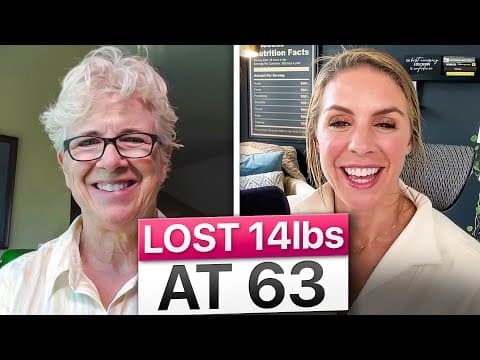
Plays from 26:09 · Ep. 296: Can You Transform Your Body After 60? Bea's Story
Why the fix for a stress plateau isn't more cardio or tighter macros
Plays from 25:50 · Ep. 237: How Stress Stops Fat Loss After 40 and What to Do
The full answer
Nikkiey is clear that cortisol isn't the enemy. On Ep. 186 she describes it as part of your fight-or-flight response, helpful in the short term because it gives you energy to handle challenges. The problem is when stress becomes chronic and cortisol stays elevated. On Ep. 237 she lists where that stress comes from: work, relationships, lack of sleep, overtraining and under-eating. In her view, a body constantly in that mode treats fat as a survival resource and stores more of it around the midsection.
There's a behavioral side too. Nikkiey explains that elevated cortisol increases appetite and pulls you toward high-calorie, sugary, fatty comfort foods. On Ep. 30 she adds that stress can cause digestive problems and inflammation. She describes clients whose macros and workouts hadn't changed in weeks, yet their weekly check-in showed inflammation after a stressful week. If you've plateaued while doing everything right, she says, more cardio or tighter macros may not be the fix. Ask whether you're prioritizing recovery, fueling properly and caring for your mental health.
What the episodes suggest trying:
- Self-care like a massage, a relaxing bath or time alone (Ep. 30)
- Meditation, starting with just five minutes, even if it feels uncomfortable at first (Ep. 30)
- Sleep and hydration as part of the plan, not extras (Ep. 237)
On Ep. 296, client Bea adds a useful nuance: she felt fine, but her heart rate variability showed her body was under stress during a cut. Measuring it, adding meditation, NSDR and breath work, and dropping alcohol helped her start making progress. Stress doesn't always feel like stress. If hormone changes or menopause are part of your picture, Nikkiey names them as a stressor too, and that's worth discussing with your doctor.
From WarriorBabe's coaches (how we write our answers). For education, not medical advice: talk to your doctor about your own health.
Women also ask
More on Hormones & Hormone Health →
Hormones & Hormone Health
Does strength training raise cortisol?
Yes, but only briefly. Nikkiey explains that a hard strength session spikes cortisol during and right after the workout to give you energy, then it drops back down. That is healthy stress. Over time, consistent lifting with good recovery, sleep, hydration and food helps lower baseline cortisol. The real problem is chronic cortisol, not lifting itself.
Read the answer →

Hormones & Hormone Health
How can I balance my hormones naturally after 40?
On The WarriorBabe Show, supporting your hormones after 40 starts with your routine, not willpower. That means consistent strength training, walking instead of punishing cardio, real recovery and lower stress, and eating enough, especially protein at every meal. The episodes frame this as supporting your body, not fixing a broken one. For symptoms or medications, work with your doctor.
Read the answer →
Hormones & Hormone Health
Can strength training help with insulin resistance?
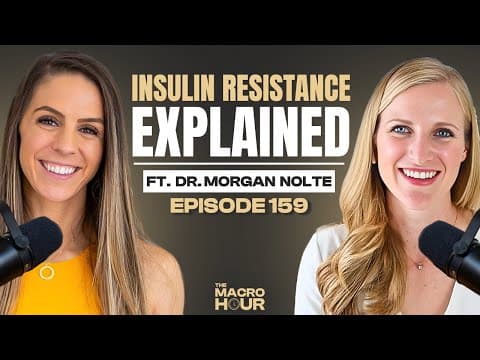
Yes. On the show, strength training is one of the main tools for insulin resistance. Nikkiey explains that building muscle improves insulin sensitivity, and Dr. Morgan Nolte says muscle is the main reservoir for the glucose you eat, so more muscle means less glucose spilling over into fat tissue and a lower insulin response.
Read the answer →
Hormones & Hormone Health
How do I know if I have insulin resistance?
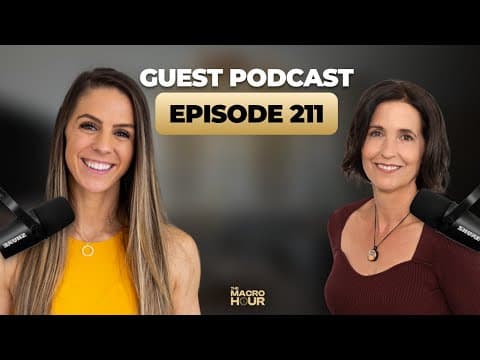
The clearest check is a fasting insulin test. On Ep. 159, Dr. Morgan Nolte says the research gold standard is a HOMA-IR score, calculated from fasting glucose and fasting insulin, and that fasting insulin alone should ideally be under six. On Ep. 211, Lara Briden adds that normal blood sugar or HbA1c can't rule it out.
Read the answer →

Hormones & Hormone Health
Why am I always bloated?
Most of the time, Nikkiey says, constant bloating comes down to two things: you ate too much in one sitting, or you ate something your body can't break down well. Excess gas, swallowed air, stress and hormonal changes around your cycle can add to it, and often it's several of these at once.
Read the answer →
Hormones & Hormone Health
Should I lift weights on my period?
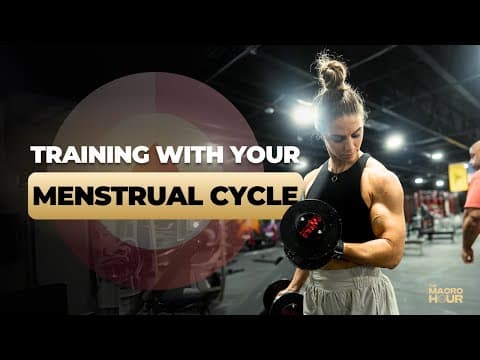
Yes, you can keep lifting on your period, but adjust rather than push. Nikkiey still shows up to keep the promise she made to herself, using lighter weights and higher reps. Guest Jessica Suchan agrees: train all month, go lighter or skip progressive overload if tired. On heavy, crampy days, a rest day is fine.
Read the answer →
Work out yours
All calculators →Watch or listen in full
More on this topic →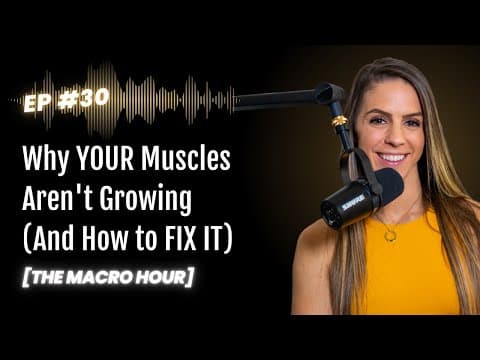 22 min
Why Aren't My Muscles Growing? 5 Fixes for Women
Episode 30 · Mar 17, 2023
 29 min
How Stress Stops Fat Loss After 40 and What to Do
Episode 237 · Feb 28, 2025
 36 min
Can You Transform Your Body After 60? Bea's Story
Episode 296 · Sep 22, 2025