

From 2 episodes and 1 video
How do I read a nutrition label to track my macros?
Answered by Nikkiey Stott and WarriorBabe's coaches · Updated
The short answer
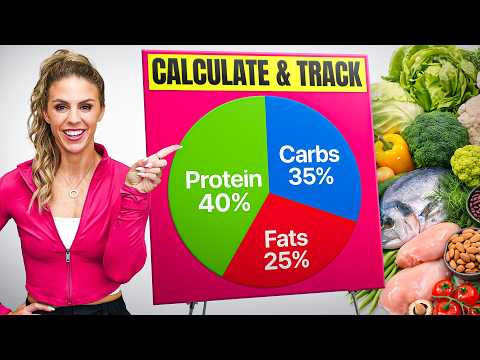
Find the grams of protein, carbs and fat per serving, then convert them: protein and carbs give about four calories per gram, fat about nine. So 35 grams of carbs is 35 times four. Alcohol adds about seven calories per gram but isn't listed as a macro, and label numbers are estimates.
Hear it answered
Tap play to start right where it's answered. It keeps playing while you browse.
Nikkiey on converting carb and fat grams on a label into calories
Plays from 3:49 · Ep. 86: How to Balance Protein, Carbs and Fat for Fat Loss
Why a 2-gram-carb drink still has 100 calories: the alcohol the label hides
Plays from 4:35 · Ep. 86: How to Balance Protein, Carbs and Fat for Fat Loss
Steven Rofrano on how label numbers are calculated, not lab-tested
Plays from 46:33 · Ep. 318: Are Seed Oils Bad for You? What's Wrong With Modern Food

A WarriorBabe coach on calories per gram for protein, carbs and fat
Plays from 1:27 · Video: 5 Benefits of Tracking Macros: Energy, Muscle, Recovery
The full answer
On Ep. 86, Nikkiey walks through the math. If a box says 35 grams of carbohydrates, multiply by four to get the calories coming from carbs. If it says 10 grams of fat, multiply by nine, since fat carries more than twice the energy of protein or carbs. One WarriorBabe coach adds the same rule for protein: about four calories per gram. Once you can do that conversion, a label stops being a wall of numbers and becomes protein, carbs and fat you can log against your targets.
The catch is alcohol. Nikkiey points out that drinks like hard seltzers can show just 2 grams of carbs, which accounts for only about eight calories, yet the can holds around 100. The rest comes from alcohol at about seven calories per gram, and that doesn't appear in the macros on the label. If the macros don't add up to the calorie count on a drink, that gap is the alcohol.
It also helps to know how those numbers get there. On Ep. 318, guest Steven Rofrano, co-founder of Ancient Crunch, explains that most nutrition panels aren't lab-tested. Manufacturers add up values for each ingredient from a USDA database, so the result may be directionally true but not precise. He goes further and says he ignores the numbers and reads the ingredient list instead. Nikkiey pushes back a little, since she's big on protein, fats and carbs, but agrees the figures aren't exact.
The practical takeaway: use the label to track your macros, treat the numbers as close estimates rather than gospel, and glance at the ingredients too. If your progress stalls, it's not that you can't read a label; it's that the plan needs adjusting, which is exactly what tracking lets you see.
From WarriorBabe's coaches (how we write our answers). For education, not medical advice: talk to your doctor about your own health.
Part of
Macros & Macro Tracking →Women also ask
More questions →
Macros & Macro Tracking
What macros should I eat for body recomposition after 40?
Start with protein at about one gram per pound of body weight daily, then let carbs and fats fill in the rest in a balanced way. Nikkiey says recomposition takes strength training and eating at or near maintenance, not a steep deficit. Some WarriorBabe coaches prefer separate build and fat loss phases instead.
Read the answer →
Macros & Macro Tracking
How many calories are in a gram of protein, carbs and fat?
Protein and carbs each have about 4 calories per gram, and fat has about 9, more than twice as much. Nikkiey also flags alcohol: it isn't a macronutrient, but it carries about 7 calories per gram, which is why drinks can hold far more calories than their nutrition labels seem to show.
Read the answer →

Macros & Macro Tracking
Do I have to track macros forever?
No. Nikkiey is clear that you don't have to track macros for the rest of your life. Tracking and weighing your food is a temporary, educational phase that teaches you what real portions of protein, carbs and fat look like. Do it consistently for a couple of years and it becomes second nature.
Read the answer →
Watch or listen in full
More on this topic → 20 min
How to Balance Protein, Carbs and Fat for Fat Loss
Episode 86 · Aug 18, 2023
 56 min
Are Seed Oils Bad for You? What's Wrong With Modern Food
With Steven Rofrano
 6 min
5 Benefits of Tracking Macros: Energy, Muscle, Recovery
Video · Jan 12, 2024