

From 6 episodes
How long should I track macros before switching to intuitive eating?
Answered by Nikkiey Stott and her guests · Updated
The short answer
Nikkiey's answer is at least a year of consistent tracking, and often longer. Across episodes she gives ranges from one to three years, and her own journey took six to ten years. The finish line isn't a date. You keep tracking until you can eyeball a plate and estimate its protein, carbs and fat without weighing.
Hear Nikkiey answer it
Tap play to start right where it's answered. It keeps playing while you browse.
Nikkiey's roadmap: track for a year, then log hunger and energy for two weeks
Plays from 21:20 · Ep. 271: Can You Intuitively Eat Without Tracking Macros First?
Nikkiey on why it took her almost seven years to trust intuitive eating
Plays from 3:21 · Ep. 194: How to Stop Tracking Macros and Eat Intuitively
How years of weighing food let Nikkiey eyeball portions and macros
Plays from 10:13 · Ep. 109: Macros vs Calories: Why Tracking Macros Works After 40
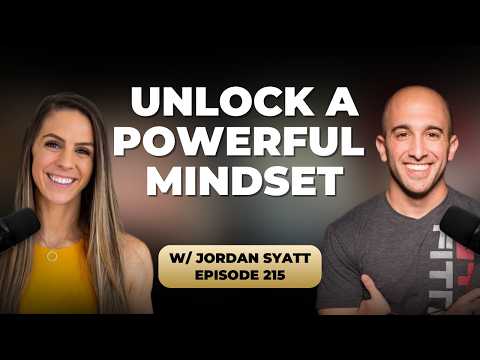
Jordan Syatt on why starting with intuitive eating is like racing the Daytona 500
Plays from 32:51 · Ep. 215: How to Start Tracking Food Without Feeling Overwhelmed
Abbey Sharp on why weak hunger cues after dieting call for structure first
Plays from 25:34 · Ep. 306: How to Stop Food Cravings Without Restrictive Dieting
The full answer
The numbers shift a little from episode to episode. On Ep. 271, Nikkiey gives a tactical roadmap: track for about a year, then keep logging for roughly two weeks as you transition. During those two weeks you log macros along with hunger, energy and how each meal made you feel. On Ep. 109 she says a year to two years. On Ep. 194 her general rule is two to three years, and she says working with a coach can cut that roughly in half. It took her six to seven years to feel fully confident, and on Ep. 271 she describes a ten-year foundation. She says it doesn't have to take you that long. But if you've been dieting for ten years, she asks whether you can give yourself the grace to take up to five years to learn this the right way.
The reason you can't skip the tracking stage is that intuitive eating runs on knowledge you only get from weighing and logging. Nikkiey explains that tracking taught her that two tablespoons of peanut butter carries a certain amount of fat, and that three ounces of chicken breast is about 24 to 25 grams of protein. On Ep. 215, Jordan Syatt calls intuitive eating the most advanced form of eating. He says starting there is like putting a 15-year-old who has never driven into the Daytona 500.
When you do start easing off, Nikkiey suggests these tactics on Ep. 271:
- Follow your structure 80% of the time and practice food freedom 20% of the time.
- Re-center with check-ins. Go two weeks, then track one week. Go a month, then track a week. Go two months, then track two weeks.
On Ep. 306, dietitian Abbey Sharp adds that after years of dieting, hunger and fullness cues can be unreliable, so jumping straight to intuitive eating can lead to under-eating. She recommends structure first, with balanced meals and snacks every few hours, to reawaken those cues. So readiness is a skill you build, not a date on the calendar.
From Nikkiey Stott and WarriorBabe's coaching. For education, not medical advice: talk to your doctor about your own health.
Women also ask
More questions →
Macros & Macro Tracking
Do I have to track macros forever?
No. Nikkiey is clear that you don't have to track macros for the rest of your life. Tracking and weighing your food is a temporary, educational phase that teaches you what real portions of protein, carbs and fat look like. Do it consistently for a couple of years and it becomes second nature.
Read the answer →
Macros & Macro Tracking
How do I start tracking macros as a beginner?
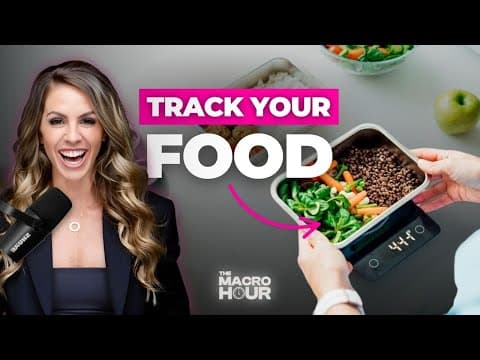
Start by learning to track before chasing any numbers. Nikkiey has beginners log what they normally eat in MyFitnessPal for seven days, then focus on protein first and add fats and carbs later. Keep your meals simple and repetitive for the first few weeks so tracking becomes a skill, not a source of overwhelm.
Read the answer →
Macros & Macro Tracking
What is intuitive eating?
Intuitive eating means eating by your body's hunger and fullness cues instead of strict rules or logging every meal. Nikkiey says it isn't eating whenever you feel like it. It's an informed, respectful relationship with food: you can roughly tally your day, prioritize protein, stop when satisfied, and trust your signals because you've done the work.
Read the answer →
Watch or listen in full
More on this topic → 35 min
How to Stop Tracking Macros and Eat Intuitively
Episode 194 · Sep 30, 2024
 26 min
Macros vs Calories: Why Tracking Macros Works After 40
Episode 109 · Dec 4, 2023
 1 hr 4 min
How to Start Tracking Food Without Feeling Overwhelmed
With Jordan Syatt