

From 1 episode and 1 video
How many calories are in a gram of protein, carbs and fat?
Answered by Nikkiey Stott and WarriorBabe's coaches · Updated
The short answer
Protein and carbs each have about 4 calories per gram, and fat has about 9, more than twice as much. Nikkiey also flags alcohol: it isn't a macronutrient, but it carries about 7 calories per gram, which is why drinks can hold far more calories than their nutrition labels seem to show.
Hear it answered
Tap play to start right where it's answered. It keeps playing while you browse.
Nikkiey breaks down 4, 4 and 9 calories per gram with nutrition label math
Plays from 3:31 · Ep. 86: How to Balance Protein, Carbs and Fat for Fat Loss
Why alcohol's 7 calories per gram hides in drinks like Truly
Plays from 4:33 · Ep. 86: How to Balance Protein, Carbs and Fat for Fat Loss
How calorie values help you split your calories by goal
Plays from 5:39 · Ep. 86: How to Balance Protein, Carbs and Fat for Fat Loss
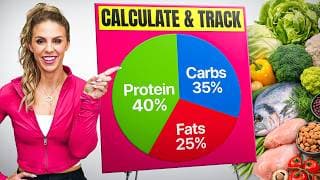
What protein, carbs and fat each do for women over 40
Plays from 1:30 · Video: How to Figure Out Your Macros as a Woman Over 40
The full answer
On Ep. 86, Nikkiey shows how to use these numbers with any nutrition label. Multiply the grams by the calories per gram for each macro:
- Carbs: 35 grams on the label times 4 is the calories coming from carbohydrates
- Fat: 10 grams on the label times 9 is the calories coming from fat
- Protein: grams times 4, same as carbs
Alcohol is where the label math falls apart. Nikkiey points to drinks like a can of Truly, which lists about 2 grams of carbs but holds about 100 calories. Those few carb grams account for only a small part of that. The rest comes from the alcohol itself, at about 7 calories per gram, and it isn't laid out clearly on the label. If you've been counting a drink by its carbs alone, that's a gap in the plan, not a lack of discipline on your part.
Why this matters: Nikkiey explains that knowing these values lets you divide your calorie target among protein, carbs and fat based on your goal, whether that's fat loss, building muscle or maintaining. Using 1,800 calories as an example, the total sets the budget, but the macro makeup of those calories is what she calls most important for body composition. In a WarriorBabe video on figuring out your macros, one coach adds that calories tell you how much you're eating, not the quality of the fuel. Protein helps build and preserve lean muscle, carbs are your body's primary energy source and not the enemy, and fats support hormones, joints and brain function.
If you're not sure where to start, that coach singles out protein, since most women over 40 under-eat it. Her general target is about 1 gram per pound of body weight, worked toward gradually rather than all at once.
From WarriorBabe's coaches (how we write our answers). For education, not medical advice: talk to your doctor about your own health.
Women also ask
More on Macros & Macro Tracking →
Macros & Macro Tracking
What macros should I eat for body recomposition after 40?
Start with protein at about one gram per pound of body weight daily, then let carbs and fats fill in the rest in a balanced way. Nikkiey says recomposition takes strength training and eating at or near maintenance, not a steep deficit. Some WarriorBabe coaches prefer separate build and fat loss phases instead.
Read the answer →

Macros & Macro Tracking
How do I read a nutrition label to track my macros?
Find the grams of protein, carbs and fat per serving, then convert them: protein and carbs give about four calories per gram, fat about nine. So 35 grams of carbs is 35 times four. Alcohol adds about seven calories per gram but isn't listed as a macro, and label numbers are estimates.
Read the answer →

Macros & Macro Tracking
How do I stop tracking macros without regaining weight?
Ease off gradually rather than quitting all at once. Nikkiey suggests tracking your core meals while leaving one meal, usually dinner, flexible, then swapping one structured meal a week, staying structured about 80% of the time, keeping protein the priority, and returning to tracking for a week whenever you feel off.
Read the answer →

Macros & Macro Tracking
Should I count net carbs or total carbs when tracking macros?
Track total carbs. On The WarriorBabe Show, Nikkiey Stott says net carbs are a keto approach, and one WarriorBabe coach explains that every carb is a carb, fiber and sugar included. Counting all of them keeps your daily carb intake consistent, while subtracting fiber makes it swing from day to day.
Read the answer →

Macros & Macro Tracking
What are macros?
Macros, short for macronutrients, are the three nutrients that make up everything you eat: protein, carbohydrates and fat. Calories are just the unit of energy they provide. Nikkiey explains that tracking macros shows what your calories are actually made of, so you get the balance your body needs instead of mostly carbs and fat.
Read the answer →

Macros & Macro Tracking
Do I have to track macros forever?
No. Nikkiey is clear that you don't have to track macros for the rest of your life. Tracking and weighing your food is a temporary, educational phase that teaches you what real portions of protein, carbs and fat look like. Do it consistently for a couple of years and it becomes second nature.
Read the answer →
Watch or listen in full
More on this topic → 20 min
How to Balance Protein, Carbs and Fat for Fat Loss
Episode 86 · Aug 18, 2023
 9 min
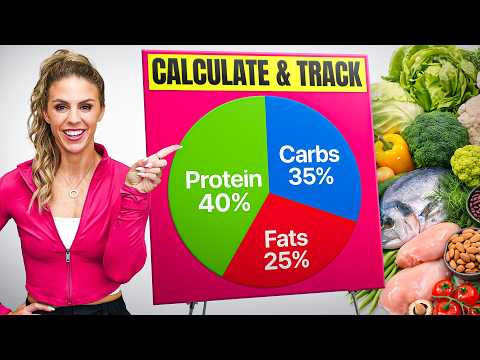
How to Figure Out Your Macros as a Woman Over 40
Video · Jan 24, 2026