

The short answer
According to guests on The WarriorBabe Show, the first signs usually aren't hot flashes or missed periods. Dr. Jolene Brighten says falling progesterone shows up first as worsening PMS, irritability, breast tenderness and waking at night before your period, sometimes from 35. Hatty McCafferty adds sleep disruption, skin changes, digestive shifts and fatigue.
Hear it answered
Tap play to start right where it's answered. It keeps playing while you browse.
Dr. Jolene Brighten on why hot flashes aren't the first sign of perimenopause
Plays from 3:25 · Ep. 279: Early Perimenopause Signs Women Over 40 Should Know
Hatty McCafferty on subtle early signs and why to track your cycle
Plays from 29:36 · Ep. 207: Early Signs of Perimenopause and How to Manage Them
Janet Smith on sleep and mood as the changes women notice most
Plays from 40:43 · Ep. 206: Perimenopause, Hormone Testing and Strength Training at 50
Esther Blum's full list of perimenopause symptoms, from insomnia to body shape
Plays from 19:37 · Ep. 130: How to Navigate Menopause: Protein, Carbs, HRT and Lifting
The full answer
On Eps. 279, 300 and 324, Dr. Jolene Brighten explains why progesterone is her focus. It's only made after ovulation, and in her view it's the first hormone to decline. Progesterone helps calm the brain and supports deep, unbroken sleep, so when it drops she says to watch the two to five days before your period. Signs include snapping at your partner over small things, night waking, or waking at 4 or 5 when you normally wake at 6. She adds that in early perimenopause there's still a lot that can be done, and that chronic stress is a big factor.
On Ep. 207, Hatty McCafferty notes that doctors usually ask about your cycle first, but cycle changes are rarely what women notice first. Sleep disruption often comes first, frequently waking between 1 and 3 a.m. Other early signs she lists: drier skin, unexpected breakouts, digestive changes with foods you used to tolerate, shifts in your circadian rhythm and fatigue. These changes are subtle and easy to blame on stress or travel, so she suggests tracking your cycle and symptoms, even in a free app.
Other guests widen the picture:
- Janet Smith (Ep. 206): brain fog, forgetfulness, uncharacteristic snappiness, harder time falling and staying asleep, and difficulty building or keeping muscle. The tell, she says, is that something's different even though you're doing the same things.
- Esther Blum (Ep. 130): a second half of the cycle that feels radically different, hot flashes, vaginal dryness, very heavy periods, joint aches, a shift from pear to apple shape, and suddenly not tolerating HIIT or long cardio. She notes perimenopause can begin 10 to 15 years before menopause.
If your body is changing while your habits haven't, that's information, not failure. Write down what you're noticing and take it to your doctor. Janet describes pushing for more in-depth blood work after being told everything was fine.
From WarriorBabe's coaches (how we write our answers). For education, not medical advice: talk to your doctor about your own health.
Women also ask
More on Menopause & Perimenopause Weight Loss →
Menopause & Perimenopause Weight Loss
How much protein do women in menopause need?
Nikkiey's recommendation is about one gram of protein per pound of body weight, so a 150-pound woman aims for roughly 150 grams a day, and that target stays the same through menopause. Guests on The WarriorBabe Show land in a similar range, and several say most women are eating far too little.
Read the answer →
Menopause & Perimenopause Weight Loss
Can changing my diet help with hot flashes?
It can help, according to the show. On Ep. 207, menopause consultant Hatty McCafferty explains that big blood sugar spikes and drops make hot flashes and night sweats more likely. Eating protein from breakfast on and dropping the sugary-snack pattern keeps blood sugar steadier. Cutting carbs isn't the fix. Which carbs you eat, and when, matters more.
Read the answer →
Menopause & Perimenopause Weight Loss
Should I do intermittent fasting during menopause?
Maybe, but it's individual. On Ep. 130, dietitian Esther Blum says menopausal women in her practice tolerate fasting best, though it may not suit women with hypothyroidism, cortisol or adrenal issues, chronic illness, or disordered eating history. On Ep. 117, Dr. Stephen Cabral warns fasting can become one more stressor on hormones. If you try it, start with 12 hours.
Read the answer →
Menopause & Perimenopause Weight Loss
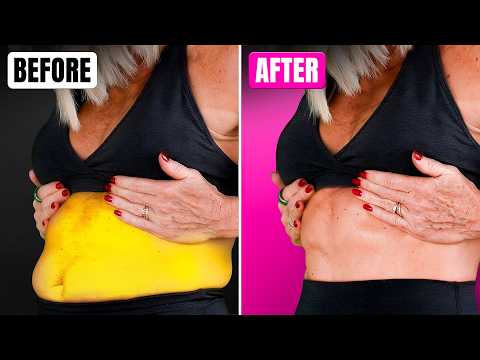
How do I lose visceral fat after menopause?
WarriorBabe's approach is to build muscle rather than chase the scale. Strength train consistently, swap long cardio for short sprint intervals, walk daily, and take an honest look at alcohol. Nikkiey says strength training can reduce visceral fat even when your weight doesn't change, so track your waist measurement, not just pounds.
Read the answer →
Menopause & Perimenopause Weight Loss
Is HIIT bad for women in menopause?
Not necessarily. One WarriorBabe coach explains that what backfires in menopause is long, frequent, exhausting cardio, which keeps cortisol elevated and encourages belly fat storage. Short sprint interval training, with 20 to 30 second all-out efforts and full rest, is one of her core exercises. For everything else, she favors low-impact incline walking.
Read the answer →

Menopause & Perimenopause Weight Loss
Do I need to do cardio to lose weight in menopause?
No. WarriorBabe's coaches say cardio isn't what drives fat loss in menopause, and leaning on it can backfire. They explain that too much cardio spikes cortisol and burns muscle, especially in a calorie deficit. What they recommend instead is strength training as the foundation, plus enough protein, daily walking and proper recovery.
Read the answer →
Watch or listen in full
More on this topic → 1 hr 1 min
Early Perimenopause Signs Women Over 40 Should Know
With Dr. Jolene Brighten
 1 hr 6 min
How to Navigate Menopause: Protein, Carbs, HRT and Lifting
With Esther Blum
 1 hr 3 min
Early Signs of Perimenopause and How to Manage Them
With Hatty McCafferty