

From 1 episode and 1 video
Can changing my diet help with hot flashes?
Answered by Nikkiey Stott and her guests · Updated
The short answer
It can help, according to the show. On Ep. 207, menopause consultant Hatty McCafferty explains that big blood sugar spikes and drops make hot flashes and night sweats more likely. Eating protein from breakfast on and dropping the sugary-snack pattern keeps blood sugar steadier. Cutting carbs isn't the fix. Which carbs you eat, and when, matters more.
Hear Nikkiey answer it
Tap play to start right where it's answered. It keeps playing while you browse.
Hatty McCafferty on how protein first thing steadies blood sugar and eases hot flashes
Plays from 49:05 · Ep. 207: Early Signs of Perimenopause and How to Manage Them
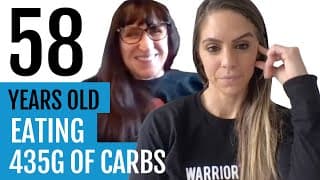
Cheryl on why carbs weren't really behind her menopause night sweats
Plays from 25:59 · Video: Building Muscle at 57 Eating 435g of Carbs: Cheryl's Story
Eating well through perimenopause may lessen the load on hot flashes and sleep
Plays from 52:12 · Ep. 207: Early Signs of Perimenopause and How to Manage Them
Cheryl on spacing her carbs evenly across meals instead of loading up
Plays from 5:31 · Video: Building Muscle at 57 Eating 435g of Carbs: Cheryl's Story
The full answer
On Ep. 207, Hatty McCafferty, a certified menopause consultant, says the real problem is a day of sharp peaks and troughs in blood sugar. Her example: toast with jam for breakfast, a cookie at 11 when you're tired, a decent lunch, chocolate in the afternoon. That pattern sets you up for intense insulin spikes and drops, and she says that is when night sweats and hot flashes become much more likely. What you want instead is gentle ups and downs. Her practical starting point is protein first thing, whether that's eggs, chicken, fish or tofu, alongside foods she enjoys like toast, sweet potato or avocado.
You don't have to give up carbs to do this. In a WarriorBabe client story, Cheryl, 57, says she once believed carbs gave her night sweats during menopause. She now eats about 435 grams of carbs a day, with at least 75 of them at dinner, and says she sleeps like a baby. Her take is that it was the carbs she was eating and when she ate them that caused trouble, not carbs themselves. She also spreads her carbs evenly across meals instead of loading up on one, because she knows a huge serving at lunch leaves her exhausted.
Diet is one piece of a bigger picture. Hatty puts eating well alongside strength training, stress management and sleep, and says they all affect each other. She agrees that eating right through perimenopause can lessen the load on hot flashes, sleep disturbances and mood swings. She also notes that many women under-eat.
This is what the guests and clients on the show describe from their own experience, not a medical treatment. If hot flashes are disrupting your life, talk them through with your doctor while you work on steadier, well-fueled eating.
From Nikkiey Stott and WarriorBabe's coaching. For education, not medical advice: talk to your doctor about your own health.
Women also ask
More questions →
Menopause & Perimenopause Weight Loss
What are the first signs of perimenopause?
According to guests on The WarriorBabe Show, the first signs usually aren't hot flashes or missed periods. Dr. Jolene Brighten says falling progesterone shows up first as worsening PMS, irritability, breast tenderness and waking at night before your period, sometimes from 35. Hatty McCafferty adds sleep disruption, skin changes, digestive shifts and fatigue.
Read the answer →
Menopause & Perimenopause Weight Loss
How much protein do women in menopause need?
Nikkiey's recommendation is about one gram of protein per pound of body weight, so a 150-pound woman aims for roughly 150 grams a day, and that target stays the same through menopause. Guests on The WarriorBabe Show land in a similar range, and several say most women are eating far too little.
Read the answer →
Menopause & Perimenopause Weight Loss
Do I need to do cardio to lose weight in menopause?
No. Nikkiey says cardio isn't what drives fat loss in menopause, and leaning on it can backfire. She explains that too much cardio spikes cortisol and burns muscle, especially in a calorie deficit. What she recommends instead is strength training as the foundation, plus enough protein, daily walking and proper recovery.
Read the answer →
Watch or listen in full
More on this topic →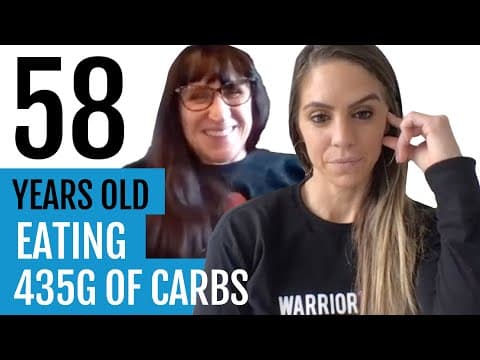 34 min
Building Muscle at 57 Eating 435g of Carbs: Cheryl's Story
Video · Dec 8, 2020
 1 hr 3 min
Early Signs of Perimenopause and How to Manage Them
With Hatty McCafferty