

From 2 episodes
Should I do intermittent fasting during menopause?
Answered by Nikkiey Stott · Updated
The short answer
Maybe, but it's individual. On Ep. 130, dietitian Esther Blum says menopausal women in her practice tolerate fasting best, though it may not suit women with hypothyroidism, cortisol or adrenal issues, chronic illness, or disordered eating history. On Ep. 117, Dr. Stephen Cabral warns fasting can become one more stressor on hormones. If you try it, start with 12 hours.
Hear it answered
Tap play to start right where it's answered. It keeps playing while you browse.
Esther Blum on why menopausal women often tolerate fasting well, and who shouldn't try it
Plays from 51:48 · Ep. 130: How to Navigate Menopause: Protein, Carbs, HRT and Lifting
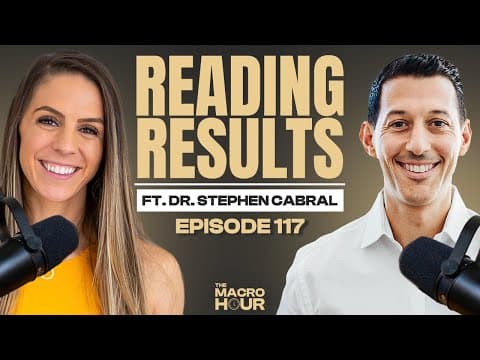
Dr. Cabral on how fasting and cutting calories add to a woman's total stress load
Plays from 17:47 · Ep. 117: What Can At-Home Hormone Testing Tell Women Over 40?
Esther on fueling heavy lifting and the warning signs that fasting isn't working
Plays from 52:42 · Ep. 130: How to Navigate Menopause: Protein, Carbs, HRT and Lifting
Nikkiey asks about women with thyroid and cortisol issues who want to fast
Plays from 15:39 · Ep. 117: What Can At-Home Hormone Testing Tell Women Over 40?
The full answer
The two guests come at this from different angles. On Ep. 130, Esther Blum says that in her practice, menopausal women, who no longer have a monthly cycle, handle fasting better than anyone. Many can go long stretches without eating and report good energy, focus and fat loss. On Ep. 117, Nikkiey raises what the WarriorBabe coaches see: many women arrive with thyroid issues or high cortisol, already under-eating, and wanting to go low carb or fast. Dr. Stephen Cabral sees fasting and cutting calories as extra stress on top of hard workouts, HIIT, cold plunges and poor sleep. When the total load gets too high, he says, hormones respond to it. He also calls long-term keto very detrimental for women and favors a balance of carbs, protein and fat.
If you want to try it, Esther's guidance is practical:
- Start with a 12-hour window, for example finishing dinner by 7 PM and not eating before 7 AM.
- A shorter window makes protein harder to hit, because each meal has to carry more of it.
- If you're active and lifting heavy, don't stretch the fast longer. She finds most menopausal women in her practice need to fuel their workouts.
- If you feel fatigued, irritable or shaky, it's probably not a fit for you.
Who should be cautious? Esther names women with hypothyroidism, cortisol or adrenal issues, a chronic illness, or a history of eating disorders or disordered eating. That overlaps with the women Nikkiey describes coming to WarriorBabe. If any of that is you, bring it up with your doctor before you shrink your eating window.
The takeaway from both episodes: fasting is a tool, not a requirement. If it has left you tired and under-fueled for your training, the timing was the wrong fit for your body. It doesn't mean you lack discipline.
From WarriorBabe's coaches (how we write our answers). For education, not medical advice: talk to your doctor about your own health.
Women also ask
More on Menopause & Perimenopause Weight Loss →
Menopause & Perimenopause Weight Loss
How much protein do women in menopause need?
Nikkiey's recommendation is about one gram of protein per pound of body weight, so a 150-pound woman aims for roughly 150 grams a day, and that target stays the same through menopause. Guests on The WarriorBabe Show land in a similar range, and several say most women are eating far too little.
Read the answer →

Menopause & Perimenopause Weight Loss
What are the first signs of perimenopause?
According to guests on The WarriorBabe Show, the first signs usually aren't hot flashes or missed periods. Dr. Jolene Brighten says falling progesterone shows up first as worsening PMS, irritability, breast tenderness and waking at night before your period, sometimes from 35. Hatty McCafferty adds sleep disruption, skin changes, digestive shifts and fatigue.
Read the answer →
Menopause & Perimenopause Weight Loss
How much sleep do I need to lose weight after menopause?
Aim for seven to eight hours a night, at a consistent bedtime. That's the target both Maggie Topham and another WarriorBabe coach set for women after menopause. Short sleep raises cortisol, disrupts hunger hormones and slows recovery, so even a well-built plan can stall. Sleep isn't optional; it's when your body does the fat-loss work.
Read the answer →

Menopause & Perimenopause Weight Loss
How do I lose weight after menopause?
Stop eating less and doing more cardio, and start building muscle while eating enough. Nikkiey Stott explains that after menopause you lose roughly 1% of your muscle a year, so strength training, fueled by enough protein, carbs and fats, is what changes your body. Kelly stalled on 1,200 calories, while Annette and Maggie lost weight eating more.
Read the answer →
Menopause & Perimenopause Weight Loss
Why does eating less backfire during menopause?
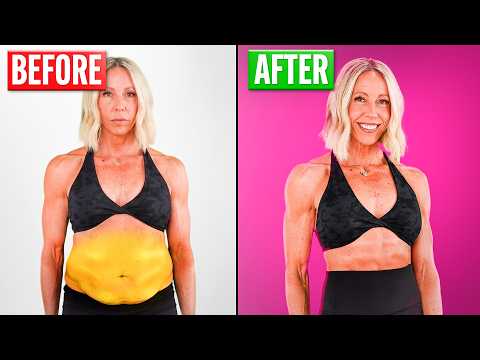
WarriorBabe's coaches explain that eating less during menopause costs you muscle, and with fewer estrogen receptors your body already struggles to hold on to it. Less muscle means a lower metabolic rate. Restriction also leaves you stuck, with nothing left but cutting further, which they say isn't sustainable. Their fix is eating more, especially protein, plus strength training.
Read the answer →
Menopause & Perimenopause Weight Loss
Can you still lose weight during perimenopause?
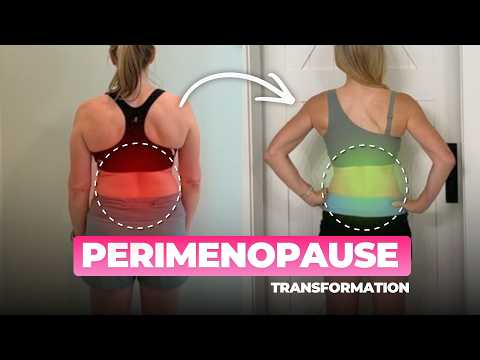
Yes. The show's view is that perimenopause makes fat loss harder, not impossible. Shifting hormones can push your body toward insulin resistance and belly fat, so the old approach of eating less and doing more cardio tends to backfire. What works for the women on the show is eating enough, prioritizing protein and lifting heavier.
Read the answer →
Watch or listen in full
More on this topic →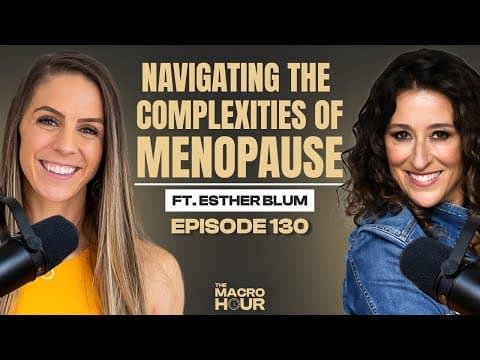 1 hr 6 min
How to Navigate Menopause: Protein, Carbs, HRT and Lifting
With Esther Blum
 43 min
What Can At-Home Hormone Testing Tell Women Over 40?
With Dr. Stephen Cabral