

From 1 episode and 1 video
How do I lose visceral fat after menopause?
Answered by Nikkiey Stott and her guests · Updated
The short answer
Nikkiey's approach is to build muscle rather than chase the scale. Strength train consistently, swap long cardio for short sprint intervals, walk daily, and take an honest look at alcohol. She says strength training can reduce visceral fat even when your weight doesn't change, so track your waist measurement, not just pounds.
Hear Nikkiey answer it
Tap play to start right where it's answered. It keeps playing while you browse.
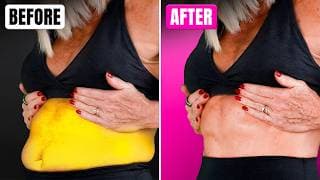
Why long cardio backfires in menopause and the exact sprint interval protocol to use
Plays from 2:15 · Video: Best Exercises for Menopause Belly Fat After 50
Nikkiey on how estrogen and cortisol shift fat to the belly after menopause
Plays from 0:58 · Video: Best Exercises for Menopause Belly Fat After 50
How to estimate visceral fat at home with waist and waist-to-hip measurements
Plays from 14:22 · Ep. 401: How to Lose Visceral Fat After Menopause
What visceral fat is and why you can look lean but still carry it
Plays from 4:23 · Ep. 401: How to Lose Visceral Fat After Menopause
The full answer
Nikkiey explains that after menopause, the fat you're fighting has changed. As estrogen drops, so does your ability to hold onto muscle. Fat shifts from your hips and thighs to your belly and around your organs, and she says cortisol rises and drives storage in the midsection. Visceral fat sits behind your abdominal muscles, wrapped around your liver, pancreas, intestines and heart. You can't see or pinch it, and a woman can look lean and still carry a lot of it. Nikkiey says she went from hours of cardio and starving herself with zero results to a flatter stomach once she trained for her body at this age. If the old approach stopped working, it's the plan, not you.
What she recommends:
- Strength train consistently. On Ep. 401 she says studies show it reduces visceral fat mass even when the scale doesn't move and even without calorie restriction. The goal is building muscle.
- Add sprint interval training: warm up 3-5 minutes, sprint at maximum effort for 20-30 seconds, rest 90 seconds to two minutes, and repeat for 3-8 rounds. Start small. She warns that long cardio sessions, or intervals done too long or too often, keep cortisol elevated.
- Walk at a pace where you can talk but are moving with purpose, aiming for about 10,000 steps a day, spread out however works.
- Look honestly at alcohol, which she calls one of the most direct drivers of visceral fat.
To track progress, measure your natural waist at belly-button level first thing in the morning. She cites research linking a waist above 35 inches in women with elevated visceral fat, and a waist-to-hip ratio above 0.85 as another sign. She's clear these aren't perfect: they can't separate visceral from subcutaneous fat and are prone to measuring error. A DEXA scan is the most accurate non-invasive option. For hormone and menopause questions specific to you, work with your doctor.
From Nikkiey Stott and WarriorBabe's coaching. For education, not medical advice: talk to your doctor about your own health.
Women also ask
More questions →
Menopause & Perimenopause Weight Loss
Why do women gain weight during menopause?
On The WarriorBabe Show, the answer is mostly hormonal, not a willpower problem. As estrogen declines, fat storage shifts from the hips and thighs to the belly and around the organs. Muscle also becomes easier to lose. Guests add that insulin and stress are major drivers, even when your eating and training stay the same.
Read the answer →
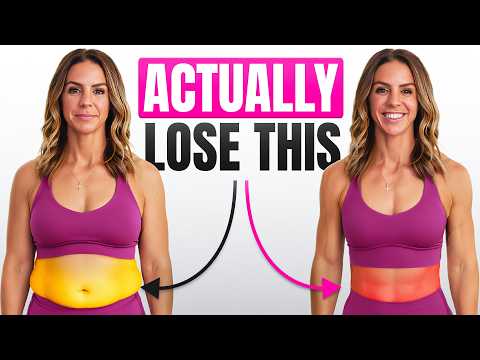
Menopause & Perimenopause Weight Loss
Why is menopause belly fat so hard to lose?
Nikkiey explains that menopause belly fat is hard to lose because falling estrogen shifts fat storage to your midsection, much of it as visceral fat that drives insulin resistance and more storage. Rising cortisol adds to it, and the usual fix of eating less and doing more cardio raises cortisol further, so the body holds on tighter.
Read the answer →
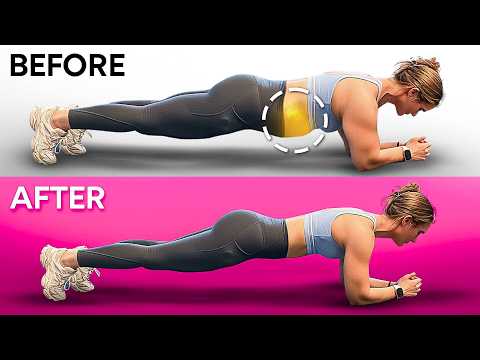
Menopause & Perimenopause Weight Loss
Is HIIT bad for women in menopause?
Not necessarily. Nikkiey explains that what backfires in menopause is long, frequent, exhausting cardio, which keeps cortisol elevated and encourages belly fat storage. Short sprint interval training, with 20 to 30 second all-out efforts and full rest, is one of her core exercises. For everything else, she favors low-impact incline walking.
Read the answer →
Watch or listen in full
More on this topic →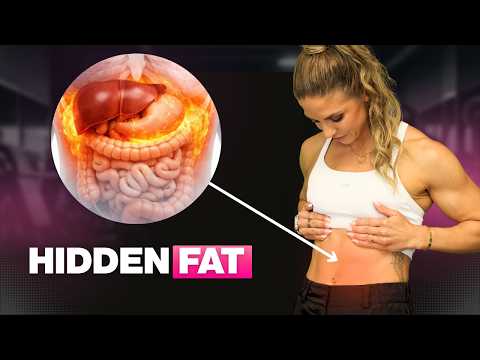 27 min
How to Lose Visceral Fat After Menopause
Episode 401 · Oct 2, 2026
 7 min
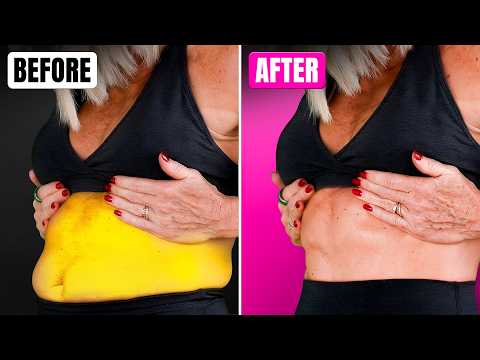
Best Exercises for Menopause Belly Fat After 50
Video · Apr 1, 2026