

 21 min
Should Women Over 40 Take Creatine? Pros and Cons
Episode 192 · Sep 23, 2024
16 episodes
From Nikkiey Stott and the WarriorBabe coaching team · Updated Oct 25, 2026
If you have stood in a supplement aisle or scrolled past one more ad promising to fix your metabolism after 40, you already know the problem. Everyone is selling something, the claims contradict each other, and it is hard to tell what deserves your money and what is just noise. Creatine sounds like a bodybuilder product, magnesium gets credited with everything, and you may be drinking more coffee than ever and still feel tired by late afternoon.
21 minEpisode 192 · Sep 23, 2024
 1 hr 3 min
With Dr. Stacy Sims
 20 min
Episode 45 · Apr 21, 2023
 27 min
Episode 157 · May 20, 2024
 59 min
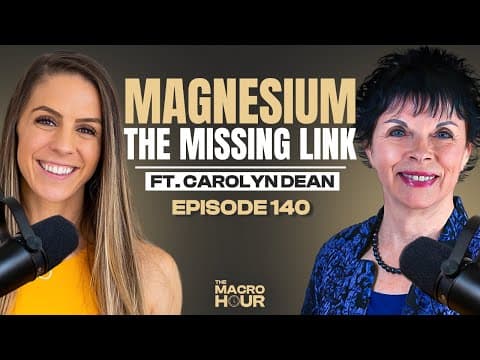
With Dr. Carolyn Dean
The WarriorBabe Show starts from one simple position, and Nikkiey Stott repeats it often: supplements will not get you results. In Which Workout Supplements Are Actually Worth Taking?, she says hard work, effort and consistency are what build muscle and change your body composition, and supplements can only support that work. She won't recommend fat burners, lotions or chemically enhanced products, because in her view your best fat burner is strength training, hitting your steps and doing the cardio in your plan. Most of your food should come from whole foods. Jordan Syatt makes a similar point when he tells you to eat your vegetables instead of buying greens powders, and Dr. Stephen Cabral calls supplements one tool among eight, not a rescue.
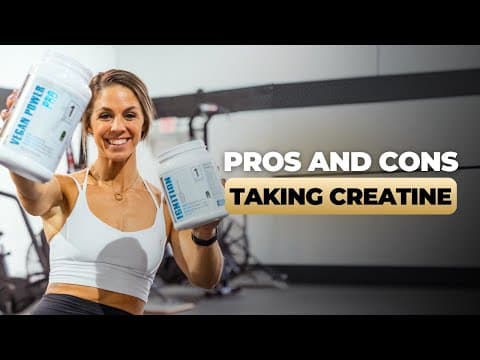
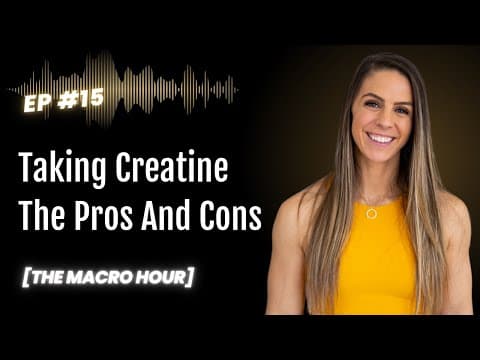
Within that frame, a few supplements come up again and again. Creatine gets the most attention. In Should Women Over 40 Take Creatine? Pros and Cons, Nikkiey explains how it helps your muscles produce energy, then walks through the benefits for strength, muscle, performance, recovery and brain function. She is just as honest about the downsides, including water weight on the scale, digestive upset, kidney concerns and the need to drink enough water. She sees it as useful for women in menopause who want to hold on to muscle and strength. In Why a 1200-Calorie Diet Fails Women Over 40, Dr. Stacy Sims names creatine monohydrate, omega-3s and vitamin D as the three supplements she says most women benefit from.
Magnesium is the other recurring name. Nikkiey takes magnesium and vitamin D daily, as she explains in How to Balance Hormones With Nutrition for Fat Loss. In Does Magnesium Help Muscle Cramps and Workout Recovery?, Dr. Carolyn Dean, author of The Magnesium Miracle, explains why she believes low magnesium can show up as cramps, twitching and fatigue, and why a standard blood test may not catch it.
Then there is caffeine, which the show treats as something to examine rather than a supplement to add. In How to Quit Caffeine: Withdrawal, Benefits and Tips, Nikkiey shares how she was drinking roughly 800 to 900 milligrams a day and had stopped getting any energy from it. Her follow-up, Should Women Over 40 Take a Break From Caffeine?, covers the rough first weeks, what her Oura Ring showed, and why she went back at a much lower dose.
If you are new here, start with the creatine episode, then listen to Which Workout Supplements Are Actually Worth Taking? for the bigger picture. Nikkiey's advice if you only try one thing is protein powder, because protein is what most women struggle to hit. And as she says throughout, talk to your healthcare provider before adding creatine or any supplement.
Supplements & Creatine
Nikkiey says creatine can be a smart addition for many women in menopause who want to keep or build muscle and strength. As estrogen drops, the risk of osteoporosis and fractures rises, and she notes creatine is commonly used by older adults for muscle support. She advises checking with your doctor first and staying well hydrated.
Read the answer →
Supplements & Creatine
Not on their own. Nikkiey says no supplement will get you fat loss results, and she won't recommend fat burners. On The WarriorBabe Show, her answer is that your best fat burner is a calorie deficit, strength training to build muscle, your daily steps and the cardio in your plan. Supplements may help along the way, nothing more.
Read the answer →
Supplements & Creatine
Creatine can make the scale go up, but it doesn't make you fat. Nikkiey explains that creatine pulls water into your muscles, making them look larger and fuller. That extra weight is mostly water, usually temporary, and sometimes new muscle. Track your progress with photos instead of the scale so the number doesn't throw you.
Read the answer →
Supplements & Creatine
You don't have to. Nikkiey says a caffeine break is worth testing if you're drinking caffeine but still exhausted by the end of the day, foggy, or no longer getting the lift you used to. She tapered over two weeks, stayed off about five, saw her sleep and focus improve, then brought coffee back slowly.
Read the answer →
 19 min
Episode 408 · Oct 26, 2026
 1 hr 4 min
With Jordan Syatt
 54 min
With Lara Briden
 1 hr 0 min
With Dr. Stephen Cabral
 35 min
Episode 172 · Jul 15, 2024
 24 min
Episode 168 · Jun 28, 2024
 1 hr 0 min
With Autumn Smith
 50 min
With Risa Groux
 27 min
Episode 34 · Mar 27, 2023
 19 min
Episode 15 · Feb 10, 2023
 19 min
Episode 13 · Feb 6, 2023
Nikkiey Stott sees creatine as useful for women in menopause who want to hold on to muscle and strength, and Dr. Stacy Sims names creatine monohydrate as one of three supplements she says most women benefit from. Nikkiey's consistent advice is to talk to your healthcare provider before adding it.
The scale may go up, but Nikkiey explains that it is water pulled into the muscle, not fat. That is why she suggests taking progress photos instead of obsessing over the number.
She takes it with food in her post-workout protein shake. She also stresses that staying hydrated is non-negotiable, since dehydration is a risk if you are not drinking enough water.
Dr. Carolyn Dean explains her view that low magnesium shows up as cramps, spasms and twitching, and that a standard serum blood test often looks normal even when you are low. She treats a laxative effect as the signal you've taken more than you can absorb.
If you rely on caffeine and are still tired at the end of the day, Nikkiey suggests a break may be a useful test. She tapered down gradually, had fatigue, headaches and brain fog at first, and noticed natural energy and clearer thinking around week three before reintroducing caffeine at around 190 to 200 milligrams a day.
Nikkiey won't recommend fat burners, lotions or chemically enhanced products. In her view, your best fat burner is strength training, hitting your steps and doing the cardio in your plan, and if you try one supplement, start with protein powder.