

From 1 video
How do I make a home workout harder without a gym?
Answered by WarriorBabe's coaches · Updated
The short answer
Make it harder by adding two to three reps or a few extra seconds each week, shortening your rest between sets, and slowing every movement down. When that starts to feel too easy, one WarriorBabe coach suggests adding light dumbbells or resistance bands. You don't need a gym or heavy weights to keep progressing.
Hear it answered
Tap play to start right where it's answered. It keeps playing while you browse.
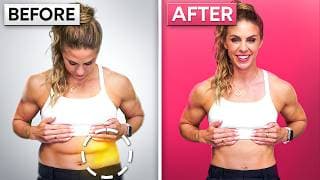
One WarriorBabe coach on why your home workout has to get harder to keep you changing
Plays from 5:19 · Video: 5-Move No-Equipment Home Workout for Women Over 40
Her four levers: more reps or seconds, less rest, slower reps, then bands or dumbbells
Plays from 5:32 · Video: 5-Move No-Equipment Home Workout for Women Over 40
Why control, not speed, is what drives muscle activation at home
Plays from 2:38 · Video: 5-Move No-Equipment Home Workout for Women Over 40
The full answer
One WarriorBabe coach explains that the point where a home routine starts to feel comfortable is where most women stop, but making it more challenging is what keeps your body changing and building muscle. Her progression levers, in order:
- Add two to three reps, or a few extra seconds on holds, each week so your muscles stay challenged.
- Shorten the rest between sets to raise endurance and intensity.
- Slow each rep down for more control and deeper muscle engagement.
- When the bodyweight versions feel too easy, add light dumbbells or resistance bands.
Slowing down is the lever people tend to skip. Throughout the workout she cues it: move with control and intention, because this is about muscle activation, not speed. On wall angels she describes moving as if you're pressing through water. On the glute bridge with a march, she says to keep your hips lifted and your core engaged rather than rushing the reps. Time under tension is how a short hold or a simple movement becomes real work. By the second round of a 30 to 45 second hold, she says, you'll feel the burn, and that gentle challenge is where muscles get stronger without putting your joints at risk.
One caution from the coach: progress isn't about feeling exhausted or sore for days. If you've been chasing workouts that wipe you out, that isn't the measure. Small, steady weekly increases are. The choice of exercises matters too. Incline push-ups against a wall, counter or sturdy table, and glute bridges instead of squats if squats bother your knees, let you work hard without strain. Change one variable at a time, keep your form, and let the plan do the work.
From WarriorBabe's coaches (how we write our answers). For education, not medical advice: talk to your doctor about your own health.
Women also ask
More on Strength Training for Women →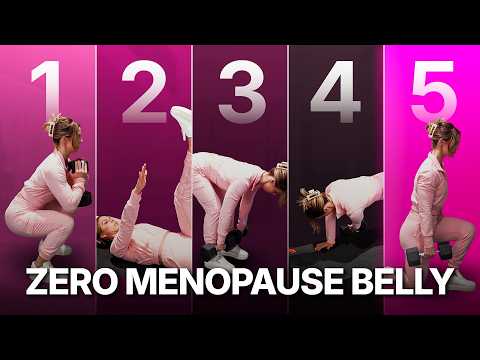
Strength Training for Women
What is a back-friendly alternative to sit-ups?
The dead bug is a back-friendly alternative to sit-ups. One WarriorBabe coach explains that sit-ups aren't the most back-friendly move as we get older. Dead bugs train your core to resist movement, which supports spinal health, posture and strength. She says they help if you've dealt with lower back pain, and you only need a mat.
Read the answer →
Strength Training for Women
What can I do if I can't do a full push-up?
Start with a modified push-up. Do them against a wall, counter or sturdy table, or with your knees on the floor instead of a full plank. WarriorBabe's coaches favor incline push-ups for women over 40 because they ease wrist and shoulder strain while working the same muscles. Lower the incline as you get stronger.
Read the answer →
Strength Training for Women
Are squats bad for your knees after 40?
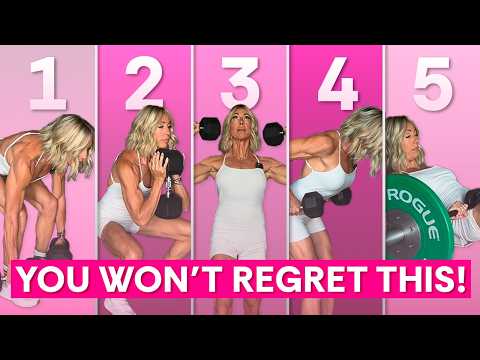
No. Maggie explains that knees usually hurt because the muscles around them are weak, and the squat is the single best exercise for strengthening the quads, glutes and the whole chain that supports the knee. Avoiding squats doesn't protect your knees; it lets them get worse. Her own knee pain eased within weeks of goblet squatting.
Read the answer →

Strength Training for Women
How often should I change my workout program?
Most of the time, run a program for four to eight weeks before changing it, and never less than four. Nikkiey's rule is to change for a reason, not because you're bored. Keep any lift that's still progressing, and don't run the same program unchanged for six months.
Read the answer →

Strength Training for Women
Should I do cardio before or after lifting weights?
Lift first. One WarriorBabe coach explains that doing cardio before weights burns through your pre-workout meal and leaves you depleted for the most demanding part of the workout, so cardio goes last. On Ep. 291, Maggie Topham goes further: keep them separate, and if you only have time for one, choose strength training and walk later.
Read the answer →

Strength Training for Women
How many days a week should I lift weights?
Three to four days a week is Nikkiey's core recommendation for women over 40: 30 to 45 minutes per session, built on compound lifts and progressive overload, with walking on off days and seven to eight hours of sleep. Lifting six or seven days a week, she says, breaks down muscle faster than you can rebuild it.
Read the answer →
Watch or listen in full
More on this topic → 7 min
5-Move No-Equipment Home Workout for Women Over 40
Video · Nov 1, 2025