

The short answer
No. Nikkiey explains that building significant muscle as a woman takes years of intentional, progressive heavy training plus eating in a calorie surplus. It does not happen from lifting three days a week. What you get instead is a leaner, more defined, stronger body that is more metabolically efficient.
Hear it answered
Tap play to start right where it's answered. It keeps playing while you browse.
Nikkiey on why bulk takes years of heavy training and a surplus, not accidents
Plays from 22:40 · Ep. 373: Why Women Over 40 Need Strength Training
The three things muscle size actually requires: heavy weights, volume, a calorie surplus
Plays from 6:57 · Ep. 175: Will Lifting Weights Make Women Bulky? The Real Answer
Susan Niebergall on why powerlifters look bigger and why you don't need to worry
Plays from 21:26 · Ep. 56: Is It Too Late to Build Muscle After 50?
Nikkiey on lower testosterone and why women who lift build lean physiques
Plays from 5:29 · Ep. 34: Common Fitness Myths Women Over 40 Should Stop Believing
Alicia Erickson on how nutrition, not lifting, decides how bulky you get
Plays from 14:39 · Ep. 221: How to Get Lean and Strong at 51 With Lifting and Protein
The full answer
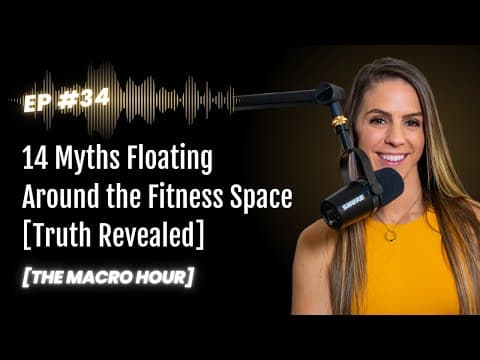
Nikkiey is blunt about this one: you will not stumble into bulky. On Ep. 175 she breaks muscle size down into three requirements working together: heavy weights, high volume and a significant calorie surplus. On Ep. 34 and Ep. 175 she adds that women have much lower testosterone than men, which makes bulking up far harder. She points to her own 11 years of training on Ep. 373 and Ep. 400. She has muscle, but day to day she describes herself as having nice toned arms and a feminine structure.
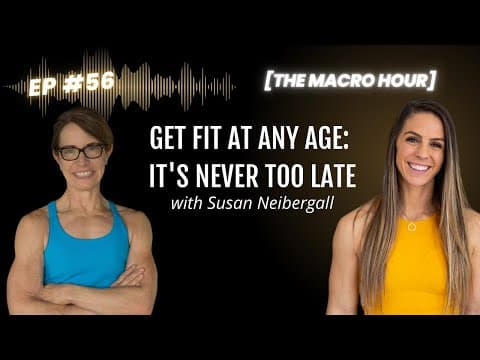
So who are the women you picture when you think too muscular? Nikkiey says they have usually worked extraordinarily hard for years. On Ep. 175 and Ep. 34 she adds that some competitors in the bodybuilding world use performance-enhancing drugs. She notes the NPC federation is known for steroid use, while she competed natural in the OCB. On Ep. 56, strength coach Susan Niebergall says many of the bigger powerlifters women see changed their eating on purpose to get bigger, and that is not what building muscle is about for most of us.
On Ep. 221, Alicia Erickson, known as the Midlife Maven, says your nutrition decides how bulky you get. She points to her own lean build after transforming at 51 as proof. Her advice is to get out of your own way with preconceived notions and expect the process to take months, if not years.
The flip side matters too. Nikkiey explains on Ep. 34 that toned is simply what it looks like when you lose body fat and build lean muscle. You can't get there by avoiding weights. On Ep. 400 she warns that light workouts that never challenge your muscles leave you stuck where you are. Fear of bulk is often the very thing keeping you from the shape you actually want.
From WarriorBabe's coaches (how we write our answers). For education, not medical advice: talk to your doctor about your own health.
Women also ask
More on Strength Training for Women →
Strength Training for Women
Does Pilates build muscle?
Not in any meaningful way once you're past beginner level. Nikkiey explains that Pilates can help you maintain muscle and is great for mobility, flexibility and balance, but it can't grow new muscle the way strength training can. Building muscle takes progressive overload with dumbbells and barbells, and Pilates classes don't provide that kind of load.
Read the answer →

Strength Training for Women
How do I get over gym anxiety?
Start by remembering that almost nobody is watching you. Nikkiey says most of the judgment lives in your own head. Then make it easier on yourself: learn the exercises on YouTube before you go, wear a hat as blinders, start small in a quiet corner, and walk into the weight room anyway, even scared.
Read the answer →
Strength Training for Women
Are classes like F45 or Orangetheory enough to build muscle?
Not on their own. Nikkiey explains that F45, Orangetheory and CrossFit include strength work but don't prioritize muscle growth the way a progressive overload program does, because everyone in the room does the same workout. Keep the classes if you love them, but make them about 20% of your training and progressive lifting the other 80%.
Read the answer →
Strength Training for Women
How long should a strength workout be?
Nikkiey Stott says 45 to 60 minutes of focused, progressive strength work is enough for women over 40 to change their body composition. Unless you're a competitive athlete, sessions of 90 minutes or more add fatigue and recovery demand without adding results. Short on time? A 20 to 30 minute session with fewer sets and heavier weights still counts.
Read the answer →
Strength Training for Women
What is progressive overload?
Progressive overload is gradually increasing the stress you place on your muscles over time so they keep having a reason to adapt and grow. Nikkiey explains you do it by adding small amounts of weight, reps, sets, or changing tempo and rest, while sticking with the same exercises long enough to measure progress.
Read the answer →

Strength Training for Women
How many days a week should I lift weights?
Three to four days a week is Nikkiey's core recommendation for women over 40: 30 to 45 minutes per session, built on compound lifts and progressive overload, with walking on off days and seven to eight hours of sleep. Lifting six or seven days a week, she says, breaks down muscle faster than you can rebuild it.
Read the answer →
Watch or listen in full
More on this topic → 41 min
How to Get Lean and Strong at 51 With Lifting and Protein
With Alicia Erickson
 57 min
Is It Too Late to Build Muscle After 50?
With Susan Niebergall
 27 min
Common Fitness Myths Women Over 40 Should Stop Believing
Episode 34 · Mar 27, 2023