

The short answer
Guests on The WarriorBabe Show put it at 20 to 30 grams of fiber a day (Dr. Morgan Nolte, Ep. 159), with at least 25 grams as the floor (Dr. Jolene Brighten, Ep. 279). Fiber slows the blood sugar response, feeds your gut bacteria and helps you feel full, which is why it sits next to protein in their plans.
Hear it answered
Tap play to start right where it's answered. It keeps playing while you browse.
Dr. Morgan Nolte recommends 20 to 30 grams of fiber a day
Plays from 38:12 · Ep. 159: How to Reverse Insulin Resistance After 40
Dr. Jolene Brighten on 30 g protein a meal and 25 g fiber a day
Plays from 30:38 · Ep. 279: Early Perimenopause Signs Women Over 40 Should Know
Abbey Sharp on fiber as fuel for your gut bacteria
Plays from 36:36 · Ep. 306: How to Stop Food Cravings Without Restrictive Dieting
Jordan Syatt on calories, protein and fiber as the big three
Plays from 42:29 · Ep. 215: How to Start Tracking Food Without Feeling Overwhelmed
Risa Groux on soluble vs insoluble fiber and when to be careful
Plays from 22:26 · Ep. 155: What Causes Autoimmune Disease and Can Diet Help?
The full answer
Dr. Morgan Nolte recommends 20 to 30 grams of fiber a day on Ep. 159, as part of her plan for insulin resistance: protein first, then fiber, then the rest of your calories from healthy fats and carbs as you tolerate them. On Ep. 279, Dr. Jolene Brighten structures the day the same way: at least 30 grams of protein at every meal, at least 25 grams of fiber across the day, and added sugar (not fruit) under 25 grams.
Why it matters:
- Morgan explains that fiber isn't the same as starch and sugar. Eaten with food, it gives a slower, lower blood sugar and insulin response, feeds your gut microbiome and adds volume, which helps you feel full.
- Abbey Sharp (Ep. 306) calls fiber the fuel for your gut bacteria, and says they like variety: fruits, vegetables, legumes, nuts and seeds. She adds that it helps with the bloating and bowel changes many women notice in perimenopause and menopause.
- Dr. Brighten (Ep. 279) explains that the liver sends estrogen to the bowels to be eliminated, and that fiber is part of clearing it.
Jordan Syatt (Ep. 215) puts it simply: outside of calories, protein and fiber are the two things most worth tracking, and carbs and fats can fall wherever you like. He says keeping fiber in check takes care of important health markers like cholesterol and blood pressure.
One nuance: Risa Groux (Ep. 155) says the kind of fiber matters, soluble or insoluble, and that she is careful with it for people with gut conditions such as SIBO. If you have a digestive condition, work out your fiber with your doctor.
From WarriorBabe's coaches (how we write our answers). For education, not medical advice: talk to your doctor about your own health.
Women also ask
More on Macros & Macro Tracking →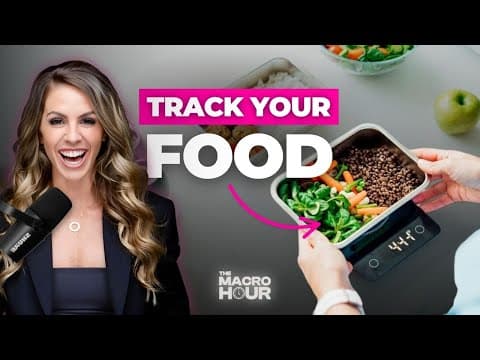
Macros & Macro Tracking
How long should I track macros before switching to intuitive eating?
Nikkiey's answer is at least a year of consistent tracking, and often longer. Across episodes she gives ranges from one to three years, and her own journey took six to ten years. The finish line isn't a date. You keep tracking until you can eyeball a plate and estimate its protein, carbs and fat without weighing.
Read the answer →
Macros & Macro Tracking
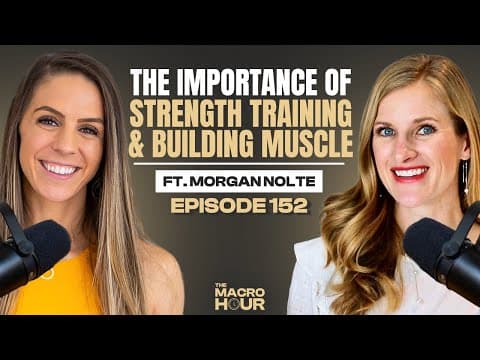
How do I start tracking macros as a beginner?
Start by learning to track before chasing any numbers. Nikkiey has beginners log what they normally eat in MyFitnessPal for seven days, then focus on protein first and add fats and carbs later. Keep your meals simple and repetitive for the first few weeks so tracking becomes a skill, not a source of overwhelm.
Read the answer →

Macros & Macro Tracking
Does counting macros really work for weight loss after 40?
Yes, for many women it does, because it replaces guesswork with structure. On The WarriorBabe Show, women over 40 describe losing fat and building muscle once they tracked macros and lifted. One nuance: guest Jordan Syatt says that for pure fat loss, calories, protein and fiber matter most, and full macros are optional.
Read the answer →

Macros & Macro Tracking
Do I have to track macros forever?
No. Nikkiey is clear that you don't have to track macros for the rest of your life. Tracking and weighing your food is a temporary, educational phase that teaches you what real portions of protein, carbs and fat look like. Do it consistently for a couple of years and it becomes second nature.
Read the answer →
Macros & Macro Tracking
How do I make tracking macros less overwhelming?
Make the job smaller at first. The women on the show who stuck with it started small: tracking only protein, planning one day and repeating it, or picking a few meals from a sample plan. Nikkiey says week one might take half an hour a day, but by week three or four it takes five to ten minutes.
Read the answer →
Macros & Macro Tracking
How do I track macros when eating out?
Order simple dishes you can estimate, like salmon with rice and vegetables, ask for sauce on the side, ballpark the portion, find something similar in your app, log it and move on. Weighing food at home trains your eye, and asking for extra protein keeps you on track. The goal is consistency and awareness, not perfection.
Read the answer →
Watch or listen in full
More on this topic →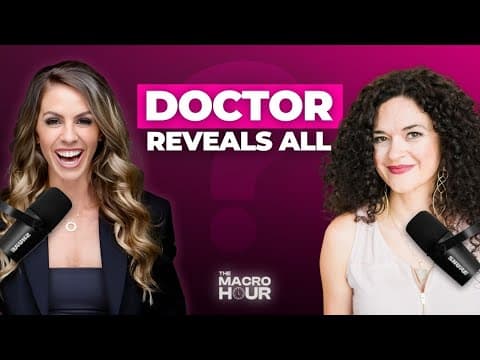 1 hr 1 min
Early Perimenopause Signs Women Over 40 Should Know
With Dr. Jolene Brighten
 56 min
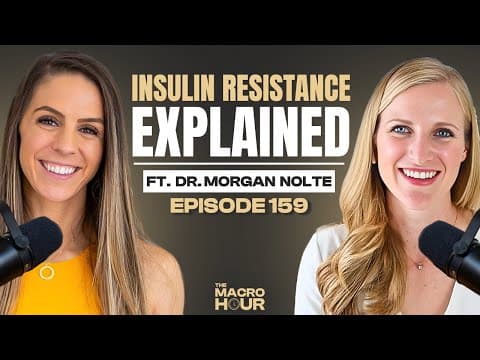
How to Reverse Insulin Resistance After 40
With Dr. Morgan Nolte
 1 hr 4 min
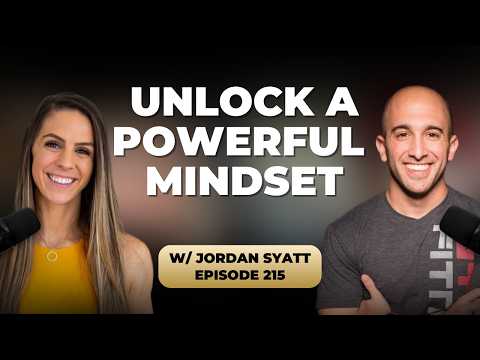
How to Start Tracking Food Without Feeling Overwhelmed
With Jordan Syatt