

From 2 episodes and 3 videos
Does counting macros really work for weight loss after 40?
Answered by Nikkiey Stott and WarriorBabe's coaches · Updated
The short answer
Yes, for many women it does, because it replaces guesswork with structure. On The WarriorBabe Show, women over 40 describe losing fat and building muscle once they tracked macros and lifted. One nuance: guest Jordan Syatt says that for pure fat loss, calories, protein and fiber matter most, and full macros are optional.
Hear it answered
Tap play to start right where it's answered. It keeps playing while you browse.

Johanna, 62, on tracking macros and the changes that came before the scale moved
Plays from 9:36 · Video: Swapping Pilates and Spin for Lifting at 62: Johanna's Story
Jordan Syatt on why calories, protein and fiber matter most for fat loss
Plays from 42:17 · Ep. 215: How to Start Tracking Food Without Feeling Overwhelmed

A coach on how macros changed her body in eight to 10 weeks after four babies
Plays from 0:00 · Video: Working Out Hard but Body Not Changing? Try Macros
Nikkiey on why macro tracking supports muscle and fat loss in menopause
Plays from 2:30 · Ep. 98: Why Build Muscle During Menopause? 4 Key Reasons

Rachel, 44, on her results after seven weeks of eating by her macros
Plays from 4:15 · Video: Working Out but No Muscle at 44? Rachel's Macro Story
The full answer
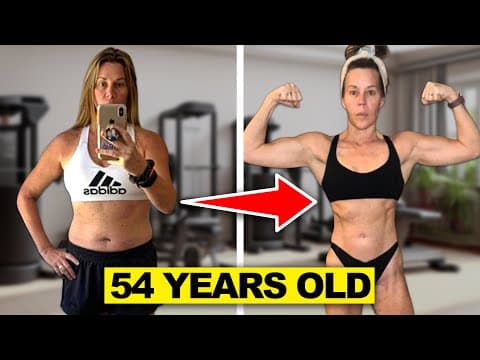
The stories on the show share a pattern: hard work in the gym, little structure around food, and a body that would not change. Johanna, 62, was doing spin and Pilates most days and swinging between strict low-carb eating and no structure at all. With a structured 1,800 calories, macros tracked, lifting three days a week and two full rest days, she lost almost 13 and a half pounds and two inches off her waist in just over 90 days. Rachel, 44, says that by her seventh week she was seeing less body fat, more muscle and a smaller waist. One WarriorBabe coach shares that after four babies, moving from "healthy eating" to specific macros took off about 10 pounds in eight to 10 weeks, and she ate ice cream every night.
Expect the scale to move last. In Johanna's story, the coach explains that the first signals are energy, mood, cravings, sleep, strength and how your clothes fit. Johanna's first changes were steadier cravings and no more swinging between strict and off the rails. Those first two weeks are where most women quit.
On Ep. 98, Nikkiey explains that macro tracking during menopause helps you get a balance of nutrients that supports building muscle and burning fat, and that added muscle helps your metabolism. That is the show's view, not medical advice, so bring hormone questions to your doctor.
The nuance comes from Ep. 215. Guest Jordan Syatt says that from a purely fat-loss perspective he focuses on calories, protein and fiber, and carbs and fats can fall wherever you want. He brings in full macros mainly for athletes, serious trainees, or people who enjoy the numbers. He also notes weighing and measuring takes extra time at first but under five minutes a day after a month. So if tracking every macro feels like too much, starting with calories, protein and fiber is a legitimate way in.
From WarriorBabe's coaches (how we write our answers). For education, not medical advice: talk to your doctor about your own health.
Part of
Macros & Macro Tracking →Women also ask
More questions →
Macros & Macro Tracking
How do I start tracking macros as a beginner?
Start by learning to track before chasing any numbers. Nikkiey has beginners log what they normally eat in MyFitnessPal for seven days, then focus on protein first and add fats and carbs later. Keep your meals simple and repetitive for the first few weeks so tracking becomes a skill, not a source of overwhelm.
Read the answer →

Macros & Macro Tracking
How long should I track macros before switching to intuitive eating?
Nikkiey's answer is at least a year of consistent tracking, and often longer. Across episodes she gives ranges from one to three years, and her own journey took six to ten years. The finish line isn't a date. You keep tracking until you can eyeball a plate and estimate its protein, carbs and fat without weighing.
Read the answer →
Macros & Macro Tracking
How long does tracking macros take each day?
Expect up to an hour, sometimes an hour and a half, a day at first. On The WarriorBabe Show, Nikkiey Stott says that drops with a couple of weeks of consistent practice, to 30 minutes, then about 10. Years in, she logs her day in two to three minutes, and client Debra does hers in about two.
Read the answer →
Watch or listen in full
More on this topic →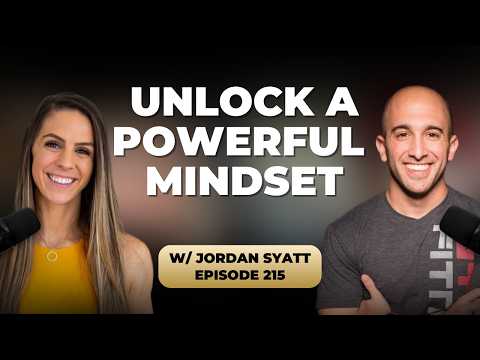 1 hr 4 min
How to Start Tracking Food Without Feeling Overwhelmed
With Jordan Syatt
 7 min
Why Build Muscle During Menopause? 4 Key Reasons
Episode 98 · Oct 6, 2023
 17 min
Swapping Pilates and Spin for Lifting at 62: Johanna's Story
Video · Sep 2, 2026