

From 3 videos
Can I track macros without a food scale?
Answered by Nikkiey Stott and WarriorBabe's coaches · Updated
The short answer
Yes, for stretches like vacations and meals out, but the show frames it as a skill you build by weighing first. Nikkiey explains that paying attention to portions on the scale teaches you what four ounces or 50 grams looks like, so you can estimate a restaurant plate with confidence and get back to your routine afterward.
Hear it answered
Tap play to start right where it's answered. It keeps playing while you browse.

Nikkiey on using portions learned from weighing to estimate meals out with confidence
Plays from 35:24 · Video: Outcome vs Identity-Based Habits: 3 Layers of Change

Michelle on eyeballing salmon at restaurants and logging generous estimates
Plays from 24:44 · Video: Regaining Strength at 67 by Eating More: Michelle's Story

A coach explains why daily weighing trains your eye to guess portions accurately
Plays from 6:25 · Video: Can You Eyeball Portions After Years of Tracking Macros?
Michelle on ordering simple meals so macros are easy to estimate on vacation
Plays from 26:41 · Video: Regaining Strength at 67 by Eating More: Michelle's Story
The full answer
The scale is the training ground, and eyeballing is what it trains. Nikkiey explains that if you notice the portions you put on the scale, seeing what four ounces or 50 grams looks like, you'll feel more confident looking at a plate when you're out to eat. A vacation without a scale is temporary. Enjoy it, don't stuff yourself just because you can, make smart choices, and if you can get to a grocery store, buy protein. She says it's the macro people struggle most to hit while traveling. Expect the scale to fluctuate, and know that once you're back in your routine, you're back on track.
Michelle, a WarriorBabe client, shares how she does it. She doesn't bring a scale to restaurants or make a fuss at the table. She orders simple meals such as salmon with sautéed vegetables and brown rice, and she avoids dishes like casseroles with dozens of unknown ingredients. She estimates on the generous side. If a fillet looks a little over four ounces, she logs it as six. After a trip to Rocky Point, Mexico, she came back with no change in weight. The coach interviewing her stresses that the goal is consistency, not perfection. Tracking your best guess still keeps you aware of what you're eating.
How accurate can guessing get? In one challenge, a WarriorBabe coach with years of tracking behind her tried to guess six foods within a tight margin. She got four of six. Egg whites and oatmeal, foods she weighs every day, were exact. She missed chicken partly because she guessed a portion she doesn't usually eat. Her point is that eating the same foods and measuring them daily ingrains those portions. So if you're newer to tracking, keep weighing at home, and you'll trust your eye more when the scale isn't there.
From WarriorBabe's coaches (how we write our answers). For education, not medical advice: talk to your doctor about your own health.
Part of
Macros & Macro Tracking →- Is tracking macros better than counting calories?
- Can I still eat treats while tracking macros?
- How long does it take to get good at tracking macros?
- How long should I track macros before switching to intuitive eating?
- Is counting macros just another diet?
- Why do I have so many macros left over at the end of the day?
Women also ask
More questions →
Macros & Macro Tracking
Should I weigh my food or use measuring cups when tracking macros?
Weigh it. Nikkiey recommends a food scale in grams and ounces because cups aren't fully accurate. Food can be packed into a cup, so you may be eating more than you think. She uses ounces for meats like chicken, turkey and ground beef, and grams for rice, oatmeal, peanut butter, jelly and yogurt.
Read the answer →

Macros & Macro Tracking
Do I have to track macros forever?
No. Nikkiey is clear that you don't have to track macros for the rest of your life. Tracking and weighing your food is a temporary, educational phase that teaches you what real portions of protein, carbs and fat look like. Do it consistently for a couple of years and it becomes second nature.
Read the answer →
Macros & Macro Tracking
How do I make tracking macros less overwhelming?
Make the job smaller at first. The women on the show who stuck with it started small: tracking only protein, planning one day and repeating it, or picking a few meals from a sample plan. Nikkiey says week one might take half an hour a day, but by week three or four it takes five to ten minutes.
Read the answer →
Watch or listen in full
More on this topic →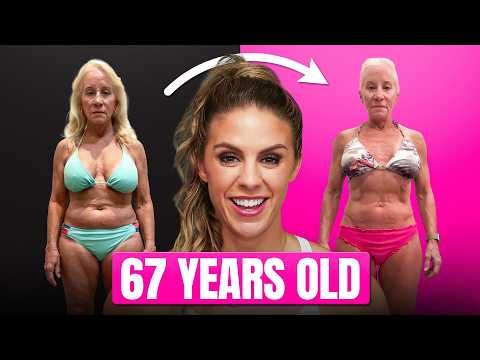 38 min
Regaining Strength at 67 by Eating More: Michelle's Story
Video · Mar 11, 2026
 39 min
Outcome vs Identity-Based Habits: 3 Layers of Change
Video · Feb 25, 2022
 8 min
Can You Eyeball Portions After Years of Tracking Macros?
Video · May 12, 2024