

 57 min
Is It Too Late to Build Muscle After 50?
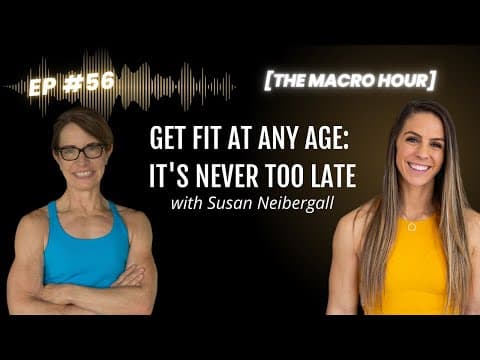
With Susan Niebergall
Guest on the show
57 minWith Susan Niebergall
Susan Niebergall spent decades on Jenny Craig, Slim Fast, low-fat eating and strict clean eating, always hungry and never able to keep the weight off. In her mid-50s she stopped blaming her age and menopause, had her bloodwork checked, and took an honest look at how much she was eating. Then she hired Jordan Syatt as her coach. Now 62, she is an online strength coach, runs the Inner Circle with Jordan, and wrote Fit At Any Age: It's Never Too Late.
Nikkiey and Susan get practical. Susan explains why she weighs in every day and watches the trend line instead of turning a weekly weigh-in into an event. She covers the most common training mistakes she sees: relying on classes instead of a structured program, lifting weights that are too light, and dieting constantly while expecting to build muscle. She also explains why maintenance, which she and Jordan call momentum, is her preferred place to build muscle, and how to decide between a deficit and maintenance based on how much fat you have to lose.
They also talk about progressive overload, tracking your workouts as carefully as your food, and setting performance goals like a first chin-up so you get progress you can feel long before the mirror changes. Susan started jiu-jitsu at 62, and her point is a simple one. It takes work at any age, but it is never too late to start.
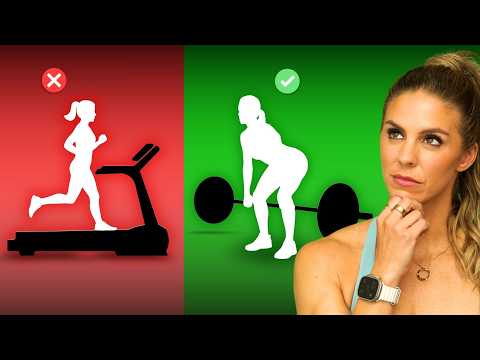
Strength Training for Women
No. Nikkiey explains that building significant muscle as a woman takes years of intentional, progressive heavy training plus eating in a calorie surplus. It does not happen from lifting three days a week. What you get instead is a leaner, more defined, stronger body that is more metabolically efficient.
Read the answer →

Strength Training for Women
Progressive overload is gradually increasing the stress you place on your muscles over time so they keep having a reason to adapt and grow. Nikkiey explains you do it by adding small amounts of weight, reps, sets, or changing tempo and rest, while sticking with the same exercises long enough to measure progress.
Read the answer →

Building Muscle After 40
Yes, you can build some muscle in a calorie deficit, especially if you're newer to strength training or have more fat to lose, but not as much as at maintenance or in a surplus. Nikkiey explains that a modest deficit, enough protein and a real lifting program work. Crash-level calories like 1,200 don't.
Read the answer →
Building Muscle After 40
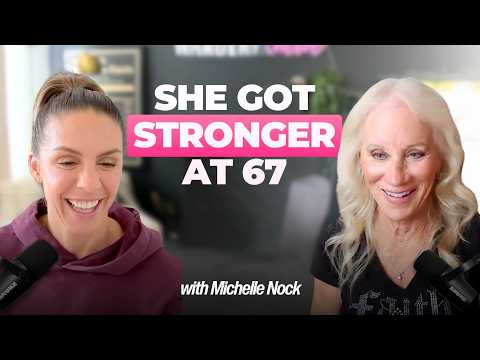
Yes, you can build muscle in your 60s. On The WarriorBabe Show, Nikkiey shares clients who did it. Cheryl added muscle and lost fat between 57 and 60, Sandra hit 90-pound lunges at 61, and Michelle got stronger at 67. Nikkiey says it took hard work, consistency and patience, with no special circumstances.
Read the answer →

Building Muscle After 40
Think in years, not weeks. Nikkiey says it took her a solid three to four years to build solid muscle, and she suggests women expect their journey to take 18 months or more. Visible changes may show in six months to two years depending on where you start, if training, protein and recovery stay consistent.
Read the answer →

The Scale & Tracking Progress
Daily, if you can stay neutral about the number. Nikkiey suggests weighing every morning and comparing weekly averages, or weighing two to three times a week if daily weigh-ins trigger you. Guests Susan Niebergall and Paula Ciarniello also favor daily weighing, because a single weekly weigh-in can land on a water-retention day and mislead you.
Read the answer →
Susan recommends it, because daily weigh-ins give you 30 or 31 data points a month and a trend line. A weekly weigh-in becomes an event people change their behavior for, and a single day of water retention can make you think you gained fat when you didn't.
Susan says no, none of us have to worry about that. She explains that many of the bigger powerlifters women see have eaten very differently on purpose to get bigger, and that isn't what building muscle is about.
Susan says it depends. With a substantial amount of weight to lose, stay in a modest deficit and train like you're building muscle, since you can build some muscle under fat, especially if you're new to training. With little to lose, move to maintenance and focus on muscle, or alternate periods such as three months of deficit and three months of building.
Susan describes it as getting better over time in some way, most commonly by adding weight, but also by adding reps at the same weight or adding a set. She says you need to track your workouts so you know what to beat next time.
Susan says building muscle takes more time than losing fat and you have to think in years, not months. She doesn't even know exactly how far apart her own transformation photos are, because she was focused on her strength goals.
Susan's message is that it is never too late. She turned things around in her mid-50s, started jiu-jitsu at 62, and says building muscle may be a bit harder as we get older but we can always do it.