

From 1 episode and 6 videos
How do I lose weight after menopause?
Answered by Nikkiey Stott, Maggie Topham and WarriorBabe's coaches · Updated
The short answer
Stop eating less and doing more cardio, and start building muscle while eating enough. Nikkiey Stott explains that after menopause you lose roughly 1% of your muscle a year, so strength training, fueled by enough protein, carbs and fats, is what changes your body. Kelly stalled on 1,200 calories, while Annette and Maggie lost weight eating more.
Hear it answered
Tap play to start right where it's answered. It keeps playing while you browse.
Nikkiey on why muscle loss after menopause makes old methods stop working
Plays from 0:36 · Ep. 409: Best Strength Exercises for Women in Menopause
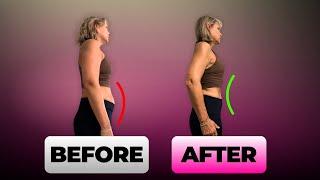
Kelly on dropping below 800 calories and still not getting results
Plays from 4:32 · Video: Strength Training After Knee Surgery at 61: Kelly's Story
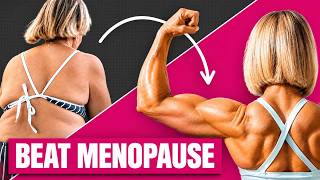
Maggie on losing her fear of carbs and eating 2,500 calories with 150g protein
Plays from 5:48 · Video: Quit Cardio, Ate More, Lost 60 Pounds in Menopause
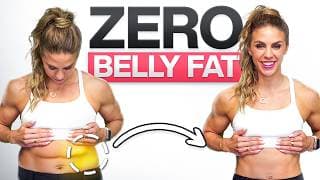
A coach on why cutting carbs backfires and which carbs and fats to choose
Plays from 3:59 · Video: Simple Macro Formula for Losing Menopause Belly Fat
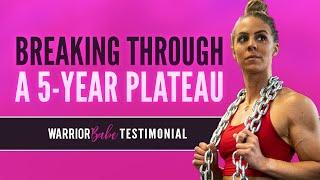
Annette on learning to eat enough and losing 21 pounds at 56
Plays from 3:16 · Video: Losing 21 Pounds at 56 After Menopause and Lockdown
The full answer
The old playbook stops working, and that isn't your fault. On Ep. 409, Nikkiey explains that estrogen used to support muscle protein synthesis. Once that support is gone, the muscle that drives your metabolism shrinks, so walking more and eating less give you less and less back. Maggie Topham lived this. At 47 she was doing more cardio than ever and gaining weight faster than ever. Kelly was told to eat 1,200 calories, skip weights and walk. She got down to under 800 calories and was angry and hungry, without real results.
What worked was eating more, starting with protein. One WarriorBabe coach recommends a high-protein diet and gives 1 gram of protein per pound of body weight as the target. Maggie aims for 150 grams of protein a day, eats around 2,500 calories of mostly whole foods, and lost 60 pounds. Annette, 56, had been eating two meals a day after a five-year plateau. She learned to eat enough protein, carbs and fats and lost 21 pounds, averaging about a pound a week. On carbs, one coach says cutting them can raise cortisol, which she links to more belly fat. She suggests controlling them with rice, potatoes, oats, fruit and cream of rice, and getting fats from avocados, olive oil, nuts, seeds and fatty fish. Maggie describes muscle as a place for glucose to go: you need carbs to fuel the muscle and muscle to handle the carbs.
Strength training is the other half. Nikkiey says the women whose bodies changed did six core movements, and she stresses training your upper body as well as your legs. One coach adds that lifting helps maintain muscle and supports bone density.
Give it time. Kelly's coach told her it could take a year or more, and that made it easier to keep going. If you're managing hormones, medications or a medical condition, work with your doctor alongside your plan. It's the approach that needs to change, not you.
From WarriorBabe's coaches (how we write our answers). For education, not medical advice: talk to your doctor about your own health.
Women also ask
More on Menopause & Perimenopause Weight Loss →
Menopause & Perimenopause Weight Loss
What is the best diet for menopause weight loss?
On The WarriorBabe Show, the coaches don't point to a trendy diet. They favor a macro-based approach: high protein (about one gram per pound of body weight), controlled whole-food carbs and healthy fats, rather than slashing carbs or calories. Intermittent fasting can work for some women, but only when it's used strategically.
Read the answer →
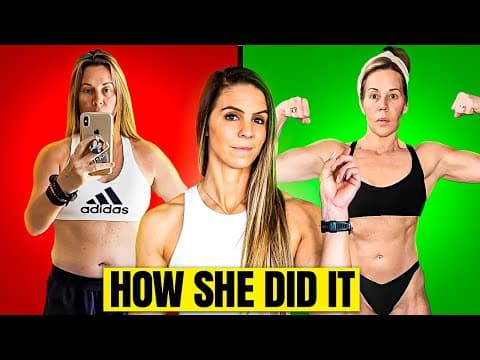
Menopause & Perimenopause Weight Loss
Does exercise help with menopause?
Yes, and on The WarriorBabe Show the exercise that matters most is strength training. As estrogen and testosterone decline, muscle and strength can drop, which raises the risk of falls and injuries. Lifting helps you build and keep muscle and supports bone density. Nikkiey's plan is three lifting days a week, with walking on the off days.
Read the answer →

Menopause & Perimenopause Weight Loss
Why is it so hard to lose weight after menopause?
The show's answer: the plan stopped fitting your body, not the other way round. Maggie Topham explains that as estrogen drops after 40, stress tolerance drops with it, so more cardio and fewer calories keep you stressed rather than leaner. Women who stalled on 800 to 1,000 calories saw change once they ate more, prioritized protein and lifted.
Read the answer →

Menopause & Perimenopause Weight Loss
Do I need to do cardio to lose weight in menopause?
No. WarriorBabe's coaches say cardio isn't what drives fat loss in menopause, and leaning on it can backfire. They explain that too much cardio spikes cortisol and burns muscle, especially in a calorie deficit. What they recommend instead is strength training as the foundation, plus enough protein, daily walking and proper recovery.
Read the answer →

Menopause & Perimenopause Weight Loss
Why is menopause belly fat so hard to lose?
One WarriorBabe coach explains that menopause belly fat is hard to lose because falling estrogen shifts fat storage to your midsection, much of it as visceral fat that drives insulin resistance and more storage. Rising cortisol adds to it, and the usual fix of eating less and doing more cardio raises cortisol further, so the body holds on tighter.
Read the answer →
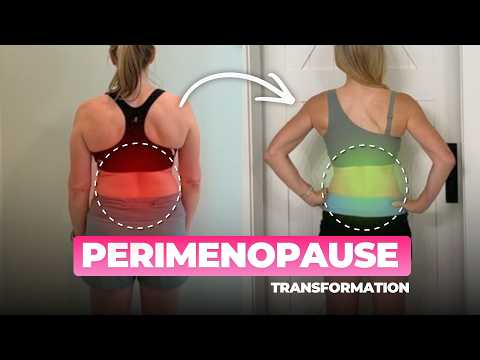
Menopause & Perimenopause Weight Loss
Can you still lose weight during perimenopause?
Yes. The show's view is that perimenopause makes fat loss harder, not impossible. Shifting hormones can push your body toward insulin resistance and belly fat, so the old approach of eating less and doing more cardio tends to backfire. What works for the women on the show is eating enough, prioritizing protein and lifting heavier.
Read the answer →
Watch or listen in full
More on this topic →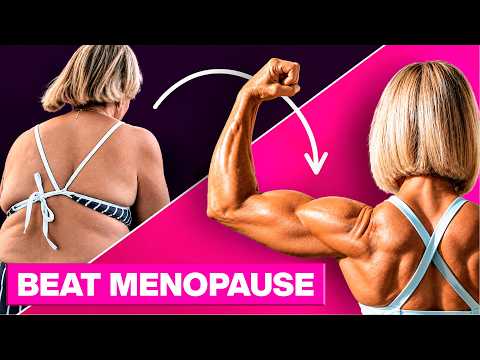 15 min
Quit Cardio, Ate More, Lost 60 Pounds in Menopause
Video · Oct 12, 2026
 19 min
Best Strength Exercises for Women in Menopause
Episode 409 · Oct 30, 2026
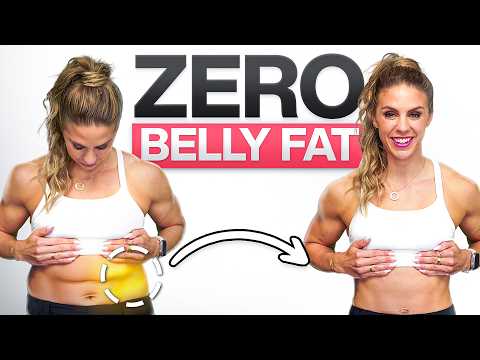 8 min
Simple Macro Formula for Losing Menopause Belly Fat
Video · Jan 31, 2026