

From 1 episode and 3 videos
Does exercise help with menopause?
Answered by Nikkiey Stott and WarriorBabe's coaches · Updated
The short answer
Yes, and on The WarriorBabe Show the exercise that matters most is strength training. As estrogen and testosterone decline, muscle and strength can drop, which raises the risk of falls and injuries. Lifting helps you build and keep muscle and supports bone density. Nikkiey's plan is three lifting days a week, with walking on the off days.
Hear it answered
Tap play to start right where it's answered. It keeps playing while you browse.

A WarriorBabe coach on why falling hormones make strength training essential
Plays from 7:03 · Video: Best Macros for Menopause Belly Fat: A 32/30/38 Split
Nikkiey on why three lifting days and walking on off days is enough
Plays from 13:57 · Ep. 409: Best Strength Exercises for Women in Menopause
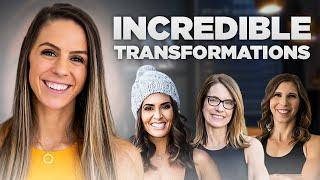
Nikkiey and Amber Brueseke on muscle, bone density and preventing fractures
Plays from 7:30 · Video: How to Start Fat Loss Postpartum: Eat More, Lift, Go Slow

Why reaching menopause with no strength sets your path for 20 years
Plays from 0:39 · Video: What 8 Years in Fitness Taught Me About Lasting Results
The full answer
One WarriorBabe coach puts it plainly: menopause doesn't make you a victim. Your body just needs something different from what you've been doing. She explains that as hormones decline, muscle mass and strength can decline with them. That makes everyday tasks harder and raises the risk of falls. Strength training counters this by building and maintaining muscle and by supporting bone density, which she ties to preventing osteoporosis. The same coach describes two paths. Keep skipping workouts and undereating through menopause, and you may face more doctor's visits and injuries. Take training and eating seriously, and you head somewhere better.
On Ep. 409, Nikkiey Stott lays out a plan that doesn't ask you to live in the gym:
- Three lifting days a week, 30 to 45 minutes each, alternating two workouts of three compound exercises.
- Rest days count, because muscles grow during recovery, not during the workout.
- Walk 7,000 to 10,000 steps on off days. This is for recovery, mood, insulin sensitivity and sleep, not calorie burn.
- Use progressive overload, gradually lifting heavier, because your body only changes when it has to.
In a conversation between Nikkiey and guest Amber Brueseke, they make the point that you can still build muscle as you get older. It may be a bit harder, but it's possible. Being stronger makes you more stable, so you're less likely to fall. If you do fall, built-up bone density lowers the chance of breaking something. And lifting won't make you bulky.
If you've tried endless cardio and gotten nowhere, that isn't a personal failure. You likely needed a different plan. If you have a medical condition or questions about menopause symptoms, work with your doctor alongside your training.
From WarriorBabe's coaches (how we write our answers). For education, not medical advice: talk to your doctor about your own health.
Women also ask
More on Menopause & Perimenopause Weight Loss →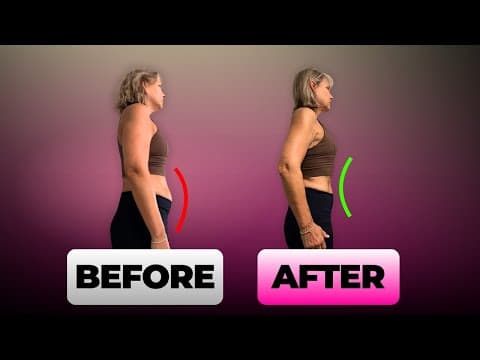
Menopause & Perimenopause Weight Loss
How do I lose weight after menopause?
Stop eating less and doing more cardio, and start building muscle while eating enough. Nikkiey Stott explains that after menopause you lose roughly 1% of your muscle a year, so strength training, fueled by enough protein, carbs and fats, is what changes your body. Kelly stalled on 1,200 calories, while Annette and Maggie lost weight eating more.
Read the answer →
Menopause & Perimenopause Weight Loss
What is the best diet for menopause weight loss?
On The WarriorBabe Show, the coaches don't point to a trendy diet. They favor a macro-based approach: high protein (about one gram per pound of body weight), controlled whole-food carbs and healthy fats, rather than slashing carbs or calories. Intermittent fasting can work for some women, but only when it's used strategically.
Read the answer →

Menopause & Perimenopause Weight Loss
Why is menopause belly fat so hard to lose?
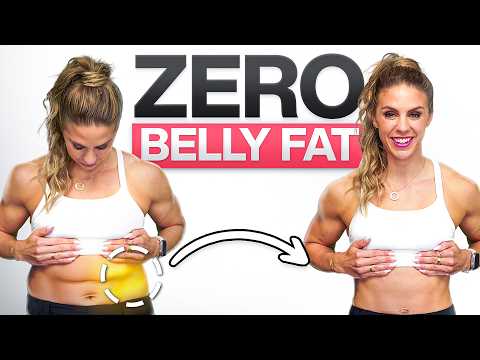
One WarriorBabe coach explains that menopause belly fat is hard to lose because falling estrogen shifts fat storage to your midsection, much of it as visceral fat that drives insulin resistance and more storage. Rising cortisol adds to it, and the usual fix of eating less and doing more cardio raises cortisol further, so the body holds on tighter.
Read the answer →

Menopause & Perimenopause Weight Loss
Can working out too much stop fat loss after menopause?
It can, according to Nikkiey Stott. She explains that piling on workouts adds stress that raises cortisol, a hormone she says is already naturally higher after menopause and linked to storing visceral belly fat. Her motto for women 50 and up is less is more: fewer training days, real rest, and enough food.
Read the answer →
Menopause & Perimenopause Weight Loss
Why does my weight jump around more on the scale in perimenopause?
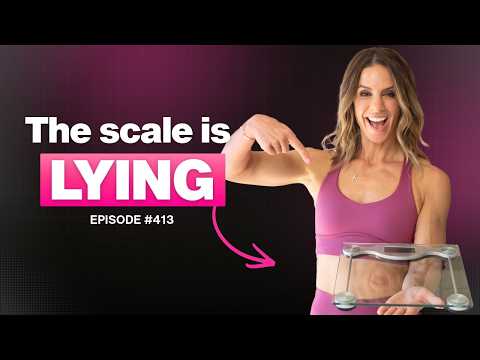
In perimenopause, the scale jumps around more because hormonal variability adds water-retention swings on top of everyday noise. Nikkiey Stott explains that luteal-phase bloat can feel like five pounds, and with irregular cycles you can't compare the same phase month to month. She recommends judging progress over a longer window.
Read the answer →
Menopause & Perimenopause Weight Loss
Can you still lose weight during perimenopause?
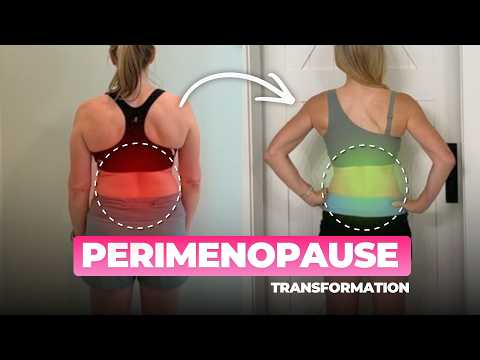
Yes. The show's view is that perimenopause makes fat loss harder, not impossible. Shifting hormones can push your body toward insulin resistance and belly fat, so the old approach of eating less and doing more cardio tends to backfire. What works for the women on the show is eating enough, prioritizing protein and lifting heavier.
Read the answer →
Watch or listen in full
More on this topic → 9 min
Best Macros for Menopause Belly Fat: A 32/30/38 Split
Video · Mar 26, 2023
 19 min
Best Strength Exercises for Women in Menopause
Episode 409 · Oct 30, 2026
 14 min
How to Start Fat Loss Postpartum: Eat More, Lift, Go Slow
With Amber Brueseke