

From 2 episodes and 2 videos
Should my macros be different for losing fat than for building muscle?
Answered by Nikkiey Stott · Updated
The short answer
Yes. Nikkiey Stott says fat loss and muscle building need different game plans. Protein holds steady or goes up in both, around one gram per pound or more, while calories move: a slow, gradual deficit to lose fat, and a slow climb into a surplus, mostly from carbs, to build muscle.
Hear it answered
Tap play to start right where it's answered. It keeps playing while you browse.
Nikkiey breaks down protein, carbs and fats for a lean bulk
Plays from 21:22 · Ep. 377: Lean Bulk for Women: Why the Scale Goes Up When You Eat More
Nikkiey on keeping protein up and ignoring the scale when you cut after a build
Plays from 27:00 · Ep. 82: Macros vs Calories and Workout Recovery for Women Over 40

How to reverse your calories up after hitting your weight loss goal
Plays from 31:03 · Video: Women's Fitness Q&A: Macros, Soreness and Vegetarian Protein

Why toning and building muscle each need their own macro game plan
Plays from 0:59 · Video: 3 Macro Tracking Myths Women Over 40 Should Know
The full answer
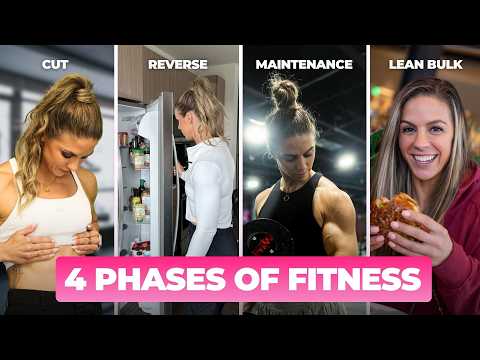
For fat loss after a build, Nikkiey lays out three steps. First, bring calories down slowly and gradually rather than slashing them. Second, keep protein where it is or eat a little more as you get deeper into the cut, so you hold on to the muscle you worked for. Third, track progress with photos and how you feel, not the scale. Muscle is dense, so you may hover around the same weight while your body composition changes. Expect some hunger and a small dip in strength along the way.
For building muscle, on Ep. 377 Nikkiey explains what a lean bulk looks like:
- Protein stays the same or slightly higher than maintenance, about one gram per pound of body weight, and she pushes 1.2 grams for older women.
- Carbs go up on purpose and supply most of the extra calories, because they fuel training, recovery and the progressive overload that builds muscle.
- Fats stay at a healthy baseline to support hormone production. If you know you run better on slightly higher fats, that can work, but she does not recommend cutting carbs out.
Getting from one to the other takes patience. When a listener hit her weight loss goal and wanted to build, Nikkiey recommended a slow reverse: raise calories by about 100 to 150 a week, mostly from carbs and fats, until you reach maintenance. From there, adding 300 to 500 calories moves you into a surplus, and the scale will go up. She calls building a whole different mindset.
Whatever the goal, Nikkiey is clear that macros are not set once and left alone. Keep the same numbers too long and your body adapts and results stall. If you have been truly consistent for three or four weeks and nothing is moving, she suggests a small shift, such as minus 100 calories. It's the plan that needs adjusting, not you.
From WarriorBabe's coaches (how we write our answers). For education, not medical advice: talk to your doctor about your own health.
Women also ask
More on Macros & Macro Tracking →
Macros & Macro Tracking
Do women over 50 need different macros than younger women to lose weight?
Yes and no. Nikkiey Stott says a woman over 50 can't copy a 30-year-old's macros, because your numbers should fit your body, your stats and your goals. But she also says postmenopausal women don't need a special formula like higher fat and lower carb. The priority is eating enough to fuel recovery.
Read the answer →
Macros & Macro Tracking
Is tracking macros better than counting calories?
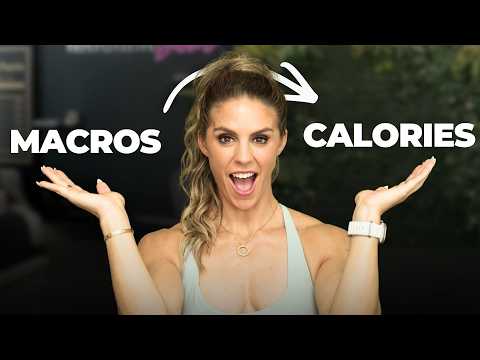
For most women over 40 who want to change how their body looks, yes. Nikkiey explains that macro tracking isn't an alternative to counting calories; it's the more complete version. Calories alone can get the scale moving, but you'll lose muscle with the fat. Tracking protein, carbs and fat lets you lose fat while keeping muscle.
Read the answer →

Macros & Macro Tracking
Do calories still matter if I hit my macros?
If you hit your macros, the calorie number becomes a check, not the goal. One WarriorBabe coach says being 80 calories under or 150 over is fine as long as each macro lands within plus or minus 5 grams. If you're off by around 200 calories, cross-check your nutrition labels to make sure what you logged is accurate.
Read the answer →
Macros & Macro Tracking
Why am I tracking my macros but not losing weight?
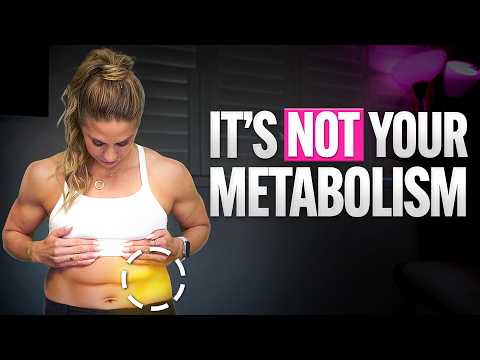
Most often, the data is off, not your body. Nikkiey explains there's a big difference between tracking and tracking accurately. Eyeballed portions, measuring cups, untracked sauces and loose weekends can mean you're not in the deficit your app shows. Results also take longer than a few weeks. They're delayed, not wasted.
Read the answer →

Macros & Macro Tracking
How do I hit my macros when I work long shifts?
Stop waiting for a proper lunch break and plan for five-minute meals. On The WarriorBabe Show, women working 12-hour shifts bring simple food they can eat fast, like cottage cheese, a sandwich, yogurt or a shake. They treat meals like snacks, prep everything the day before, and ask a coworker to cover for a few minutes.
Read the answer →

Macros & Macro Tracking
Do I have to track macros forever?
No. Nikkiey is clear that you don't have to track macros for the rest of your life. Tracking and weighing your food is a temporary, educational phase that teaches you what real portions of protein, carbs and fat look like. Do it consistently for a couple of years and it becomes second nature.
Read the answer →
Watch or listen in full
More on this topic → 2 min
3 Macro Tracking Myths Women Over 40 Should Know
Video · Feb 7, 2021
 35 min
Lean Bulk for Women: Why the Scale Goes Up When You Eat More
Episode 377 · Jul 10, 2026
 1 hr 17 min
Macros vs Calories and Workout Recovery for Women Over 40
Episode 82 · Aug 4, 2023