

From 2 videos
How is tracking macros different from Weight Watchers points?
Answered by WarriorBabe's coaches · Updated
The short answer
Weight Watchers points give food a number to stay under. Macros track protein, carbs and fat, so you learn what your body actually needs. One WarriorBabe coach says points let you eat low-calorie junk and stay on plan. Member Jean says macros let her eat freely without set serving rules.
Hear it answered
Tap play to start right where it's answered. It keeps playing while you browse.

A WarriorBabe coach on why points don't teach nutrient balance
Plays from 1:04 · Video: Keto vs Weight Watchers vs Macros for Women Over 40

Jean on why macros don't feel like a diet compared with Weight Watchers
Plays from 21:59 · Video: Losing Weight at 75 With Home Workouts and Meal Planning
How protein, carbs and fat work together instead of cutting foods
Plays from 1:43 · Video: Keto vs Weight Watchers vs Macros for Women Over 40
Jean on how long tracking took at first and how fast it is now
Plays from 13:49 · Video: Losing Weight at 75 With Home Workouts and Meal Planning
The full answer
One WarriorBabe coach puts the core problem plainly: Weight Watchers makes you obsess over points but doesn't teach you about nutrient balance. You can eat low-calorie junk food and still technically be on plan, while your body isn't getting what it needs. Macros work differently. Every food is made of protein, carbs and fat, and the goal is to balance them, not fear them. In the coach's words:
- Protein builds muscle and keeps you full.
- Carbs fuel your workouts and help with recovery.
- Fats support hormones and brain function.
The coach adds that nothing is off limits. Pizza, chocolate and wine can fit when you adjust your macros, which is why this approach works long term. If you can't eat a certain way for the rest of your life, the weight comes back.
Jean, a member who started at 75, explains how it feels day to day. Weight Watchers felt like a diet to her, built around set servings, a half cup of this or X servings of vegetables. With macros, she can have as many vegetables as she wants as long as they fit. Her mindset shifted from rationing portions to seeing how many grams she can put on the scale and still make it work. The coach calls macros a skill set that will serve you for the rest of your life, not a diet.
One honest note: Jean says tracking took real time at the start, and she was slower while learning to weigh food, something she had already practiced on Weight Watchers. Now it takes her almost no time. She plans a week ahead and reuses days that worked. If points left you counting without understanding, that was the plan, not you.
From WarriorBabe's coaches (how we write our answers). For education, not medical advice: talk to your doctor about your own health.
Part of
Macros & Macro Tracking →- Can I still eat treats while tracking macros?
- How long does it take to get good at tracking macros?
- How long should I track macros before switching to intuitive eating?
- Is counting macros just another diet?
- Why do I have so many macros left over at the end of the day?
- Can I just copy someone else's macros or meal plan?
Women also ask
More questions →
Macros & Macro Tracking
Do I have to track macros forever?
No. Nikkiey is clear that you don't have to track macros for the rest of your life. Tracking and weighing your food is a temporary, educational phase that teaches you what real portions of protein, carbs and fat look like. Do it consistently for a couple of years and it becomes second nature.
Read the answer →
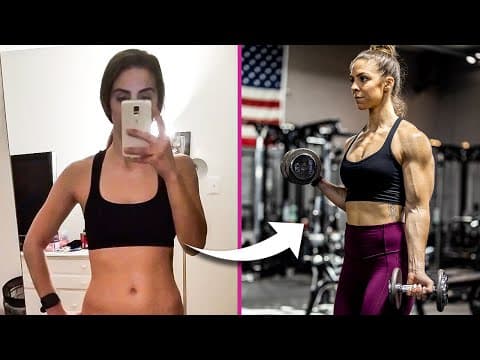
Macros & Macro Tracking
How do I make tracking macros less overwhelming?
Make the job smaller at first. The women on the show who stuck with it started small: tracking only protein, planning one day and repeating it, or picking a few meals from a sample plan. Nikkiey says week one might take half an hour a day, but by week three or four it takes five to ten minutes.
Read the answer →
Macros & Macro Tracking
How do I start tracking macros as a beginner?
Start by learning to track before chasing any numbers. Nikkiey has beginners log what they normally eat in MyFitnessPal for seven days, then focus on protein first and add fats and carbs later. Keep your meals simple and repetitive for the first few weeks so tracking becomes a skill, not a source of overwhelm.
Read the answer →
Watch or listen in full
More on this topic → 24 min
Losing Weight at 75 With Home Workouts and Meal Planning
Video · Jan 22, 2025
 4 min
Keto vs Weight Watchers vs Macros for Women Over 40
Video · Jun 5, 2025