

From 4 episodes and 2 videos
Does alcohol stop you from building muscle?
Answered by Nikkiey Stott and her guests · Updated
The short answer
According to Nikkiey, alcohol works directly against building muscle. It slows muscle protein synthesis, the repair process after strength training, and increases muscle breakdown, so tissue can be broken down faster than it's rebuilt. The result is slower recovery, harder muscle gain and a less toned look, even when you're doing everything else right.
Hear Nikkiey answer it
Tap play to start right where it's answered. It keeps playing while you browse.
Nikkiey on how alcohol slows muscle repair and breaks muscle down faster than it rebuilds
Plays from 10:59 · Ep. 166: How Alcohol Affects Fat Loss and Muscle After 40
Why alcohol is a huge interference with muscle protein synthesis after workouts
Plays from 9:17 · Ep. 107: Does Alcohol Stop Fat Loss and Muscle Gain After 40?
How strength training builds muscle and where alcohol disrupts the process
Plays from 4:34 · Ep. 12: Does Alcohol Stop Fat Loss and Muscle Growth?
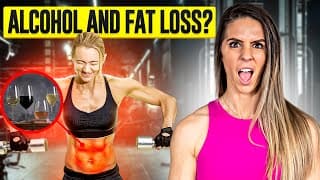
How alcohol cuts into deep sleep, when muscle repair and recovery happen
Plays from 4:57 · Video: 5 Ways Drinking Hurts Muscle Recovery and Fat Loss
Client Valerie on going from daily drinks to three occasions in 10.5 months
Plays from 25:56 · Ep. 270: How to Get Toned at 49 After Years of Dieting
The full answer
Strength training creates small tears in your muscle fibers, and your body repairs them afterward. That repair is what builds muscle and strength. On Ep. 12 and Ep. 166, Nikkiey explains that alcohol slows that repair and also increases muscle breakdown, so you can end up losing muscle instead of gaining it. On Ep. 107 she calls it a drastic interference with muscle protein synthesis, and estimates that if you're drinking, your odds of getting the muscle and fat loss results you want drop to below about 30%, no matter how hard you work the rest of your plan.
The show points to a few other ways drinking gets in the way:
- Hormones: Nikkiey says alcohol can lower testosterone and growth hormone, which matter for muscle growth and recovery, and can raise cortisol, which she links to muscle breakdown. On Ep. 166 she adds that she already sees low growth hormone, low testosterone and off-balance cortisol in many women's test results in her program. If hormones are a concern for you, work through that with your doctor.
- Energy: she says alcohol can interfere with insulin delivering energy to your cells, leaving you lower on energy for workouts in the days after.
- Dehydration: it can reduce muscle endurance and power and throw off electrolytes, leading to cramps.
- Sleep: it impairs deep sleep, the stage where muscle repair happens, and can push up appetite the next day.
None of this is about willpower. If you're training and eating well and still not seeing muscle, drinking may be the piece quietly undoing the work. On Ep. 270, client Valerie says hearing the alcohol episode made her realize it would work against her muscle gain, so she went from drinking daily to three occasions in 10.5 months, two drinks each time. Nikkiey's own view, which she states as personal opinion, is that alcohol is poison.
From Nikkiey Stott and WarriorBabe's coaching. For education, not medical advice: talk to your doctor about your own health.
Women also ask
More questions →
Sleep, Recovery & Lifestyle
Does alcohol affect sleep?
Yes. Nikkiey explains that alcohol may help you fall asleep faster, but it disrupts deep and REM sleep later in the night, raises your heart rate and body temperature, and wakes you up. That poor sleep then raises cortisol, shifts hunger hormones, increases cravings and hurts your next workout for 24 to 48 hours.
Read the answer →
Sleep, Recovery & Lifestyle
How can I improve my sleep?
Start with the basics Nikkiey returns to again and again: cut screens and bright light before bed, keep your room cool and pitch black with the phone out, and go to bed and wake at the same times. Then try Dr. Stephen Cabral's 3-2-1 rule: no food three hours before bed, no liquids two hours, no screens one hour.
Read the answer →
Sleep, Recovery & Lifestyle
How do I recover from muscle soreness faster?
Recover faster by fixing your recovery inputs, not by pushing harder. Nikkiey points to sleep, eating enough (especially protein), and hydration, plus not hammering the same muscles over and over. She recommends spreading leg work across full-body sessions instead of one brutal leg day, and treating soreness past 72 hours as a sign to reassess.
Read the answer →
Watch or listen in full
More on this topic → 29 min
Does Alcohol Stop Fat Loss and Muscle Gain After 40?
Episode 107 · Nov 27, 2023
 8 min
5 Ways Drinking Hurts Muscle Recovery and Fat Loss
Video · Feb 9, 2023
 16 min
Does Alcohol Stop Fat Loss and Muscle Growth?
Episode 12 · Feb 3, 2023