

The short answer
Track the changes the scale can't show: waist and body measurements, side-by-side progress photos, how your clothes fit, and whether you're lifting more than two weeks ago. Nikkiey also watches energy, sleep, cravings, recovery and habits like hitting protein and showing up to train. The scale becomes supporting data, not the decision maker.
Hear it answered
Tap play to start right where it's answered. It keeps playing while you browse.
Nikkiey's 10 questions to measure progress instead of stepping on the scale
Plays from 20:37 · Ep. 287: How to Stop Obsessing Over the Scale and Measure Progress
Measurements, clothes fit, strength, energy and confidence as non-scale progress
Plays from 15:38 · Ep. 245: Why Does My Weight Fluctuate Daily? Scale Mindset Tips
The leading indicators to track when the scale distorts reality
Plays from 23:55 · Ep. 395: Why Am I Not Seeing Results After 4 Weeks of Training?
The metrics that actually measure fat loss, and why the scale is supporting data
Plays from 12:57 · Ep. 334: Weight Loss vs Fat Loss: Why the Scale Misleads Women
Why bicep measurements and side-by-side photos tell more than the scale
Plays from 16:42 · Ep. 180: Fat Loss vs Weight Loss: Why the Scale Isn't Your Goal
The full answer
Start with your body itself. On Ep. 180 and Ep. 6, Nikkiey gives the example of a bicep that grows two inches in six months while the scale stays put. That's muscle, not failure. On Ep. 245 she points to photos taken in the same clothes, waist, hip and arm measurements shrinking, and jeans or sports bras getting looser. Someone can lose only three to five pounds and still be down several dress sizes. Ep. 334 adds waist circumference as a key fat-loss marker.
Then track how you perform and feel. On Ep. 395, Nikkiey calls these your leading indicators:
The scale is a lagging indicator that catches up only if you stay in it long enough. Weeks three through five often feel like nothing is happening, and visible change may not show until around day 90.
- Are you lifting more than two weeks ago?
- How are your energy and sleep?
- Are you hitting your protein?
- Are you showing up for workouts?
On Ep. 287 she offers 10 questions, including whether cravings are less intense, whether you're less bloated, less reactive to stress, and whether you like the woman you're becoming. Instead of weighing in each morning, read two of them and answer honestly and objectively. Let that, not the number, decide where you need to show up better.
The scale can stay as a tool. On Ep. 334 Nikkiey notes a two-pound jump can come from sodium, your period, poor sleep, stress or dehydration. If you weigh, Ep. 245 says do it at the same time under the same conditions: morning, after the bathroom, before food or water, wearing the same thing. Nikkiey herself hasn't weighed in for months. Why it matters, per Ep. 180: chasing the number leads women to slash calories further, and that spiral is the plan failing, not you.
From WarriorBabe's coaches (how we write our answers). For education, not medical advice: talk to your doctor about your own health.
Women also ask
More on The Scale & Tracking Progress →
The Scale & Tracking Progress
What is the difference between weight loss and fat loss?
Weight loss is any drop on the scale, and it can come from fat, muscle, water, undigested food and even organs. Fat loss means reducing body fat specifically while keeping your lean muscle. Nikkiey explains that fat loss is what makes you look leaner, stronger and more defined, so it should be the goal.
Read the answer →

The Scale & Tracking Progress
Why isn't the scale moving when I'm strength training?
The scale often stalls with strength training because you can build muscle while losing fat at the same time, so your weight barely changes while your body composition does. Nikkiey explains that muscle is denser and takes up less space than fat. Water retention, glycogen, your cycle and hormonal shifts can also stall or spike the number.
Read the answer →

The Scale & Tracking Progress
Why does the scale go up when I'm doing everything right?
Because the scale measures total body mass, not fat. Nikkiey explains that water retention, sodium, glycogen from carbs, inflammation from hard training, stress, your cycle, poor sleep, constipation and travel can all push the number up overnight. None of that means you gained fat. Watch weekly trends, measurements and photos instead of single weigh-ins.
Read the answer →
The Scale & Tracking Progress
How often should I weigh myself?
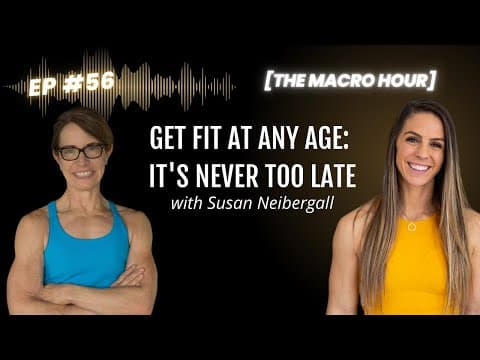
Daily, if you can stay neutral about the number. Nikkiey suggests weighing every morning and comparing weekly averages, or weighing two to three times a week if daily weigh-ins trigger you. Guests Susan Niebergall and Paula Ciarniello also favor daily weighing, because a single weekly weigh-in can land on a water-retention day and mislead you.
Read the answer →

The Scale & Tracking Progress
What is the best time of day to weigh myself?
Weigh yourself in the morning, after a full night's sleep, after you've used the bathroom and before you eat or drink anything. Nikkiey says to keep the conditions the same each time, including what you wear, and never to weigh in at night, when the day's food, water, sodium and training can push the number up several pounds.
Read the answer →
The Scale & Tracking Progress
Can I lose fat if the scale isn't moving?
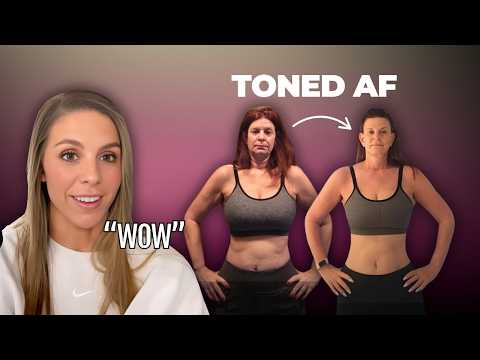
Yes. Across several episodes, women's weight held steady or even went up while their bodies got leaner: smaller clothes, more muscle, a smaller waist. Nikkiey explains that the muscle you build is denser than the fat you had, so the scale can't show what's changing. Photos, measurements and how your clothes fit tell you far more.
Read the answer →
Work out yours
All calculators →Watch or listen in full
More on this topic → 18 min
Weight Loss vs Fat Loss: Why the Scale Misleads Women
Episode 334 · Feb 6, 2026
 30 min
Why Am I Not Seeing Results After 4 Weeks of Training?
Episode 395 · Sep 11, 2026
 23 min
Fat Loss vs Weight Loss: Why the Scale Isn't Your Goal
Episode 180 · Aug 12, 2024