

From 3 videos
How many steps a day should I walk to lose weight in menopause?
Answered by WarriorBabe's coaches · Updated
The short answer
Aim for roughly 6,000 to 8,000 steps a day, plus a 10-minute walk after your biggest meal. WarriorBabe coaches point out that walking's health benefits plateau around 7,500 steps, so chasing 10,000 or more mostly costs you time. Walking supports fat loss in menopause, but strength training is what changes your body.
Hear it answered
Tap play to start right where it's answered. It keeps playing while you browse.

Why step benefits plateau around 7,500 and 10,000 is a made-up number
Plays from 1:04 · Video: Interval Walking vs 10,000 Steps for Women Over 40

The 6,000 to 8,000 step target and why it's not about calories burned
Plays from 7:29 · Video: 5 Steps to Remove Visceral Fat After 40
How walking fits a full week with intervals and strength training
Plays from 9:32 · Video: Interval Walking vs 10,000 Steps for Women Over 40
Why walking alone can't stop muscle loss in menopause
Plays from 2:03 · Video: Interval Walking vs 10,000 Steps for Women Over 40
The full answer
If you've been grinding out 10,000, 15,000 or 20,000 steps and the scale stopped moving, that isn't a willpower problem. One WarriorBabe coach explains that walking's health benefits start at around 4,400 steps a day and plateau around 7,500, with diminishing returns after that. She calls 10,000 a number a marketing team made up, and says pushing past the plateau adds 30 to 60 minutes to your day for almost no extra benefit. Your body also adapts to the same walk over time, so the same route burns fewer calories than it did months ago.
Here is how the episodes put the numbers together:
The numbers vary a little by coach. In another video, a coach says she personally aims for 8,000 to 10,000 steps minimum. The common thread is that walking is daily and consistent, not a punishment.
- 6,000 to 8,000 steps across the day, not for the calories but because steady movement supports insulin sensitivity and keeps stress hormones down.
- A 10-minute walk after your biggest meal, which one coach says helps blood sugar and insulin come down instead of staying elevated while you sit.
- On non-training days, 6,000 to 7,000 steps if you enjoy walking, without tracking it like a job.
The bigger point: walking supports the plan, it isn't the plan. One coach notes that after 40, and especially through perimenopause and menopause, you lose muscle every year unless you actively work against it, and walking can't build muscle. That's why the recommended week pairs lifting three days a week with interval walks and easy walks on the other days. The belly-fat episode makes the same case with a client who was eating less and training more after menopause; cutting back cardio, eating more protein, lifting and taking daily walks is what turned it around. If you have a medical condition affecting how much you can move, work out your plan with your doctor.
From WarriorBabe's coaches (how we write our answers). For education, not medical advice: talk to your doctor about your own health.
Women also ask
More on Menopause & Perimenopause Weight Loss →
Menopause & Perimenopause Weight Loss
Can eating too little make belly fat worse?
Yes, according to WarriorBabe's coaches. They say chronic under-eating, often 1,100 to 1,300 calories a day, signals famine to your body. That raises cortisol, slows metabolism and makes your body hold on to belly fat. Their fix is eating enough, with protein at every meal, plus strength training and real recovery.
Read the answer →

Menopause & Perimenopause Weight Loss
Why does eating less backfire during menopause?
WarriorBabe's coaches explain that eating less during menopause costs you muscle, and with fewer estrogen receptors your body already struggles to hold on to it. Less muscle means a lower metabolic rate. Restriction also leaves you stuck, with nothing left but cutting further, which they say isn't sustainable. Their fix is eating more, especially protein, plus strength training.
Read the answer →
Menopause & Perimenopause Weight Loss
Why is menopause belly fat so hard to lose?
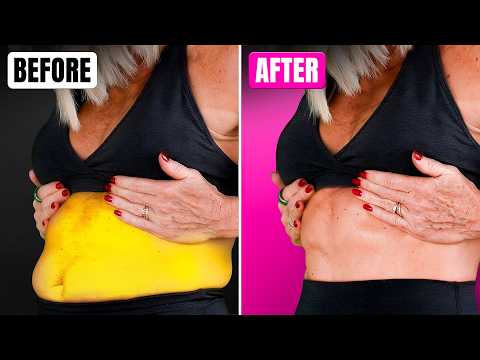
One WarriorBabe coach explains that menopause belly fat is hard to lose because falling estrogen shifts fat storage to your midsection, much of it as visceral fat that drives insulin resistance and more storage. Rising cortisol adds to it, and the usual fix of eating less and doing more cardio raises cortisol further, so the body holds on tighter.
Read the answer →
Menopause & Perimenopause Weight Loss
What is the best exercise for menopause belly fat?
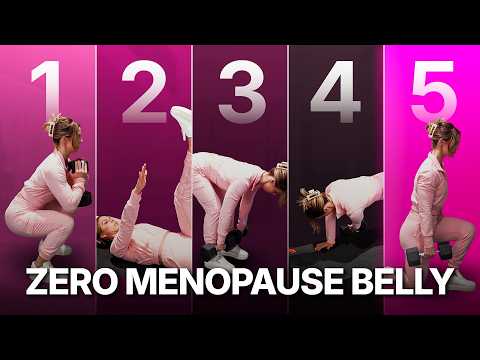
The best exercise for menopause belly fat is progressive strength training, not more cardio or crunches. The show recommends compound moves like squats, deadlifts, presses, hip thrusts and lunges, done two to four times a week and paired with daily walking. You can't spot reduce belly fat. You lose it by building muscle.
Read the answer →

Menopause & Perimenopause Weight Loss
Do I need to do cardio to lose weight in menopause?
No. WarriorBabe's coaches say cardio isn't what drives fat loss in menopause, and leaning on it can backfire. They explain that too much cardio spikes cortisol and burns muscle, especially in a calorie deficit. What they recommend instead is strength training as the foundation, plus enough protein, daily walking and proper recovery.
Read the answer →

Menopause & Perimenopause Weight Loss
How do I lose weight after menopause?
Stop eating less and doing more cardio, and start building muscle while eating enough. Nikkiey Stott explains that after menopause you lose roughly 1% of your muscle a year, so strength training, fueled by enough protein, carbs and fats, is what changes your body. Kelly stalled on 1,200 calories, while Annette and Maggie lost weight eating more.
Read the answer →
Watch or listen in full
More on this topic → 18 min
5 Steps to Remove Visceral Fat After 40
Video · Nov 14, 2026
 13 min
Interval Walking vs 10,000 Steps for Women Over 40
Video · Nov 7, 2026
 9 min
How to Lose Menopause Belly Fat Without Crash Diets
Video · Jul 12, 2025