

From 5 videos
Can eating too little make belly fat worse?
Answered by Nikkiey Stott and her guests · Updated
The short answer
Yes, according to Nikkiey. She says chronic under-eating, often 1,100 to 1,300 calories a day, signals famine to your body. That raises cortisol, slows metabolism and makes your body hold on to belly fat. Her fix is eating enough, with protein at every meal, plus strength training and real recovery.
Hear Nikkiey answer it
Tap play to start right where it's answered. It keeps playing while you browse.
Nikkiey on why 1,200 calories can make menopause belly fat worse, not better
Plays from 6:44 · Video: Foods That Make Menopause Belly Fat Worse and What to Eat
How raising calories to 1,800–2,000 helped clients' waists start shrinking
Plays from 10:45 · Video: How to Get Rid of Love Handles After 40 Without Side Bends
Why slashing calories and piling on cardio spikes cortisol after menopause
Plays from 1:43 · Video: How to Lose Menopause Belly Fat Without Crash Diets
Nikkiey explains why you may need to eat more, especially protein, to lose fat
Plays from 3:51 · Video: How to Lose Menopause Belly Fat Without Crash Diets

Why eating less and moving more can backfire on belly fat after 40
Plays from 2:22 · Video: Why Recovery, Not More Exercise, Unlocks Belly Fat After 40
The full answer
Nikkiey calls this the advice that sounds backwards. When estrogen drops, fat starts shifting toward the midsection. Most women respond by cutting calories and adding cardio. In her view, that stacks stress on a body already under hormonal stress, spikes cortisol and sends it into survival mode. Cortisol, she says, is the fat storage switch for the belly. You can be barely eating and still not see the scale move. If you have been doing everything right and getting worse, it's the plan, not you.
She sees the pattern constantly at WarriorBabe. A woman comes in eating 1,100 to 1,300 calories and training five or six days a week, and her belly or love handles keep growing or won't budge. On the love handles episode, Nikkiey describes raising those clients to 1,800 to 2,000 calories with the right macro breakdown. About three weeks later, their waists start shrinking. Another client, Kathy, stopped starving herself, cut back on cardio and added protein, full-body strength training, daily walks and recovery. Her midsection started leaning out in under eight weeks.
What Nikkiey recommends instead:
- Eat balanced meals consistently through the day, with protein at every meal
- Don't fear carbs, especially around workouts, and include healthy fats
- Track loosely to stay mindful, not obsessive
- Strength train, walk daily, and build in true recovery days rather than adding more cardio
- Prioritize deep sleep, since she says poor sleep keeps cortisol up
This is the show's coaching perspective on cortisol and fat storage, not medical advice. If you have a medical condition or questions about your hormones, work with your doctor as you change how you eat.
From Nikkiey Stott and WarriorBabe's coaching. For education, not medical advice: talk to your doctor about your own health.
Women also ask
More questions →
Menopause & Perimenopause Weight Loss
Why is menopause belly fat so hard to lose?
Nikkiey explains that menopause belly fat is hard to lose because falling estrogen shifts fat storage to your midsection, much of it as visceral fat that drives insulin resistance and more storage. Rising cortisol adds to it, and the usual fix of eating less and doing more cardio raises cortisol further, so the body holds on tighter.
Read the answer →
Menopause & Perimenopause Weight Loss
Do I need to do cardio to lose weight in menopause?
No. Nikkiey says cardio isn't what drives fat loss in menopause, and leaning on it can backfire. She explains that too much cardio spikes cortisol and burns muscle, especially in a calorie deficit. What she recommends instead is strength training as the foundation, plus enough protein, daily walking and proper recovery.
Read the answer →
Menopause & Perimenopause Weight Loss
Why does eating less backfire during menopause?
Nikkiey explains that eating less during menopause costs you muscle, and with fewer estrogen receptors your body already struggles to hold on to it. Less muscle means a lower metabolic rate. Restriction also leaves you stuck, with nothing left but cutting further, which she says isn't sustainable. Her fix is eating more, especially protein, plus strength training.
Read the answer →
Watch or listen in full
More on this topic →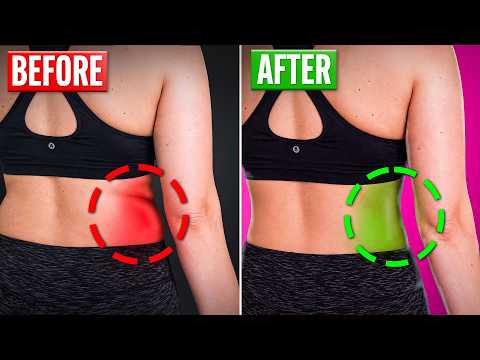 24 min
How to Get Rid of Love Handles After 40 Without Side Bends
Video · Sep 18, 2026
 9 min
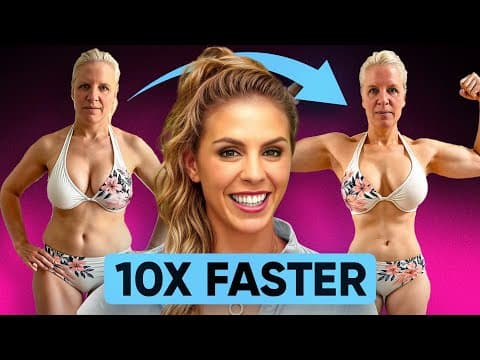
How to Lose Menopause Belly Fat Without Crash Diets
Video · Jul 12, 2025
 21 min
Foods That Make Menopause Belly Fat Worse and What to Eat
Video · Aug 23, 2026