

The short answer
Yes, Nikkiey is for lifting straps. She sees them as a help, not a crutch, because they let you lift heavier while keeping good form. The trade-off is that they don't build forearm strength, so she suggests doing your first set without them and strapping up once your grip fatigues.
Hear Nikkiey answer it
Tap play to start right where it's answered. It keeps playing while you browse.
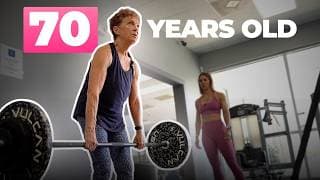
Nikkiey on why she's for straps and the forearm-strength trade-off
Plays from 6:18 · Video: Strength Training at 70 With Knee Replacements and Scoliosis
When to go strapless and when to strap up during your sets
Plays from 6:44 · Video: Strength Training at 70 With Knee Replacements and Scoliosis
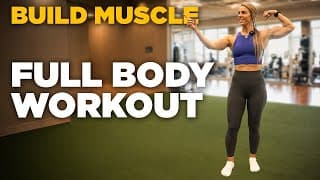
Nikkiey on straps and belts as a help, not a crutch, and the ones she uses
Plays from 14:14 · Video: Full Body Gym Workout: Deadlifts, Hip Thrusts and Squats
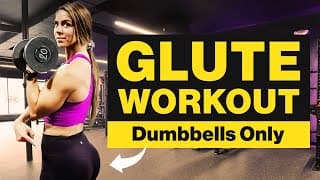
Why she highly encourages straps for Bulgarian split squats
Plays from 2:08 · Video: Dumbbell Only Glute Workout at Home or Gym: 5 Exercises
Her grip gave out on RDLs before her legs did without straps
Plays from 5:34 · Video: Dumbbell Only Glute Workout at Home or Gym: 5 Exercises
The full answer
Nikkiey's view is simple: if your grip gives out before the muscle you're trying to train, your grip is limiting the workout. Straps or hooks fix that. She admits some people see them as a crutch, but she calls them a clutch, something that helps. In her own deadlift workout she wears a belt to support her back and Versa Gripps straps for her grip on the heavy working sets.
The one downside she names is that straps don't help build your forearm strength. Her middle ground, from a session with a 70-year-old client:
- Do your first set without straps, since you probably won't fatigue out yet.
- On your second and third sets, when your forearms feel weaker and your form starts to slip, put them on.
- Or push through the grip fatigue for as many reps as you can, then quickly strap up.
She highly encourages straps on dumbbell Bulgarian split squats and dumbbell RDLs in particular. On a day she forgot hers, her grip gave out on the RDLs before her legs did, and she says she could have done far more reps with straps. That's the point: they let you keep good form while handling heavier weights, so your legs and glutes do the work.
One nuance from the same client session: heavier is not the goal by itself. Nikkiey's order of priority is form, then connection to the muscle, then weight. If you're not feeling the target muscle, she says drop the weight. Straps help you load the muscle, but they don't replace good technique.
From Nikkiey Stott and WarriorBabe's coaching. For education, not medical advice: talk to your doctor about your own health.
Women also ask
More questions →
Strength Training for Women
Are full body workouts better than body part splits for women over 40?
For most women over 40, Nikkiey Stott recommends full body workouts over body part splits. One exercise per muscle group, four to five days a week, spreads the work out so you recover between sessions and stay consistent. She's clear that bro splits aren't bad, though. Progressive overload is what matters most.
Read the answer →

Strength Training for Women
How long should I rest between sets to build muscle?
Nikkiey's starting point is 60 to 90 seconds between sets for compound lifts like squats, deadlifts and presses, and about 45 to 60 seconds for isolation moves like curls. On heavier compound work she'll go up to two minutes. Above all, time it, because four or five minutes of scrolling breaks up the training effect.
Read the answer →
Strength Training for Women
Is good form more important than lifting heavier?
Yes. Nikkiey's order is form first, then connection to the muscle, then weight. If you can't feel the target muscle working, adding weight doesn't make it stronger; other muscles take over and your joints pay for it. Drop the weight until you feel the right muscle, then build from there.
Read the answer →
Watch or listen in full
More on this topic →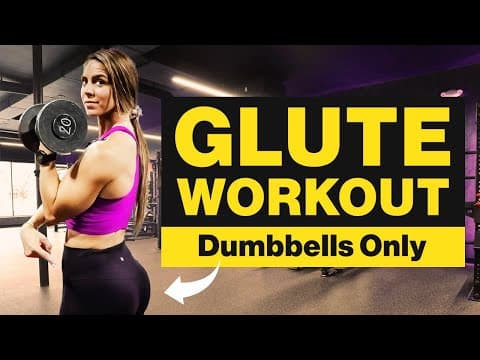 8 min
Dumbbell Only Glute Workout at Home or Gym: 5 Exercises
Video · Oct 15, 2023
 40 min
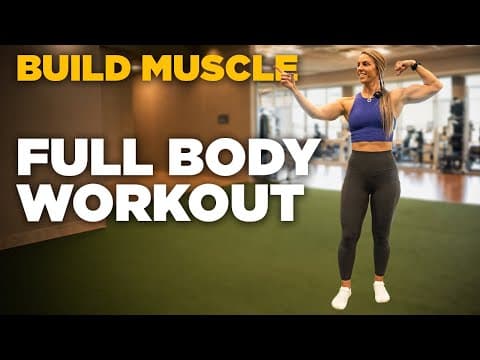
Full Body Gym Workout: Deadlifts, Hip Thrusts and Squats
Video · Jan 15, 2024
 25 min
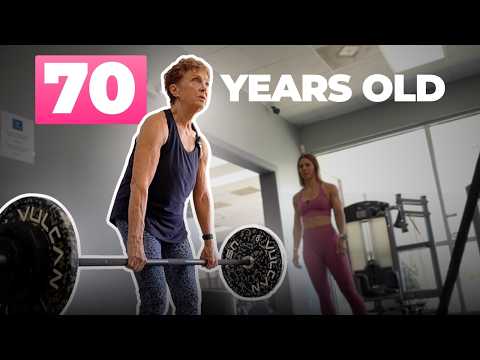
Strength Training at 70 With Knee Replacements and Scoliosis
Video · Oct 21, 2026