

From 2 videos
Should I weigh meat raw or cooked when tracking macros?
Answered by Nikkiey Stott and her guests · Updated
The short answer
On The WarriorBabe Show, Nikkiey weighs her meat after it's cooked. She cooks the chicken, puts it on a food scale in ounces, then logs that exact weight in MyFitnessPal. The point is to log exactly what you're eating instead of guessing. The episodes don't compare raw and cooked weights directly.
Hear Nikkiey answer it
Tap play to start right where it's answered. It keeps playing while you browse.

Nikkiey cooks the chicken, then weighs it in ounces and logs the exact amount
Plays from 1:44 · Video: Quick High-Protein Dinners to Hit Your Macros After 40
How she weighs shredded chicken in ounces to land a 40-gram protein target
Plays from 4:56 · Video: Quick High-Protein Dinners to Hit Your Macros After 40

The one-gram serving trick for logging packaged foods accurately in MyFitnessPal
Plays from 2:40 · Video: 5-Minute High-Protein Breakfasts and Their Macros
The full answer
Nikkiey's own routine is consistent across her dinner videos. When she preps a meal, protein goes on the plate first. She cooks the chicken, weighs it, and builds the rest of the meal around it. She weighs meat in ounces because, as she puts it, ounces are more precise for meat. Then she either scans the package barcode or searches the MyFitnessPal database, sets the serving size to ounces, and enters the number she sees on the scale.
She uses the same approach to hit a protein target. For a shredded chicken taco bowl, she weighs the chicken in ounces until it lands around the amount that gives her about 40 grams of protein. She adjusts a little if needed, then logs that exact number. She weighs her salmon on the scale in ounces too, so the macros calculate precisely.
For packaged foods like yogurt or cottage cheese, she uses a different method. Scan the barcode, change the serving size to one gram, and enter the grams you ate as the number of servings. For example, 200 grams of yogurt is 200 servings. Her takeaway is that the scale and exact entries are what make tracking accurate, not eyeballing.
One honest note: these episodes show Nikkiey weighing cooked meat, but they don't explain how raw and cooked weights differ or which database entry to choose for each. If your numbers ever seem off, that's a gap in the method, not a failure on your part. Weighing and logging the exact amount, the way she does, removes most of the guesswork.
From Nikkiey Stott and WarriorBabe's coaching. For education, not medical advice: talk to your doctor about your own health.
Women also ask
More questions →
Macros & Macro Tracking
Can I just copy someone else's macros or meal plan?
No. Nikkiey explains that another woman's macros or meal plan were built for her metabolism, muscle mass, hormones, activity level, stress, sleep and history, not yours. You need your own numbers, based on your age, weight, muscle mass, activity level and goals, and those numbers should be adjusted as your body changes.
Read the answer →

Macros & Macro Tracking
Do I have to track macros forever?
No. Nikkiey is clear that you don't have to track macros for the rest of your life. Tracking and weighing your food is a temporary, educational phase that teaches you what real portions of protein, carbs and fat look like. Do it consistently for a couple of years and it becomes second nature.
Read the answer →
Macros & Macro Tracking
How do I make tracking macros less overwhelming?
Make the job smaller at first. The women on the show who stuck with it started small: tracking only protein, planning one day and repeating it, or picking a few meals from a sample plan. Nikkiey says week one might take half an hour a day, but by week three or four it takes five to ten minutes.
Read the answer →
Watch or listen in full
More on this topic →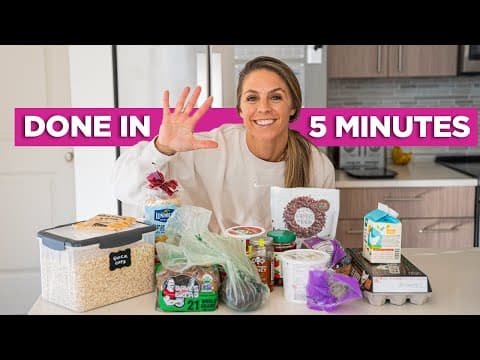 18 min
5-Minute High-Protein Breakfasts and Their Macros
Video · Mar 24, 2024
 11 min
Quick High-Protein Dinners to Hit Your Macros After 40
Video · Mar 28, 2026