

From 3 videos
How much sleep do I need to lose weight after menopause?
Answered by Maggie Topham and WarriorBabe's coaches · Updated
The short answer
Aim for seven to eight hours a night, at a consistent bedtime. That's the target both Maggie Topham and another WarriorBabe coach set for women after menopause. Short sleep raises cortisol, disrupts hunger hormones and slows recovery, so even a well-built plan can stall. Sleep isn't optional; it's when your body does the fat-loss work.
Hear it answered
Tap play to start right where it's answered. It keeps playing while you browse.

Maggie on what changed when she made seven to eight hours non-negotiable
Plays from 9:17 · Video: 7 Simple Daily Habits for Losing Fat After Menopause
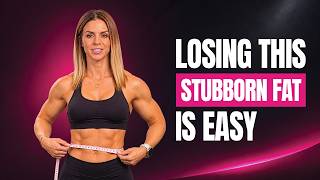
Why five to six hours of sleep keeps visceral fat around, and the 7-8 hour target
Plays from 11:00 · Video: 5 Steps to Remove Visceral Fat After 40

Same calorie deficit, less sleep, over 50% less fat lost
Plays from 11:22 · Video: 5 Fat Loss Fixes for Women Over 40: Protein, Steps, Sleep
Practical ways to sleep better during menopause
Plays from 11:33 · Video: 5 Steps to Remove Visceral Fat After 40
The full answer
Maggie Topham calls sleep the habit that made every other habit work. She used to get four to five hours because she was up before dawn to run, and she wore it like a badge of honor. When she made seven to eight hours non-negotiable, going to bed at the same time every night, she says her inflammation started dropping, her mood lifted, and her body finally responded to her training. Her point: you can eat and train perfectly, but if your sleep is broken, your body can't use the work you put in.
One WarriorBabe coach explains why. Muscle repair and growth hormone release happen mainly in deep sleep, and cortisol is supposed to drop to its lowest point overnight. On five to six hours, she says, growth hormone is cut, cortisol stays elevated, and insulin sensitivity worsens the next day. She cites studies where people sleeping under six hours gained more visceral fat over five years than those sleeping seven to eight, on the same diet and activity. On another episode, a coach describes two groups on the same calorie deficit where the group with shortened sleep lost over 50% less fat. Lack of sleep pushes ghrelin up and leptin down, so you crave more high-calorie, high-sugar food. That's a hormonal response, not a willpower problem.
The coaches acknowledge that sleep gets harder after menopause, with hot flashes, night sweats and a racing mind. That's the reason to fight for it rather than accept bad sleep as part of aging. Practical steps from the show:
- Keep your bedroom cool
- Cut screens 30 minutes before bed
- Avoid training late at night if you can, since the cortisol spike can keep you wired
- Magnesium before bed is mentioned as one option; check with your doctor before adding any supplement, especially if sleep problems persist
From WarriorBabe's coaches (how we write our answers). For education, not medical advice: talk to your doctor about your own health.
Women also ask
More on Menopause & Perimenopause Weight Loss →
Menopause & Perimenopause Weight Loss
How many steps a day should I walk to lose weight in menopause?
Aim for roughly 6,000 to 8,000 steps a day, plus a 10-minute walk after your biggest meal. WarriorBabe coaches point out that walking's health benefits plateau around 7,500 steps, so chasing 10,000 or more mostly costs you time. Walking supports fat loss in menopause, but strength training is what changes your body.
Read the answer →
Menopause & Perimenopause Weight Loss
Can Pilates and yoga help with menopause symptoms?
Yes, according to physiotherapist Philippa Butler on Ep. 134 of The WarriorBabe Show. She says there isn't one menopause symptom that doesn't respond to movement. Pilates offers mindful, core-focused work that helps manage stress, and yoga adds breathing practices aimed at the nervous system. She sees both as partners to strength training, not replacements for it.
Read the answer →

Menopause & Perimenopause Weight Loss
How can I lower cortisol during menopause?
On The WarriorBabe Show, Nikkiey Stott's answer is to remove the stress signals keeping cortisol high: prioritize deep sleep, build in real recovery days, eat enough consistently, skip fasted lifting, and favor steady-state cardio over HIIT when you're stressed or under-fueled. Talk with your doctor about hormone questions.
Read the answer →

Menopause & Perimenopause Weight Loss
What are the best macros for weight loss during menopause?
WarriorBabe's menopause macros run slightly higher in fat, because the coaches say fat is the one macronutrient that directly supports hormones. One video gives 35% protein, 27% carbs and 38% fat; another gives 40% protein, 30% carbs and 30% fat. Neither is keto. Both keep protein high and keep carbs in the plan.
Read the answer →

Menopause & Perimenopause Weight Loss
What is the best diet for menopause weight loss?
On The WarriorBabe Show, the coaches don't point to a trendy diet. They favor a macro-based approach: high protein (about one gram per pound of body weight), controlled whole-food carbs and healthy fats, rather than slashing carbs or calories. Intermittent fasting can work for some women, but only when it's used strategically.
Read the answer →

Menopause & Perimenopause Weight Loss
How do I lose weight after menopause?
Stop eating less and doing more cardio, and start building muscle while eating enough. Nikkiey Stott explains that after menopause you lose roughly 1% of your muscle a year, so strength training, fueled by enough protein, carbs and fats, is what changes your body. Kelly stalled on 1,200 calories, while Annette and Maggie lost weight eating more.
Read the answer →
Watch or listen in full
More on this topic → 18 min
5 Fat Loss Fixes for Women Over 40: Protein, Steps, Sleep
Video · Sep 26, 2026
 13 min
7 Simple Daily Habits for Losing Fat After Menopause
Video · Oct 24, 2026
 18 min
5 Steps to Remove Visceral Fat After 40
Video · Nov 14, 2026