

The short answer
Yes, according to physiotherapist Philippa Butler on Ep. 134 of The WarriorBabe Show. She says there isn't one menopause symptom that doesn't respond to movement. Pilates offers mindful, core-focused work that helps manage stress, and yoga adds breathing practices aimed at the nervous system. She sees both as partners to strength training, not replacements for it.
Hear it answered
Tap play to start right where it's answered. It keeps playing while you browse.
Philippa on Pilates as a mindful practice that helps women manage stress
Plays from 9:04 · Ep. 134: Do Pilates and Yoga Help With Menopause Symptoms?
Why yoga's breathing practices can work on the nervous system
Plays from 10:27 · Ep. 134: Do Pilates and Yoga Help With Menopause Symptoms?
How to fit Pilates and yoga into a week built around strength training
Plays from 27:26 · Ep. 134: Do Pilates and Yoga Help With Menopause Symptoms?
The full answer
On Ep. 134, Nikkiey talks with Philippa Butler, a physiotherapist and Pilates and yoga teacher with over 30 years of experience. Philippa's view is that movement touches nearly every part of menopause, including muscle, bone, mood, vaginal atrophy and even eye health. That is her perspective as a movement professional. If a symptom is bothering you, keep your doctor in the loop too.
The two practices do different jobs. Philippa describes Pilates as a deeply mindful practice. You are so focused on the mind-body connection that you can't think about anything else, which she says can help women manage stress. Its breathing pattern, in through the nose and out like blowing through a straw, helps power up the core. Yoga, she explains, has a wider range of breathing techniques that can work on the central nervous system in different ways. She also points out that a yoga session is devoted to lengthening muscles, while reformer Pilates is more strenuous because of the spring resistance and usually saves stretching for the end.
Philippa doesn't present either one as a replacement for lifting. If you strength train four days a week, she suggests adding one day of Pilates and one day of yoga. Her own balanced week looks like this:
- One Pilates session
- One yoga session
- Two or three strength sessions
- Some zone 2 cardio for heart health
If you have tried one type of exercise and still felt stuck, the problem may not be you. It may be that the mix was off. Strength work builds the foundation, and Pilates and yoga add stress relief, core work, breathing and mobility.
From WarriorBabe's coaches (how we write our answers). For education, not medical advice: talk to your doctor about your own health.
Women also ask
More on Menopause & Perimenopause Weight Loss →
Menopause & Perimenopause Weight Loss
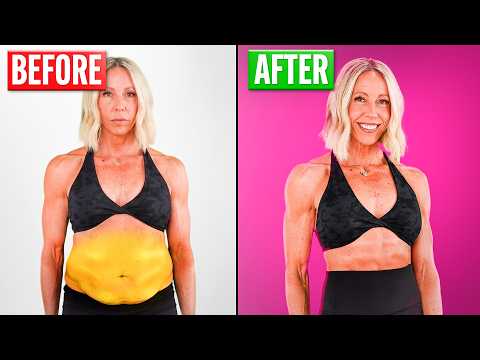
Can walking help me lose belly fat after 50?
Yes, walking can help, but it works best as one part of the plan. On The WarriorBabe Show, one coach explains that walking puts less demand on your body, so it can draw on fat stores. Gentle daily movement also helps lower cortisol. On its own, though, walking won't rebuild the muscle your body needs after menopause.
Read the answer →
Menopause & Perimenopause Weight Loss
Is menopause weight gain connected to mental health?
Yes, according to the WarriorBabe video Losing 60 Pounds in Menopause. The speaker links her mood swings, anxiety, panic attacks and night-time rumination to declining hormones and years of restriction. She calls it a mental and biological toll, and says her mental health improved once she started caring for her body instead of punishing it.
Read the answer →
Menopause & Perimenopause Weight Loss
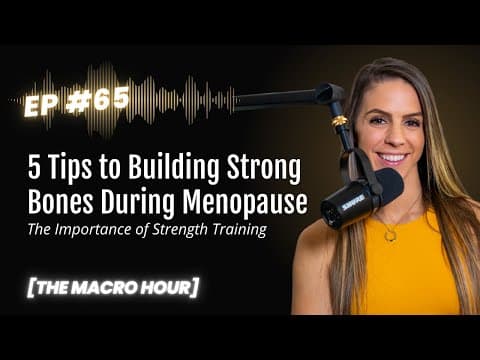
What are the best exercises for bone health during menopause?
Compound strength exercises are best for bone health during menopause, Nikkiey Stott explains on Ep. 65. That means squats, lunges, deadlifts, chest presses and shoulder presses. Walking, jogging and stair climbing also stress the bones, but strength training should make up most of your exercise, ideally with free weights, barbells or resistance bands.
Read the answer →

Menopause & Perimenopause Weight Loss
Why do women gain weight during menopause?
On The WarriorBabe Show, the answer is mostly hormonal, not a willpower problem. As estrogen declines, fat storage shifts from the hips and thighs to the belly and around the organs. Muscle also becomes easier to lose. Guests add that insulin and stress are major drivers, even when your eating and training stay the same.
Read the answer →

Menopause & Perimenopause Weight Loss
Can working out too much stop fat loss after menopause?
It can, according to Nikkiey Stott. She explains that piling on workouts adds stress that raises cortisol, a hormone she says is already naturally higher after menopause and linked to storing visceral belly fat. Her motto for women 50 and up is less is more: fewer training days, real rest, and enough food.
Read the answer →

Menopause & Perimenopause Weight Loss
Do I need to do cardio to lose weight in menopause?
No. WarriorBabe's coaches say cardio isn't what drives fat loss in menopause, and leaning on it can backfire. They explain that too much cardio spikes cortisol and burns muscle, especially in a calorie deficit. What they recommend instead is strength training as the foundation, plus enough protein, daily walking and proper recovery.
Read the answer →
Watch or listen in full
More on this topic →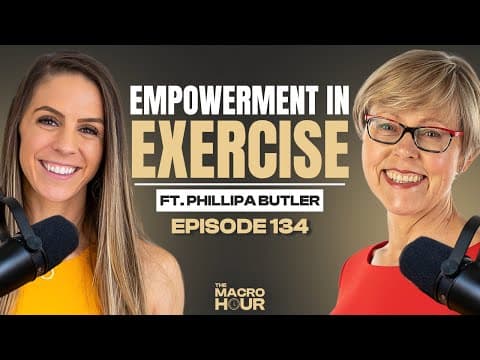 45 min
Do Pilates and Yoga Help With Menopause Symptoms?
With Philippa Butler