

From 1 episode and 2 videos
How long does body recomposition take after 40?
Answered by Nikkiey Stott and WarriorBabe's coaches · Updated
The short answer
One WarriorBabe coach frames body recomposition after 40 as a rebuild of six to 12 to 18 months, not a 30-day challenge. You usually feel changes in weeks one to four, see them in months two to three, and by month six the change is undeniable. Client stories on the show took one and a half to two and a half years.
Hear it answered
Tap play to start right where it's answered. It keeps playing while you browse.
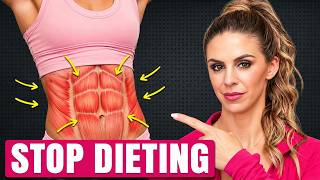
A WarriorBabe coach's week-by-week and month-by-month recomposition timeline after 40
Plays from 16:04 · Video: Body Recomposition After 40: The 4 Steps That Work
Why Cheryl's muscle-building and fat loss results took two and a half years
Plays from 8:51 · Ep. 63: How a 60-Year-Old Woman Built Muscle and Lost Fat

A client over 50 on the year and a half of ups and downs it took
Plays from 17:12 · Video: Why a Fitness Instructor Over 50 Wasn't Seeing Results
When soreness fades and lifting changes start showing in the mirror
Plays from 11:44 · Video: Body Recomposition After 40: The 4 Steps That Work
The full answer
One WarriorBabe coach is blunt about why the timeline matters: if you don't know what to expect, you'll quit during the phase where the most important changes are happening invisibly. Here is how she breaks it down:
- Weeks one to four: more energy, better sleep, clothes fitting slightly differently. The scale probably won't move. She calls this the hardest phase.
- Months two to three: the mirror catches up. Arms, shoulders and midsection start to change, even if the scale has only moved two or three pounds.
- Month six: different clothes, feeling strong in the gym, steady energy, regular compliments.
- Twelve months: full recomposition, with results that stay because they were built with muscle, not starvation.
On the lifting side, she says the first two to four weeks of training heavier usually bring soreness and the urge to go back to light weights. By around week four to six, that soreness fades and changes start showing in the mirror.
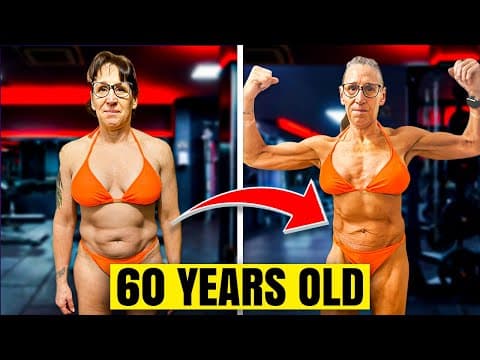
The client stories show that the bigger transformations take longer. On Ep. 63, Nikkiey shares that it took Cheryl two and a half years, two building phases and two fat loss phases, to reach her best results. Three years in, Cheryl weighs about what she started at but looks drastically different, which is why Nikkiey says the scale doesn't tell your full story. In another episode, client DeeDee describes about a year and a half of ups and downs before it came together.
Both clients come back to the same point: patience and consistency. A slow timeline doesn't mean you're failing. It means you're building something that lasts. As DeeDee puts it, a bad day shouldn't turn into two bad days, then fifteen.
From WarriorBabe's coaches (how we write our answers). For education, not medical advice: talk to your doctor about your own health.
Women also ask
More on Building Muscle After 40 →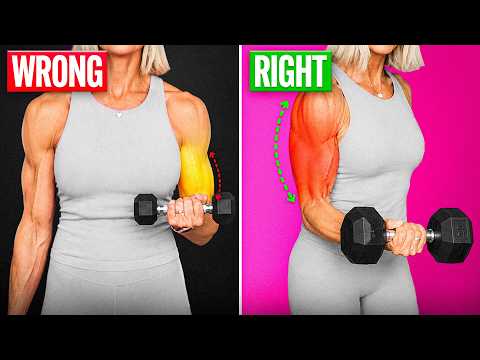
Building Muscle After 40
How many calories should I eat to build muscle after 40?
One WarriorBabe coach says most women over 40 who lift weights three to four days a week need somewhere between 1,700 and 2,200 calories a day, not 1,200 or 1,400. Where you land in that range depends on your body. Eating too little doesn't just burn fat. It breaks down the muscle you're trying to build.
Read the answer →
Building Muscle After 40
Can you build muscle in your 60s?
Yes, you can build muscle in your 60s. On The WarriorBabe Show, Nikkiey shares clients who did it. Cheryl added muscle and lost fat between 57 and 60, Sandra hit 90-pound lunges at 61, and Michelle got stronger at 67. Nikkiey says it took hard work, consistency and patience, with no special circumstances.
Read the answer →
Building Muscle After 40
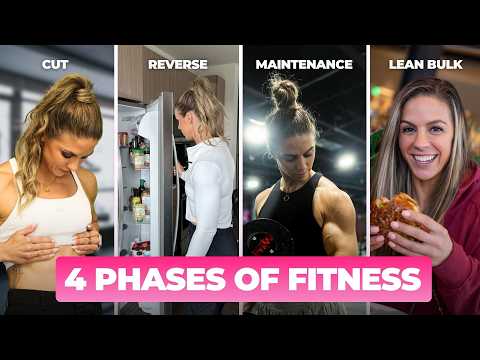
Why does the scale go up during a muscle-building phase?
The scale goes up during a muscle-building phase because you're eating more food, and food has weight. The extra carbs are stored as glycogen, which holds about three to four grams of water per gram. You're also adding muscle, and Nikkiey says a small amount of fat comes with it. That is normal and expected.
Read the answer →

Building Muscle After 40
Do I have to track macros to build muscle?
No. Nikkiey says you don't have to track macros to build muscle, but you do have to eat more protein, because you cannot build what you cannot fuel. Tracking is the more precise tool: on Ep. 5 she explains it beats calorie counting alone because it shows the balance of protein, carbs and fats.
Read the answer →
Building Muscle After 40
How long should a muscle-building phase last?
Nikkiey recommends three to six months for a muscle-building phase. Three months suits women who already carry a decent amount of muscle. If you need to build muscle, plan on six months or more, and she sometimes recommends a full year, because one solid build can change your body composition more than years of cycling between cutting and maintenance.
Read the answer →

Building Muscle After 40
Why is muscle so important for women over 40?
Muscle matters after 40 because it drives your metabolism and protects your long-term health. Nikkiey explains that women lose about 3 to 8 percent of muscle per decade after 30, and less muscle means a slower metabolism. She calls muscle the engine of your metabolism and, borrowing Dr. Gabrielle Lyon's phrase, the organ of longevity.
Read the answer →
Work out yours
All calculators →Watch or listen in full
More on this topic → 28 min
Why a Fitness Instructor Over 50 Wasn't Seeing Results
Video · Jun 7, 2020
 19 min
Body Recomposition After 40: The 4 Steps That Work
Video · Oct 7, 2026
 13 min
How a 60-Year-Old Woman Built Muscle and Lost Fat
Episode 63 · Jun 2, 2023